
Last updated November 15, 2026
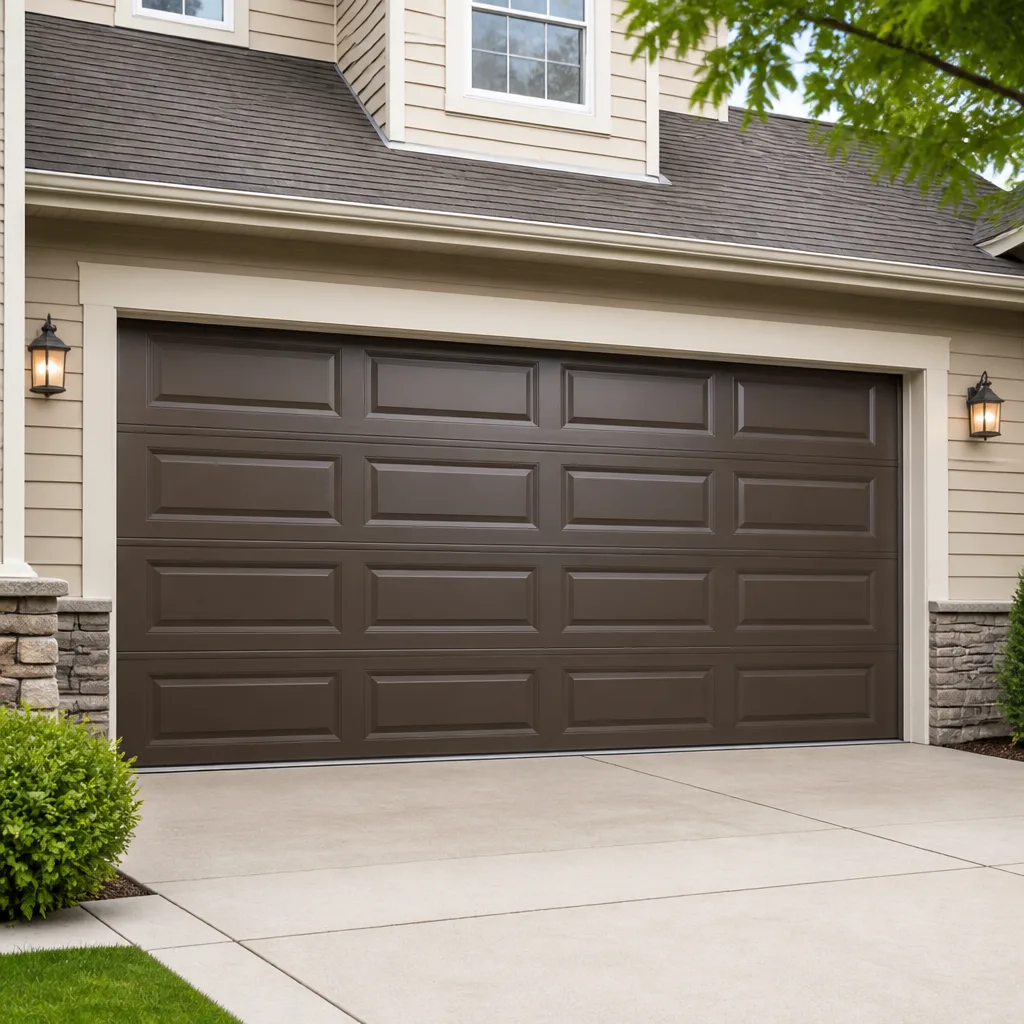 Raised-panel steel
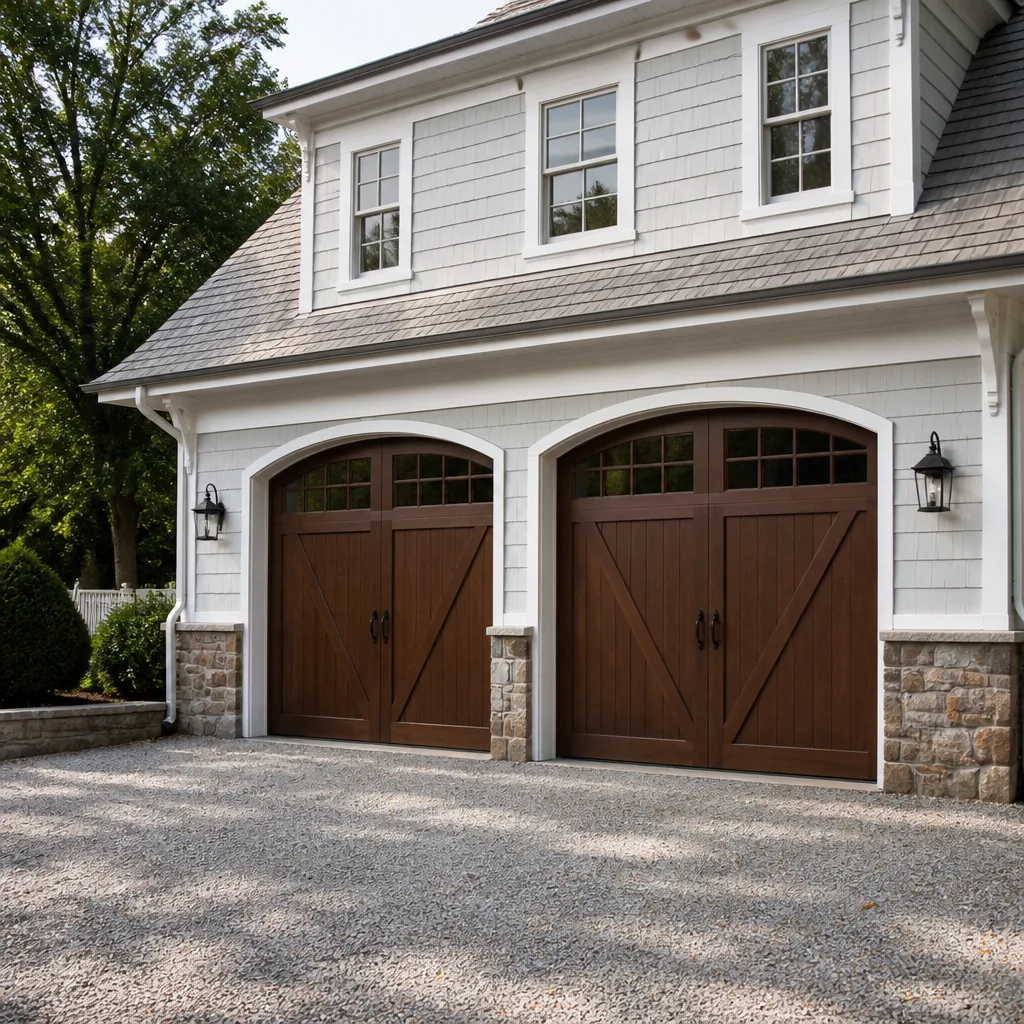 Carriage house
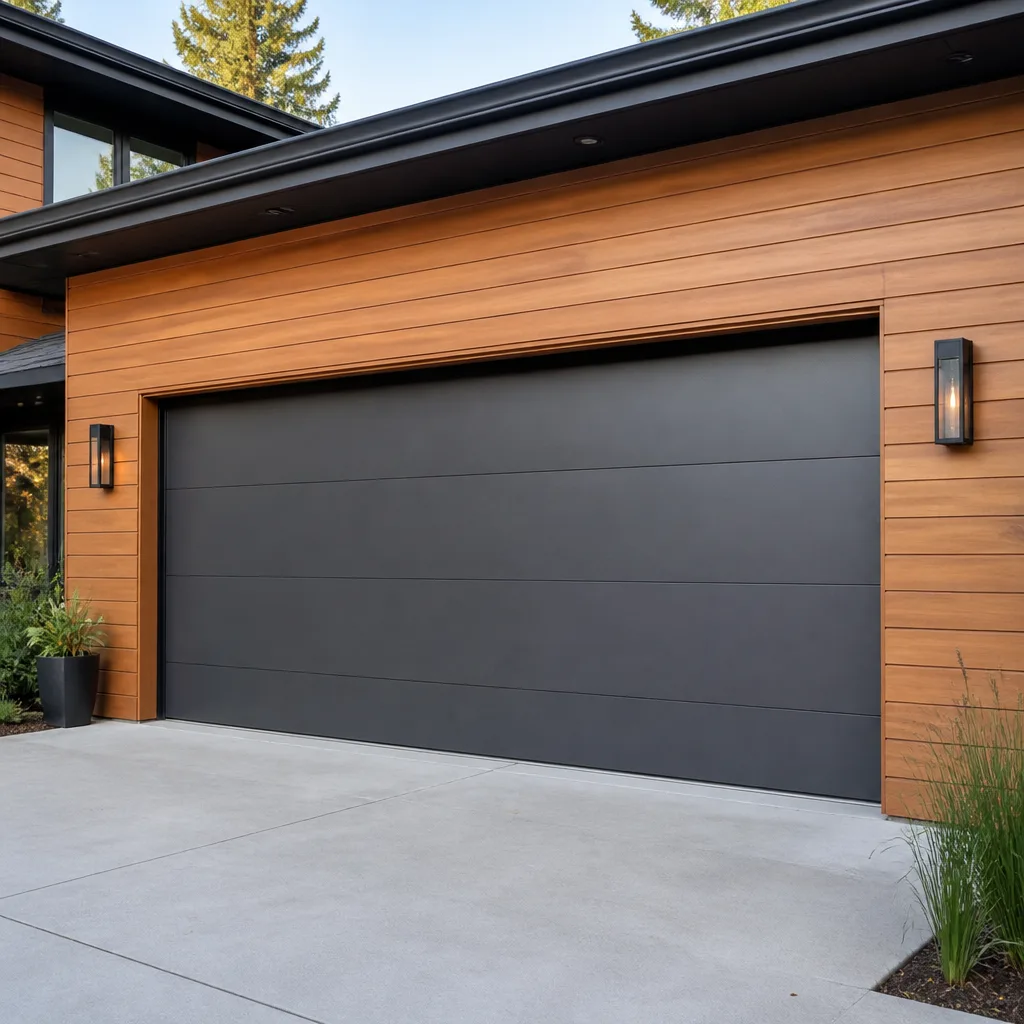 Modern flush
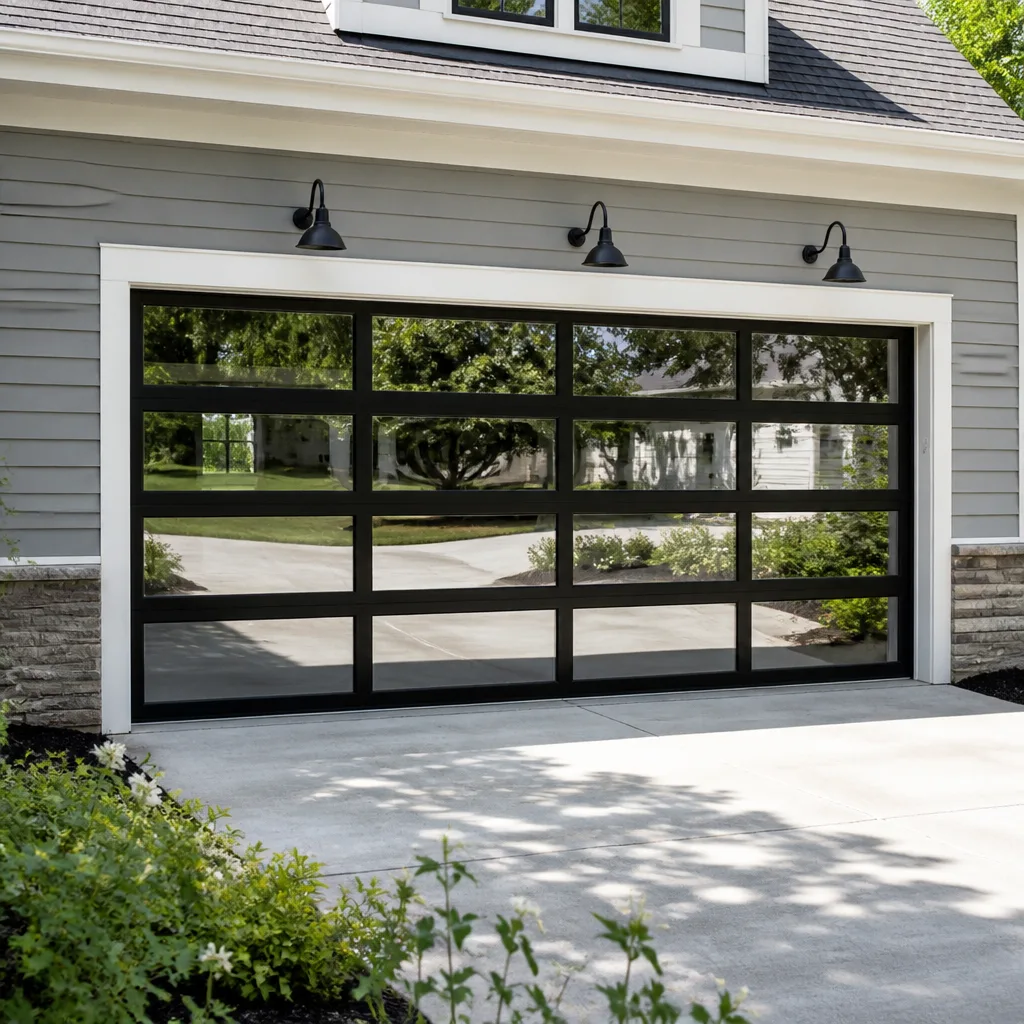 Full-view glass
 LiftMaster openers
 Chamberlain openers
Full 25-point door and opener safety check with every visit - springs, cables, rollers, tracks, and your LiftMaster or Chamberlain opener included
You get a price before we start. It does not change when the pro arrives.
Get your free estimateGarage Door Warning Signs: A Dearborn Homeowner’s Reference Guide
Most warning-sign articles treat every garage door noise like a five-alarm fire. A slightly slow door and a fraying cable get the same “call immediately” label, which trains homeowners to tune out the whole list. That’s the real problem: when everything is urgent, nothing is. This guide sorts warning signs into three honest tiers – monitor it, schedule it soon, stop using the door now – so you know which noises to watch and which ones mean park the car outside. You’ll also learn how dead doors point to either the opener or the door itself, what original hardware in older Dearborn homes tends to do, and why “it still works” doesn’t mean nothing’s wrong. No manufactured urgency. Just what each symptom actually means.
Quick Answer
Garage door warning signs fall into three tiers: cosmetic issues you can monitor (minor squeaks, a slightly noisier track), mechanical problems you should schedule soon (a door that reverses before closing, uneven travel, a slow opener), and stop-now emergencies (a snapped spring, a frayed or hanging cable, a door that won’t stay up). If a spring is broken or a cable is visibly damaged, don’t run the door – that’s the one case where waiting makes the repair worse and the risk higher.
Styles & brands we work with
- Raised-panel steel
- Carriage house
- Modern flush
- Full-view glass
- LiftMaster openers
- Chamberlain openers
Table of Contents
- The Three Tiers of Garage Door Warning Signs
- Reading Spring Fatigue Before the Break
- Is It the Opener or the Door? How to Tell
- The Balance Test and the Hidden-Load Signs
- Warning Signs in Older Dearborn Homes
- How Dearborn Weather Affects Your Hardware
- What “The Door Works Fine” Really Means
- What Garage Door Repairs Cost in Dearborn
The Three Tiers of Garage Door Warning Signs
Every sign you notice belongs in one of three boxes. Sorting a symptom into the right box is the whole skill, and it’s what keeps you from either panicking over nothing or ignoring something serious. Here’s the framework we use when we walk a homeowner through their door.
Tier 1 – Monitor it. These are cosmetic or low-stakes issues. The door still moves normally and nothing sounds or looks structurally wrong.
- A single light squeak at one point in the travel
- Minor vibration you can see but not hear
- A slightly duller finish on the panels
- Weatherstripping that’s starting to flatten at the bottom
None of these need a service call tomorrow. Note them, watch whether they get worse, and address them at your convenience. A squeak that stays a squeak for months is usually just a lubrication or adjustment item.
Tier 2 – Schedule it soon. The door still works, but something has changed and it’s trending the wrong way. These are the signs worth booking a visit for within the next few weeks, before they slide into Tier 3.
- The door reverses before it reaches the floor
- It travels unevenly – one side lags the other
- The opener strains or hesitates at a certain point
- A rattle or grind that appeared recently and hasn’t gone away
- The door drifts back down a few inches after you lift it by hand
Tier 3 – Stop using the door now. These are the situations where running the door can turn a repair into a replacement or put someone in danger. Stop, disconnect the opener if you can do so safely, and call a professional.
- A snapped torsion or extension spring
- A frayed, kinked, or hanging cable
- A door that won’t stay up when lifted partway
- Bent or separated track with the door off its rollers
- A door that comes down hard or free-falls
If you’re unsure which tier a symptom belongs to, describe it over the phone. We’d rather tell you it’s a Tier 1 and save you a visit than have you ignore a Tier 3. That’s the Forthright standard: we tell you what’s wrong before we tell you what it costs.
Reading Spring Fatigue Before the Break
Springs almost never fail without warning. They fatigue over weeks, and the signs show up before the break – if you know what to look for. This matters because a spring failure is loud and dramatic, but the fatigue that causes it is quiet and gradual.
There are two spring types in most Dearborn garages. Torsion springs sit horizontally above the door on a metal shaft. Extension springs run along the sides above the horizontal tracks, usually with a safety cable threaded through them. Both types fatigue the same way.
Visual signatures of torsion spring fatigue:
- A visible gap in the coil winding. A healthy torsion spring is a tight, even coil. When a section opens up or the coils look unevenly spaced, that spring is losing tension.
- Rust bloom along the wire, which weakens the steel over time.
- The door feels heavier than it used to when you lift it by hand.
- The opener has to work noticeably harder – you may hear it strain or see the door lag on the way up.
Extension spring signatures:
- A stretched-out appearance compared to the other spring on the opposite side.
- Gaps between the coils where they used to be tight.
- The safety cable sagging or no longer running straight through the center.
- A door that starts to open unevenly, one side pulling ahead of the other.
Then there’s the sound test. A healthy door is smooth and steady. A door whose spring is fatiguing will start to labor – a slight hesitation at the start of travel, a heavier feel in the middle. If the door used to glide and now it grumbles, suspect the spring.
A safety note that matters: torsion springs and their cables are under extreme tension. Adjusting, winding, or even touching a torsion spring is not a homeowner job – a released spring can cause serious injury. If you see the signs above, don’t try to fix it yourself. Call a trained technician. We work on springs on Clopay, Amarr, Wayne Dalton, and Raynor doors as well as the others, so whatever’s on your Dearborn home, we’ve handled the type before.
Is It the Opener or the Door? How to Tell
When a door won’t move, the first question is whether the problem lives in the opener or in the door itself – because the repair cost and the fix are very different. The good news is there’s a simple test that separates them without tools.
Step 1: Pull the release cord. Every opener has a manual release, usually a red handle hanging from the trolley. Pull it to disconnect the opener from the door. This puts the door in manual mode.
Step 2: Lift the door by hand. A healthy door, disconnected from the opener, should lift easily and stay up when you let go at about halfway. Now you know where the problem is:
- If the door is hard to lift or won’t stay up: The problem is mechanical – springs, cables, or balance. The opener is probably fine. This is the door’s issue, and it’s likely a Tier 2 or Tier 3 sign.
- If the door lifts easily and stays up, but the opener won’t move it: The problem is in the opener – a dead motor, a bad capacitor, a stripped gear, a safety sensor issue, or a remote and logic board problem. This is a garage door opener repair job, not a door repair.
That distinction saves you money. A door that lifts fine but won’t respond to the opener doesn’t need new springs. And a door that’s suddenly too heavy for the opener doesn’t need a new opener – it needs its springs looked at.
One more clue: if the opener runs (you hear the motor) but the door doesn’t move, the carriage or the operator arm may have disconnected, or a gear is stripped. If the opener is completely silent, suspect power, a logic board, or a sensor fault. When you do need opener work, we service Chamberlain and Genie systems along with LiftMaster and Craftsman, so the unit you already own is the unit we’ll diagnose.
The Balance Test and the Hidden-Load Signs
The balance test is how you find the problems that don’t announce themselves. A door can open and close every day and still be carrying a hidden load – an unbalanced door, worn rollers, a weak spring – that stresses the opener until it fails. The test takes two minutes.
How to run the balance test:
- Disconnect the opener using the manual release cord.
- Lift the door by hand to about halfway open.
- Let go and watch. A properly balanced door holds its position with both hands off.
- If it drifts down or slams shut, the springs aren’t carrying the door’s weight.
- If it drifts up, the springs are wound too tight or mismatched.
- Reconnect the opener only after the door is back on the ground and resting evenly.
What the balance test reveals are the hidden-load warning signs – the things that don’t show up as noise or visible damage but quietly wear down your opener, your rollers, and your hinges:
- A door that’s heavier on one side than the other
- Rollers that have flat spots you can feel as the door rolls past them
- Hinges that have loosened or worn oval
- Track that’s out of plumb, so the door rubs on one side
This is what “the door works fine” misses. A door can open and close and still be fighting its own hardware. Left alone, hidden load is what turns a low-cost adjustment into an opener replacement down the road. If you run the balance test and the door doesn’t hold, that’s your cue to book a visit – not an emergency, but sooner rather than later. Repair first is the right instinct here: most unbalanced doors need adjustment, not new parts.
Warning Signs in Older Dearborn Homes
Dearborn has a lot of housing stock that predates modern garage door standards, and older doors throw warning signs that newer ones don’t. If your garage was built decades ago and carries its original hardware, these are the symptoms to watch.
Original hardware signs:
- Brittle or dry rollers. Steel rollers from older doors get dry and wear flat. Nylon replacements exist, but the warning sign is a rumble or chatter as the door travels.
- Seized hinges. Old hinges stop pivoting freely and start to bind, which stresses the panels and the opener.
- Worn extension springs with no safety cable. Older extension-spring doors sometimes lack the safety cables that modern installs include. If a spring breaks without a cable to contain it, it can swing into the garage or the car. That’s a genuine reason to upgrade the hardware even if the door still works.
- Out-of-square openings. When a garage opening has settled out of square over the decades, the door binds against the frame on one side. You’ll see rub marks on the track or the door edge.
Low-headroom configurations are common in older Dearborn garages, and they create their own set of signs. When there’s little space above the door, the torsion spring setup and track layout are tighter. Symptoms to watch for:
- The door contacts the header or the ceiling as it opens.
- The opener is mounted unusually low and strains at the start of travel.
- Track bends or rubs at the transition point.
Low-headroom setups aren’t automatically a problem, but they leave less margin for wear. A door that was adjusted years ago for tight clearance can drift out of adjustment and start scraping. If you notice rub marks or hear a scrape at the top of travel, get it looked at before the track bends. When your older door is ready for replacement rather than more repair, we install Clopay and Amarr doors that fit these tighter spaces – but only after we’ve confirmed a repair won’t do the job.
How Dearborn Weather Affects Your Hardware
Dearborn’s climate is hard on garage door hardware in specific, predictable ways. Cold winters, wide temperature swings, and humid summers all leave their mark, and knowing the seasonal pattern helps you anticipate problems before they catch you off guard.
Winter: Cold makes steel contract and makes lubricants thicken. A door that was smooth in October can turn stiff and noisy by January. The warning sign here is a door that suddenly groans or hesitates at the start of travel on a cold morning. That’s often a lubrication issue, but it can also signal a spring that’s near the end of its life – cold weather is when fatigued springs tend to break.
Spring thaw: As temperatures swing back and forth around freezing, the metal expands and contracts repeatedly. This is when you’re most likely to notice a door that’s suddenly out of adjustment or a track that’s shifted. Moisture from melting snow also finds its way into hinges and rollers, which is why rust bloom shows up in spring.
Summer humidity: Warm, humid air can swell wood door panels and stiffen old hinges. A wood door that suddenly rubs or binds in July is often a humidity issue, not a structural failure. Watch for rub marks on the edges and frame.
What to check each season:
- Run the balance test in spring and fall, when temperatures are shifting most.
- Look at the springs for rust or gaps when the season changes.
- Listen for new noises on the first cold morning and the first warm one.
- Check that the door closes fully and seals against the weatherstripping before winter.
Climate won’t break a healthy door, but it exposes hardware that’s already tired. If a symptom shows up right when the season turns, that’s your clue that something needs attention.
What “The Door Works Fine” Really Means
“The door works fine” usually means the door opens and closes when you push the button. That’s a low bar. It tells you the motor runs and the door moves, but it says nothing about whether the door is balanced, whether the springs are carrying their share of the weight, or whether the hardware is quietly wearing out.
Here’s the distinction: a door that “works fine” can still be in Tier 2. The signs are just hidden from the button test.
- Balance: The door may open and close but drift down when you let go halfway. The opener is doing the springs’ job. It works – until it doesn’t.
- Strain: The motor may run smoothly but be working harder than it should because a roller is flat-spotted or a hinge is binding.
- Speed drift: The door may be opening more slowly than it used to. Gradual slowdown is easy to miss because you adjust to it without noticing.
- Safety reversal: The door may close, but does it reverse when it meets an obstruction? That’s a function you should test monthly, and many “working fine” doors fail it.
So the real question isn’t “does it work?” It’s “is it working the way it was designed to?” The balance test answers that. If you haven’t run one in a while, run it this week. If the door doesn’t hold its position, it’s worth a visit – before the opener pays the price. And if you’re not sure how to read what you find, that’s what we’re here for. Forthright means we diagnose it straight and quote it before we touch it.
What Garage Door Repairs Cost in Dearborn
What a repair costs depends entirely on which tier the problem is in and which part failed. We won’t quote a number sight unseen, but here’s the shape of typical jobs so you know what to expect. Every price is quoted and agreed before any work starts – the written estimate sets the final price.
| Repair | Typical Range | Notes |
|---|---|---|
| Single torsion spring replacement | $180-$340 | Per spring; a matched pair is usually replaced together and costs about twice this |
| Cable replacement | $150-$290 | Often paired with a spring job |
| Roller or hinge replacement | $120-$260 | More with multiple worn parts |
| Track adjustment | $100-$200 | Straightening or realignment |
| Opener repair | $150-$350 | Gear, capacitor, sensor, or board work |
| Opener replacement | $350-$700 | Includes unit and install; varies by model |
| Full door replacement | $1,200-$2,800 | Varies by size, material, and insulation |
These are estimates, not quotes. A written estimate after an on-site look is the number that matters. The most common surprise in garage door pricing isn’t the part cost – it’s discovering the job needs more than expected once we’re in it. We tell you before we start, not at the invoice. If a repair can save a door, we’ll recommend the repair. Replacement is the last option, not the first.
If you’re trying to figure out whether you’re looking at a spring, a cable, an opener, or a balance issue, call (833) 454-5390. We answer 24/7. Fast dispatch from 7am to 7pm, Sunday through Friday. Estimates are free.
Common Mistakes to Avoid
- Treating every squeak as an emergency. Not every noise is a Tier 3. Overreacting to Tier 1 signs trains you to ignore the real ones. Sort the symptom into the right box before you call.
- Ignoring a door that reverses before closing. A reversing door is a Tier 2 sign that most homeowners dismiss because the door still “works.” It’s a sign of an obstruction, a sensor fault, or a balance problem that will worsen.
- Lubricating a torsion spring or cable. Torsion springs and cables are under extreme tension, and adding lubricant to the wrong part can mask a fatigue sign or encourage slipping. Keep lubricant to the rollers, hinges, and the opener rail.
- Force-closing a door that won’t stay up. Propping or forcing an unbalanced door back up stresses the opener and the panels. If it won’t stay up, stop and call.
- Assuming a dead door needs a new opener. Run the release-cord test first. A door that’s too heavy for the opener needs spring work, not a new motor – very different cost.
- Waiting for the spring to break before replacing it. Fatigue shows up weeks before the break. Replacing it during Tier 2 costs less and avoids the risk of a broken spring putting a door down unexpectedly.
- Hiring a generalist for a garage-door-specific problem. Low-headroom track work, torsion springs, and opener logic faults are trade-specific. A handyman who does doors “sometimes” can turn a small job into a bigger one.
See the difference
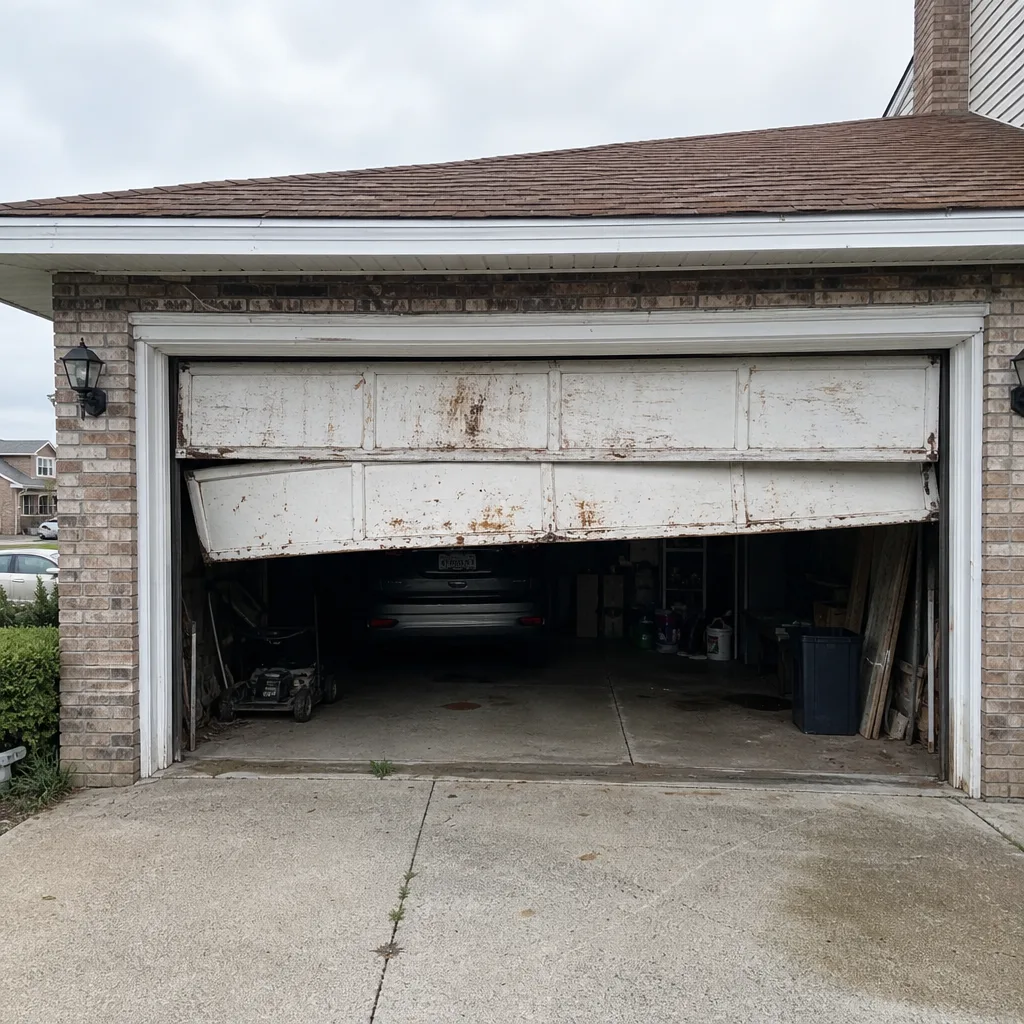 Before
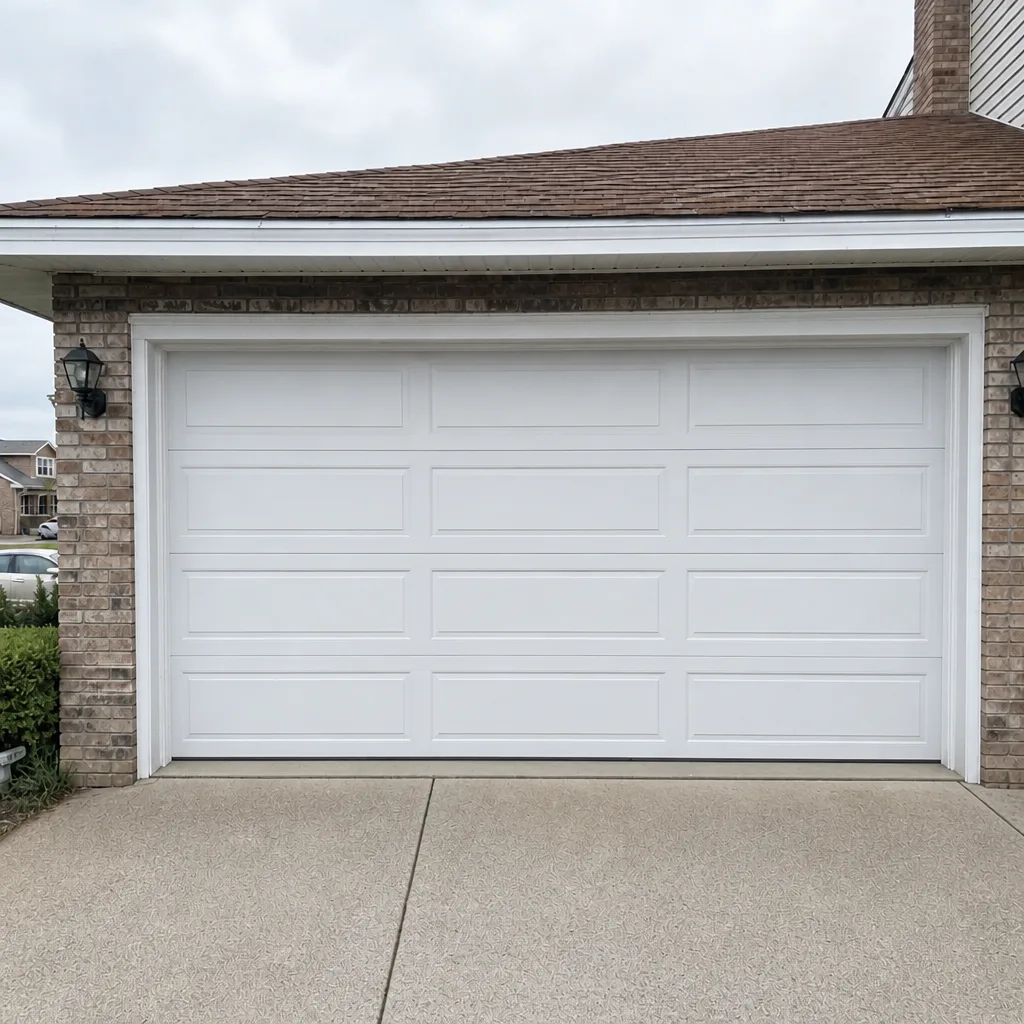 After
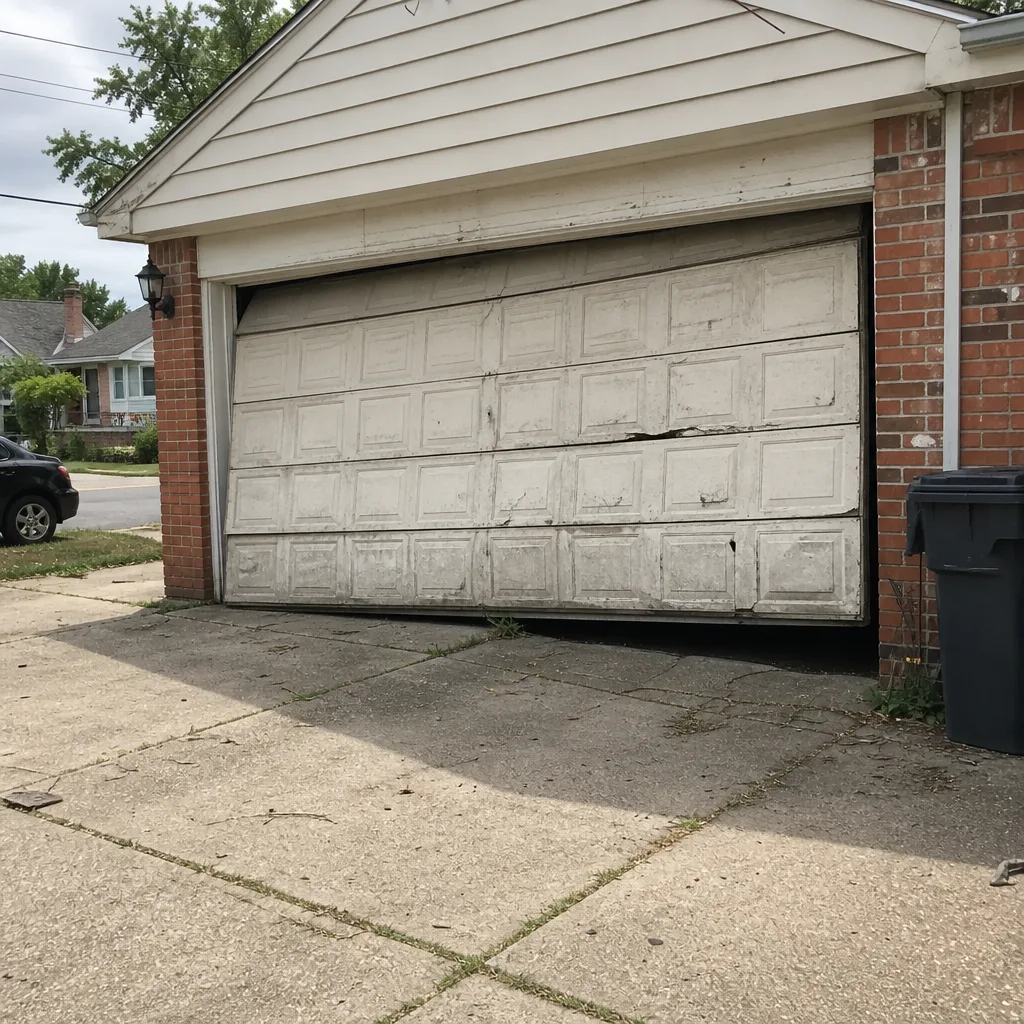 Before
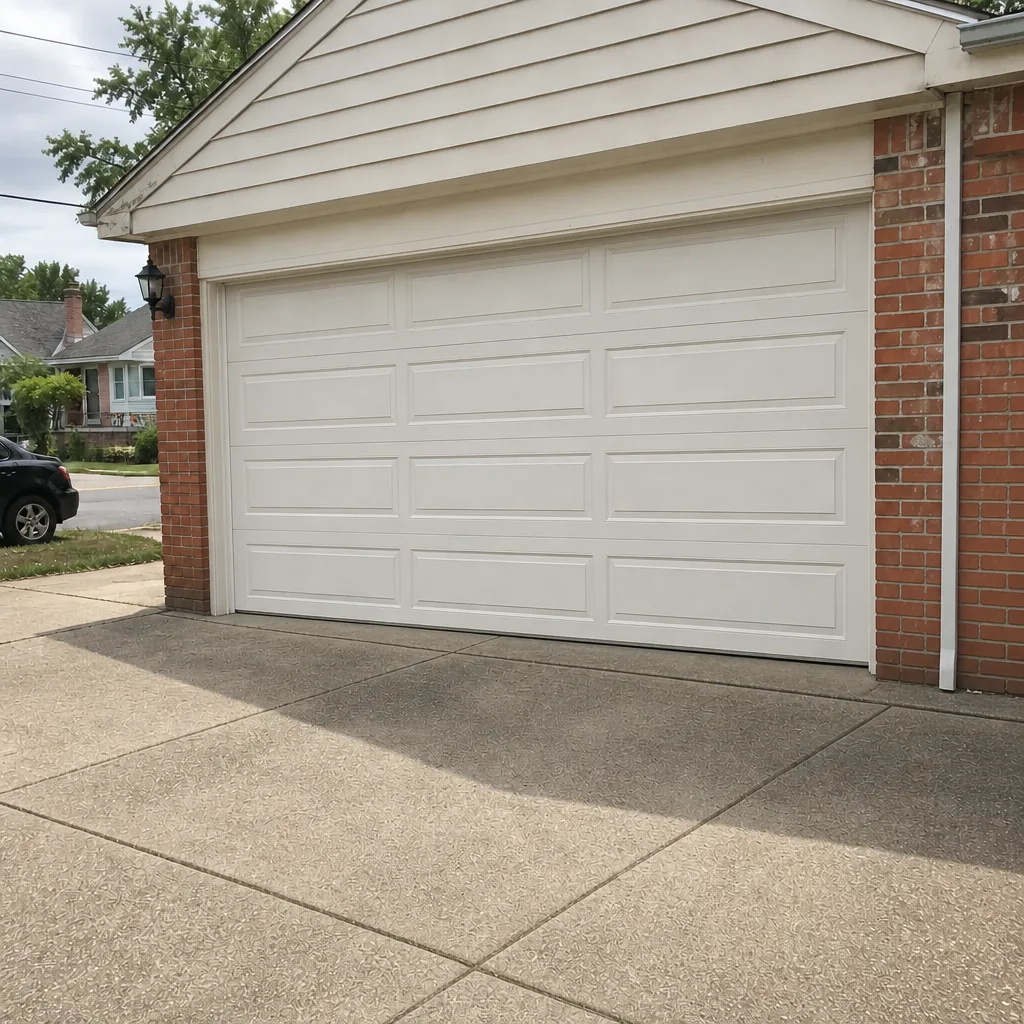 After
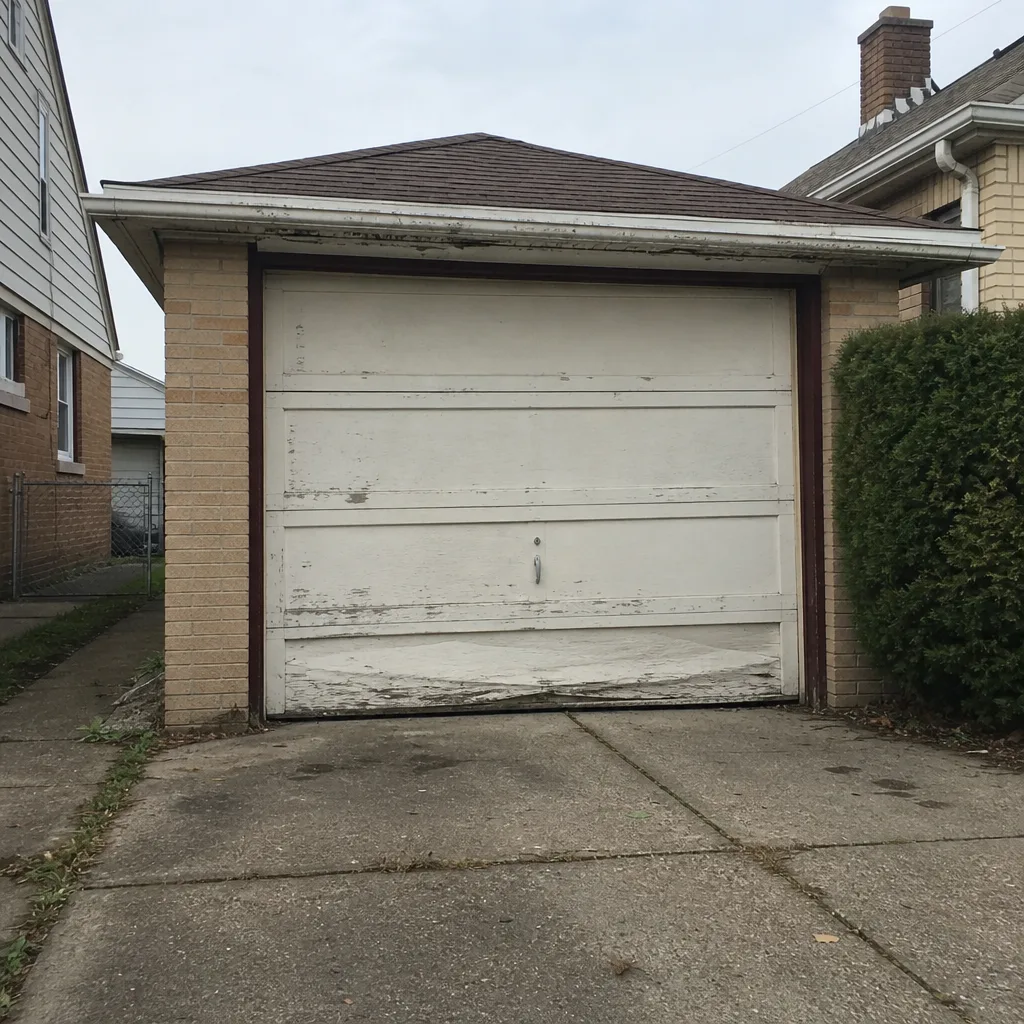 Before
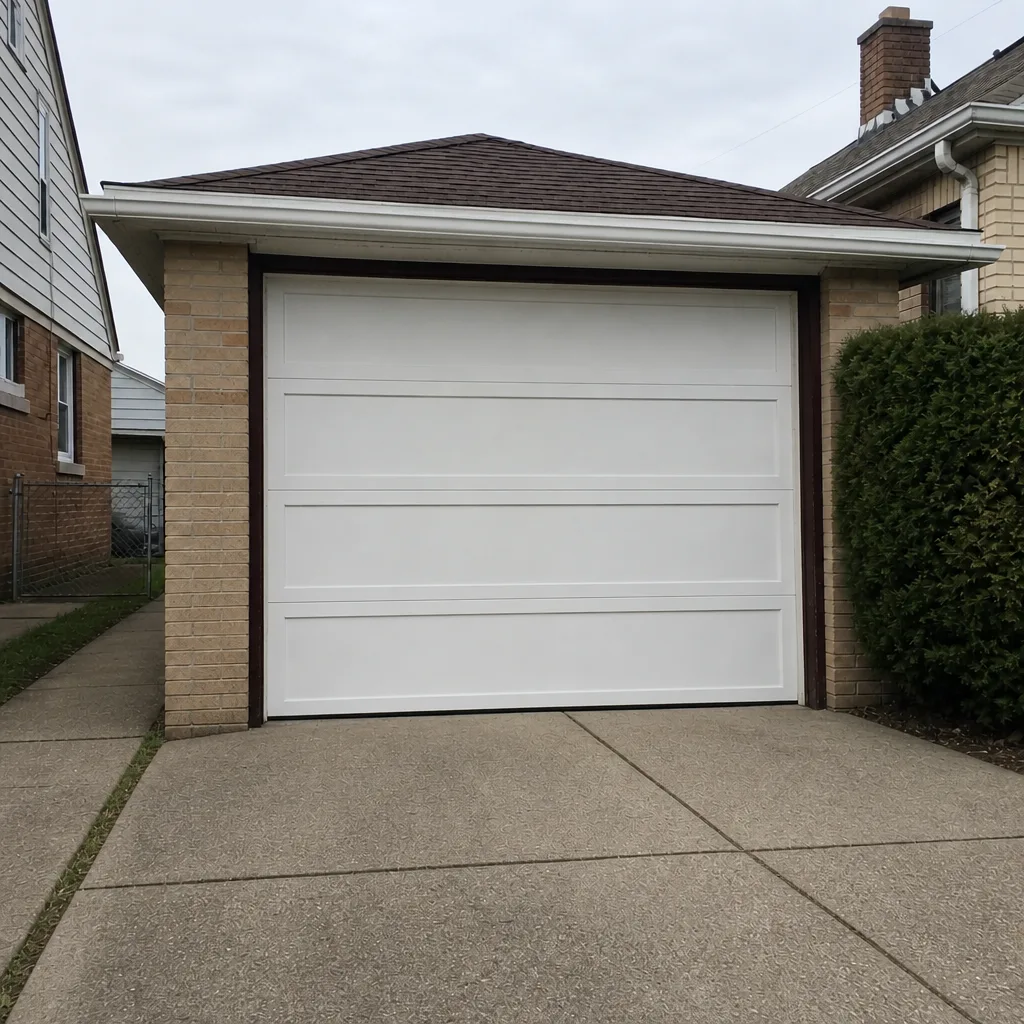 After
When to Call a Professional
Call a professional the moment a symptom hits Tier 3 – a snapped spring, a frayed or hanging cable, a door that won’t stay up, or bent track with the door off its rollers. Those aren’t watch-and-wait signs, and running the door can make things worse or put someone in danger. For Tier 2 signs – a door that reverses, travels unevenly, or labors at a point – book a visit within a few weeks rather than waiting for a failure. And for Tier 1 squeaks and cosmetic issues, monitor them and address them when they start to grow.
If you’re not sure which tier you’re looking at, describe the symptom over the phone. Forthright Garage Door Repair offers free estimates in Dearborn – call (833) 454-5390. We answer 24/7. Fast dispatch from 7am to 7pm, Sunday through Friday.
Frequently Asked Questions
A broken spring, a frayed or hanging cable, a door that won’t stay up, and bent track are the four signs that mean stop using the door now. These aren’t watch-and-wait issues – each one can put someone in danger or turn a repair into a replacement. If you see any of them, disconnect the opener if you can do so safely and call a professional.
Pull the manual release cord, then lift the door by hand. If it’s hard to lift or won’t stay up, the door hardware is the problem. If it lifts easily but the opener won’t move it, the failure is in the opener. That simple test saves you from buying the wrong repair. Call (833) 454-5390 and we’ll help you sort it out.
Springs last through a set number of open and close cycles, and Dearborn’s cold winters accelerate fatigue. Watch for gaps in the coil winding, rust, a heavier door, or a door that suddenly groans on cold mornings. When you see those signs, replace the spring before it breaks – it’s cheaper and safer than waiting for the failure.
No. Torsion springs and cables operate under extreme tension, and a released spring can cause serious injury. Winding, adjusting, or removing a torsion spring is a job for a trained technician with the right tools. Call a professional – spring repair in Dearborn typically runs $180-$340 per spring, and that’s a small price next to the risk.
A reversing door usually means the safety sensor is obstructed or misaligned, or the door is out of balance. Either way, it’s a Tier 2 sign that should be looked at within a few weeks. Don’t force it closed – call (833) 454-5390 for an estimate and we’ll diagnose it.
Yes. Older Dearborn garages often have original hardware – dry rollers, seized hinges, and sometimes extension springs without safety cables. Low-headroom track configurations are also common, and they add a few specific signs like scraping at the top of travel. If your garage carries its original hardware, a balance test and a spring inspection are worth doing now.
The Bottom Line
Warning signs only help if you can sort them. Split them into three tiers: cosmetic issues you can monitor, mechanical problems to schedule soon, and stop-now signs like a snapped spring or frayed cable. Run the balance test twice a year, especially around Dearborn’s temperature swings. Distinguish opener faults from door faults with the release-cord test before you spend a dime. And remember that “the door works fine” is a low bar – it doesn’t mean the door is balanced or safe. Read the signs, sort them honestly, and call when they cross the line. For a free estimate in Dearborn, call (833) 454-5390. We answer 24/7. Fast dispatch from 7am to 7pm, Sunday through Friday.
Written by the team at Forthright Garage Door Repair.