
Last updated November 15, 2026
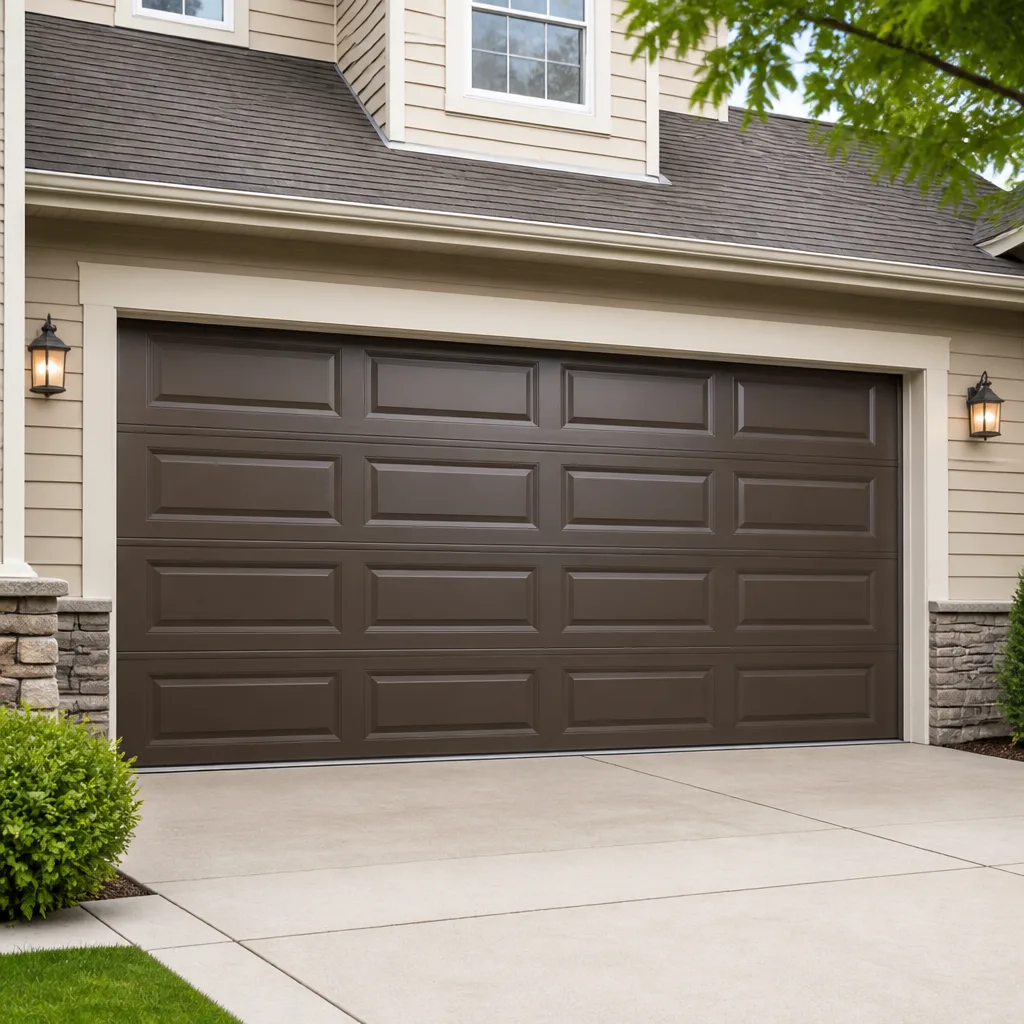 Raised-panel steel
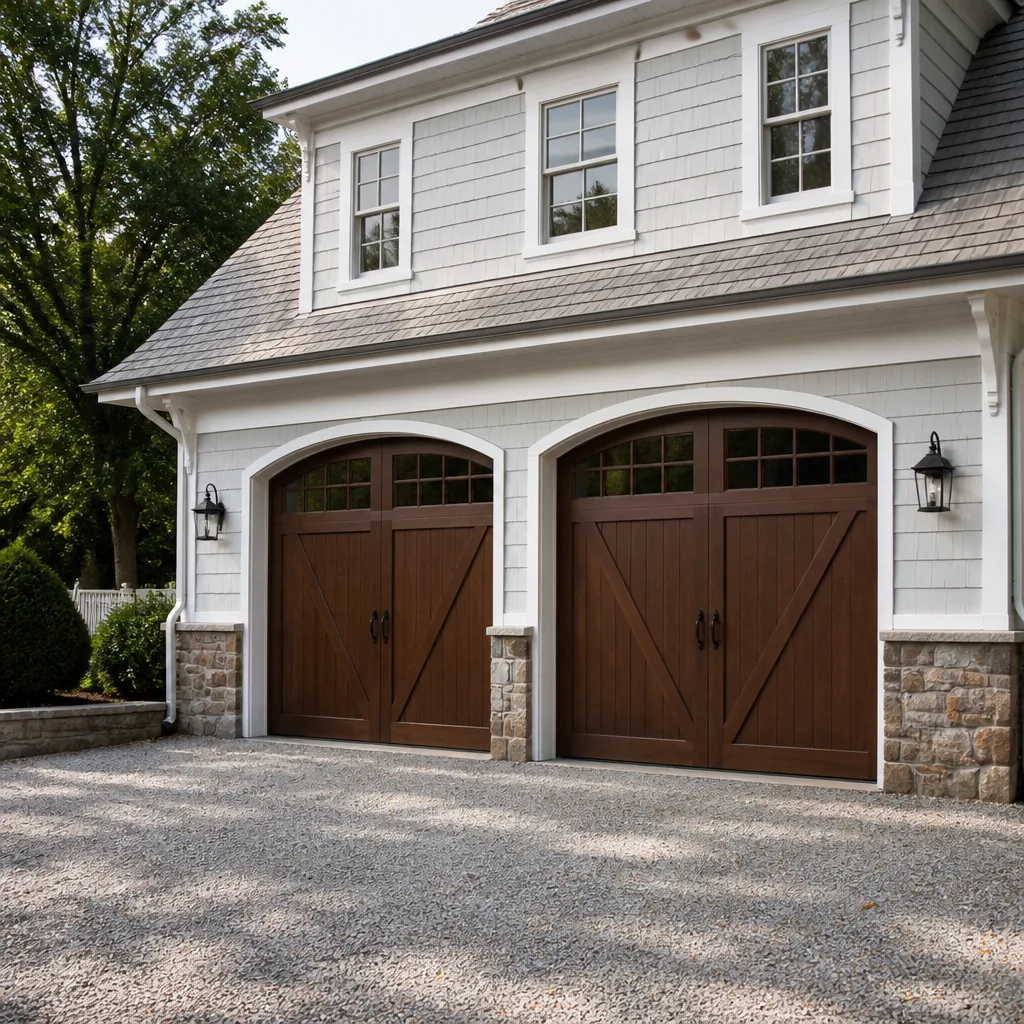 Carriage house
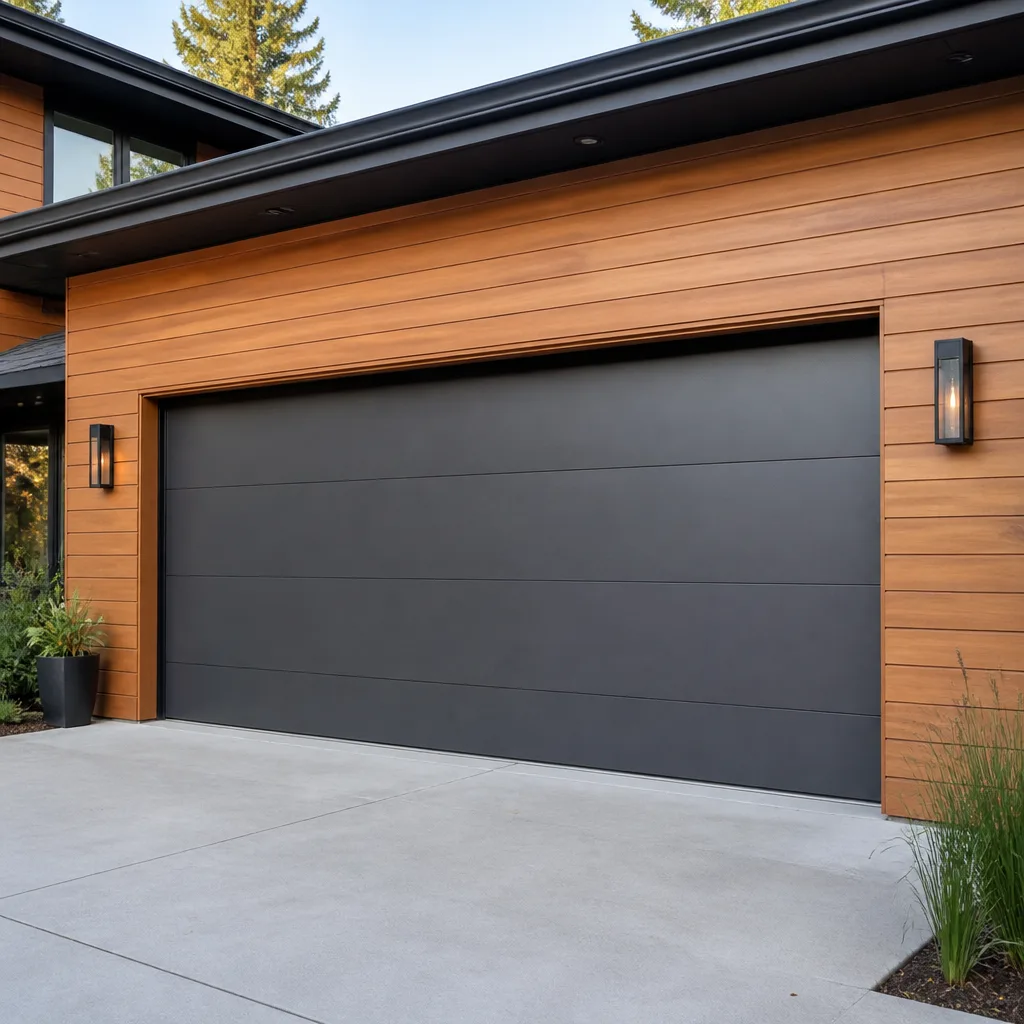 Modern flush
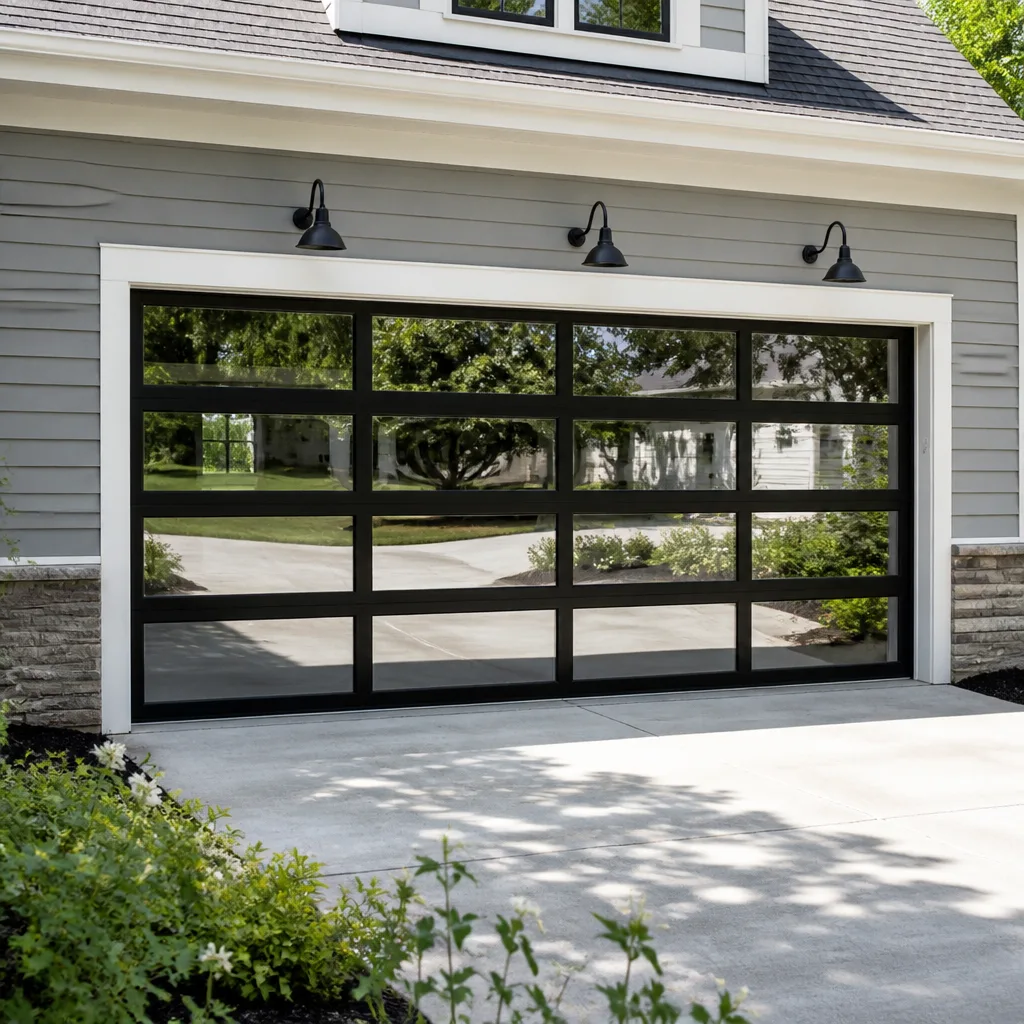 Full-view glass
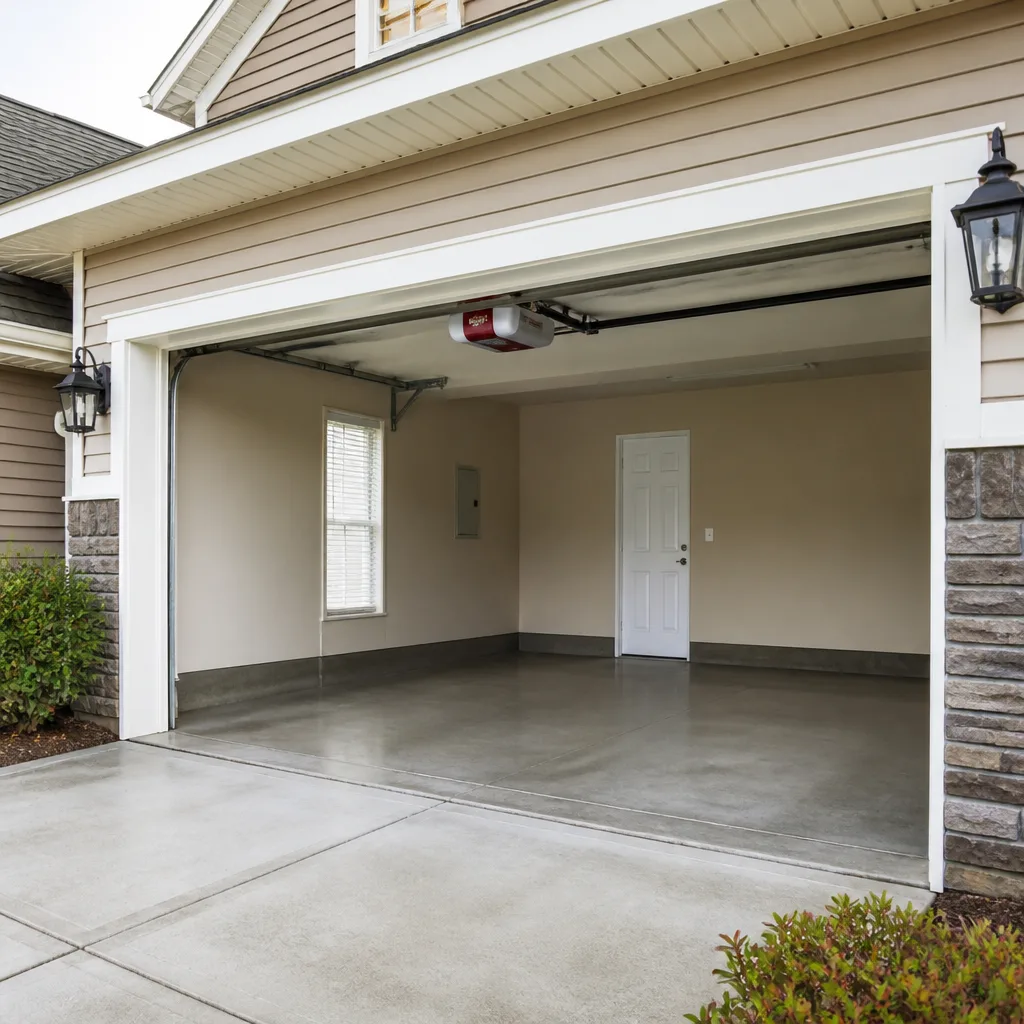 LiftMaster openers
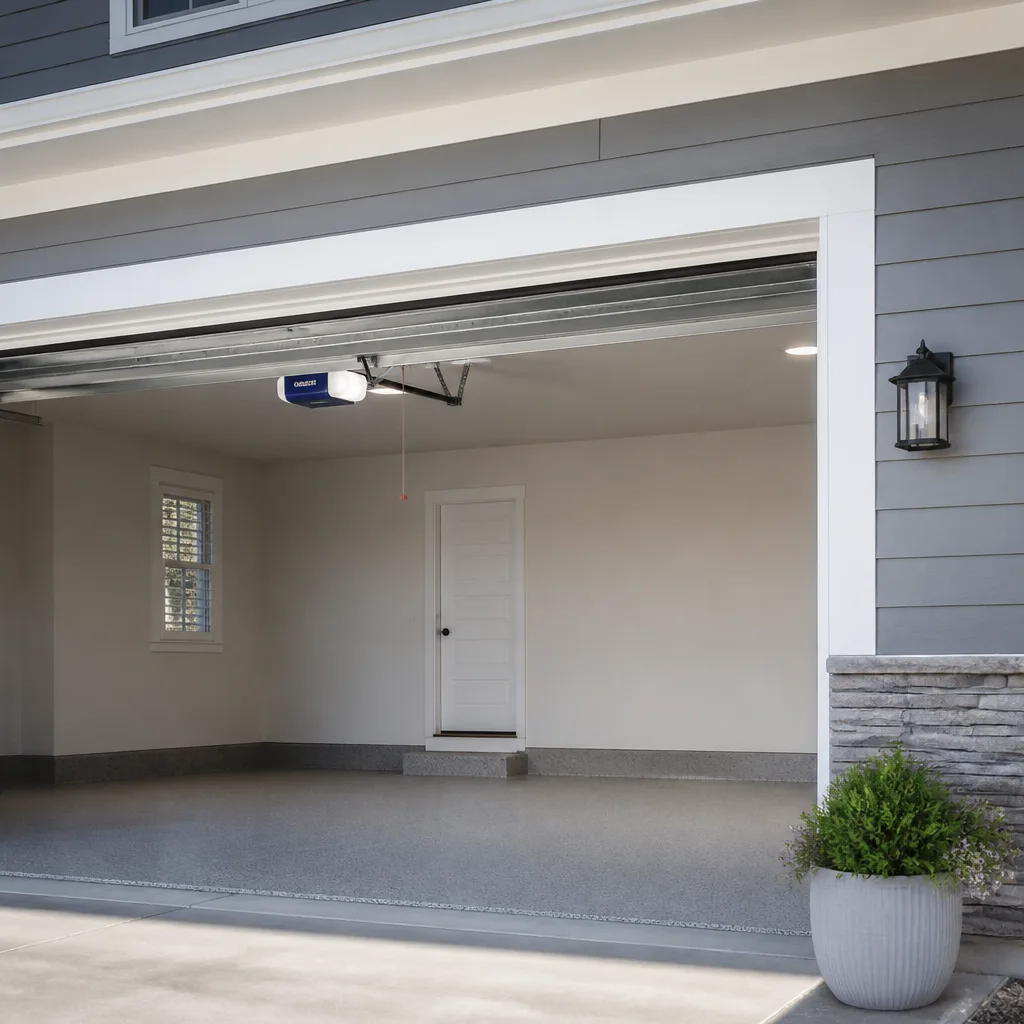 Chamberlain openers
Full 25-point door and opener safety check with every visit - springs, cables, rollers, tracks, and your LiftMaster or Chamberlain opener included
You get a price before we start. It does not change when the pro arrives.
Get your free estimateChoosing the Right Garage Door Brand: A Buyer’s Guide for Dearborn
The brand a contractor recommends is usually the brand they carry, not the brand that fits your door opening, your insulation needs, and your budget. That’s the uncomfortable truth of the garage door trade. Most dealers stock one or two lines, and they sell what’s on the floor. Homeowners rarely get a real comparison. They get a pitch dressed up as advice. This guide does the opposite. We’ll walk through how insulation claims line up with what a Dearborn attached garage actually needs, why parts availability in southeast Michigan matters more than a badge on the door, how steel gauge translates to dent resistance through our temperature swings, and how to match a new door to the opener you already own instead of buying both. By the end you’ll know how to judge a brand on your terms.
Quick Answer
The best garage door brand for a Dearborn home is the one whose gauge, insulation, warranty terms, and parts network match your specific opening and climate rather than a dealer’s inventory. For most attached garages here, a mid-grade steel or steel-backed door from Clopay, Amarr, or Wayne Dalton delivers the right balance of dent resistance, insulation, and serviceability. Brand names mean less than transparent warranty language and local parts availability.
Styles & brands we work with
- Raised-panel steel
- Carriage house
- Modern flush
- Full-view glass
- LiftMaster openers
- Chamberlain openers
Table of Contents
- How we judge a garage door brand (and how you should)
- Insulation R-value: what Dearborn garages actually need
- Steel gauge and dent resistance in a Michigan climate
- Parts availability and the southeast Michigan service network
- Warranty terms: who actually honors them
- Matching door weight to your existing opener
- How the major brands stack up
- Common mistakes to avoid
How we judge a garage door brand (and how you should)
We evaluate brands on five things, in this order: build quality of the panel and hardware, insulation performance against real heating loads, parts availability within a reasonable drive of Dearborn, warranty language that survives a home sale, and compatibility with the openers most homes here already run. Notice what’s missing from that list. Price comes last, because price only means something once you know what you’re comparing.
A cheap door that dents in the first cold snap and needs a discontinued hinge two years later isn’t cheap. A premium door with a warranty that only the original installer will honor can become a headache the moment you sell the house. The brand has to hold up over time, not just on the showroom floor.
Here’s the framework we use with homeowners:
- Fit first. Measure the opening, the headroom, and the side clearance before considering any brand. A brand is only “best” if it makes a door that fits your frame.
- Climate match. Evaluate insulation against how your garage is actually used, not the marketing sheet.
- Steel spec. Compare gauge and panel construction, not just color and style.
- Parts test. Ask whether rollers, hinges, springs, and tracks for that brand are stocked nearby or shipped.
- Warranty read. Read who honors it and whether it transfers.
- Opener check. Confirm the door’s weight and balance requirements match your existing opener before adding a new one to the quote.
When you run those six checks, most brand loyalty dissolves. What’s left is a short list of doors that fit your house. Our Forthright Garage Door Repair team works on the eight major brands precisely because we’d rather service the system you already have than push a line we’re carrying that month. For a deeper look at what repairs actually involve in this market, our Dearborn service page covers the local picture.
Insulation R-value: what Dearborn garages actually need
Most Dearborn homeowners are oversold on insulation. An attached garage shares at least one wall with the house, and often a ceiling below a bedroom. That wall matters for comfort. The garage’s own big door matters far less than the window it resembles. A door with a modest insulation value is usually enough to stop drafts and reduce heat transfer through the shared wall. Spending on a heavily insulated, high-R-value door rarely pays back in a garage that isn’t heated and conditioned as living space.
Where insulation does earn its money in this climate: an attached garage below a bedroom, a garage used as a workshop or home gym, and any garage where you’ve noticed the room above stays cold in January. If none of those apply, a basic insulated door handles a southeast Michigan winter fine.
Use this quick test:
- Unheated, unattached, storage only: a non-insulated or lightly insulated steel door is honest and affordable.
- Attached with a room above or beside it: choose an insulated door with a bonded or injected core, not a foam panel pushed into place.
- Used as workspace or gym: step up the insulation and pick the tightest perimeter seals you can get.
- Heated as conditioned space: this is the rare case where the top insulation line makes sense.
Brands like Clopay and Amarr publish insulation values for their lines. The number to compare is not “higher is better.” It’s “higher than your actual use justifies.” A door spec’d beyond your garage’s real heating dynamics is money you won’t recover. In our experience the biggest insulation mistake in Dearborn isn’t buying too little. It’s paying for a top-tier insulated panel on a garage that only holds snow shovels and a lawnmower.
Steel gauge and dent resistance in a Michigan climate
Steel gauge is where brands genuinely differ, and where marketing fluff gets thick. Lower gauge means thicker steel. A 24-gauge face is thinner than a 25-gauge? No – the numbering runs the other way. A 24-gauge panel is thicker than a 27-gauge panel. Most residential doors fall between 24 and 27 gauge, and the face gauge only tells part of the story because panel design, ribbing, and two-layer vs three-layer construction all change how a door resists a hit.
Why does this matter in Dearborn specifically? Michigan’s freeze-thaw cycle puts real stress on a door. It expands when it’s cold, sags slightly when it’s warm, and the seals and hinges take the wear. A door that flexes in the cold and rattles in summer announces itself. A door built with thicker steel and stiffer panels handles the seasonal swing without the flex.
Dent resistance is the practical concern. Here’s how to think about it:
- Face gauge first. A thicker face (lower number) is more resistant to dents from a bike, a trash can, a bumped car.
- Backing second. Two or three-layer doors with a steel backer or insulated core resist the “oil can” wobble that thin single-panel doors develop.
- Ribbing third. Raised, deep panels and vertical ribs add stiffness without adding weight.
- Hardware last. Hinges and rollers matter for how the door wears, but they don’t rescue a thin face panel.
Hail is uncommon here, so a dent that arrives in a Dearborn garage door usually came from something closer to home: a play structure, a car bumper, a well-aimed snow shovel. Thicker gauge is your defense. Wayne Dalton and Amarr both build doors in a range of gauges; the spec sheet tells you which. What you want to avoid is the minimum-gauge door sold as “value” with no panel backing and a warranty that excludes dents. Read the exclusion language before you buy.
Parts availability and the southeast Michigan service network
A garage door you can’t get parts for in southeast Michigan is a liability. It’s the part of the purchase almost nobody mentions. Brands ship standard rollers, hinges, and springs quickly. Track sections, panel replacements, and proprietary hardware are another story, especially for discontinued lines and doors with unusual panel profiles.
The questions that matter:
- Are replacement panels still made for this model? Panel profiles get discontinued. If a panel is a decade out of production and yours is dented, matching it becomes a hunt.
- Are standard parts universal or brand-specific? Rollers, hinges, and most springs are available broadly. Some exterior handles and locks are not.
- Can any local tech work on it, or does it need the original dealer? This is the resale question. A door that only the original installer can service is a liability the day you sell.
The major brands we service – LiftMaster, Chamberlain, Genie, Clopay, Amarr, Wayne Dalton, Craftsman, and Raynor – all have parts channels that reach this region. But parts availability and “the closest dealer stocks that part today” are different. When something breaks on a weekend or after a cold snap, the household with a widely supported brand is back up fast. The one with an orphaned line waits. That difference belongs in your buying decision.
This is also why we lean on garage door repair as a first step. If your existing door is repairable and the brand still makes what you need, we tell you. Replacement is a separate conversation, not a default answer. Our technicians have up to 11 years of experience working across doors of many makes, and they’ll tell you plainly which parts are still available and which are headed for the junkyard.
Warranty terms: who actually honors them
Warranty language separates the major brands sharply, and it’s almost always skimmed past. Two warranties can read like the same sheet of paper and behave completely differently when you need them. The difference: a warranty honored by the manufacturer versus one that only the original installing dealer will fulfill.
A manufacturer-backed warranty follows the product. If you sell the house, the new owner can claim it. It survives a change of installer. A dealer-installer warranty usually says the installing company will service or replace the part, which ties the warranty to that one company staying in business and answering the phone. If the installer closes or moves, the paperwork in a drawer means nothing.
What to read for before you sign:
- Who is the warrantor? Manufacturer or installer? Get both names in writing.
- Does it transfer? Look for language about a change of ownership.
- What’s excluded? Dents, damage from outside objects, and labor are commonly excluded. Know which.
- How are parts delivered? Does replacement hardware ship to you or to the original installer?
- How long are the coverage windows? Panel, hardware, and spring warranties usually run different lengths.
For resale in Dearborn, manufacturer-backed and transferable beats longer. A transferable ten-year warranty often beats a twenty-year warranty tied to a dealer who may not be around in three. Buyers and their inspectors ask. Get the terms in writing before the door goes up, not after a part fails.
Matching door weight to your existing opener
One of the most common unnecessary upsells in this trade is a new opener bundled with a new door. Unless the door fails or the opener is genuinely underpowered, the opener you already own can often run the door. What matters is the match between door weight, balance, and opener capacity. Get that right and you may not need a new opener at all.
Here’s the sequence:
- Weigh the door, don’t guess. Door weight is a function of size, material, insulation, and hardware. Because steel, wood, and aluminum doors weigh different amounts, the same size opening can hold a door twice the weight of another. Pull the actual spec, not a rule of thumb.
- Check balance. A properly balanced door lifts smoothly by hand and stays where you leave it. A poorly balanced door puts strain on the opener no matter how new it is.
- Match lift ceiling to door weight. Openers are rated for a door weight range. A small opener on a heavy door is a future failure, not a savings.
- Confirm the operator style. Belt drive, chain drive, and screw drive differ in noise and upkeep. If you’re replacing an opener, that’s a separate decision – service it with garage door opener repair if it’s working fine and only the door is being replaced.
If your door is saving up its own failure and the opener is fine, replacing both at once is fair. But when the door is the issue and the opener is healthy, you don’t need to buy both. A good technician checks the match and tells you straight.
How the major brands stack up
The brands we service most often in Dearborn – LiftMaster, Chamberlain, Genie, Clopay, Amarr, Wayne Dalton, Craftsman, and Raynor – aren’t competing on a single axis. Some are opener-focused, some are door-focused, and some walk both sides. Here’s the honest breakdown without a preferred line to defend:
- Clopay: broad steel door lines with strong insulation offerings and upgrade paths. Good for homeowners who want to spec insulation explicitly rather than take what’s in the box.
- Amarr: solid steel and steel-backed doors with clean spec sheets and durable panel construction. A sensible pick when you care about gauge and ribbing.
- Wayne Dalton: wide range from budget to architectural styles. Panel and hardware availability is generally strong in this region.
- Genie and LiftMaster/Chamberlain: these are primarily opener names. Your door brand doesn’t have to match your opener brand. Any opener on the list can drive a door from a different manufacturer as long as capacity matches door weight.
Notice we didn’t rank them. The right pick for your door opening depends on the fit and the spec, not the badge. What matters more than the name on the panel is whether the model’s parts are still supported and whether the warranty will survive a home sale. What we can tell you is that the same steel gauge from two brands often performs similarly, and the dealer whose truck is full of one brand is not a neutral judge.
Common Mistakes to Avoid
- Buying the insulation the salesperson is selling. Match insulation to real use. A top-tier R-value door on an unheated Dearborn garage is money you won’t recover. Spend on the perimeter seal and the fit first.
- Ignoring the parts question until something breaks. Ask who stocks parts for the model you’re considering. A discontinued panel profile in southeast Michigan is a five-figure-plus problem the day it’s dented.
- Treating dealer-installer as a “manufacturer warranty.” Get the warrantor’s name on paper and read the transfer clause. For resale, the warranty should follow the house.
- Replacing the opener just because the door is new. If the opener is healthy and rated for the new door’s weight, it can run it. Ask for the door weight spec and check the match instead of buying twice.
- Buying the lowest-gauge door on the shelf. Thin single-panel steel flexes in a Michigan freeze-thaw cycle and dents on the first stray trash can. Buy the thickest face you can afford.
- Choosing the brand the dealer stocks rather than the door that fits. Fit and spec come first. A brand that makes a door for your opening beats the one the installer prefers to inventory.
- Skipping the balance check on an existing door. A poorly balanced door wears out the new opener you just bought. Have balance checked before you replace anything.
- Not asking whether the door and opener brands need to match. They don’t. Pick the door on fit and spec; pick the opener on capacity, noise, and features.
See the difference
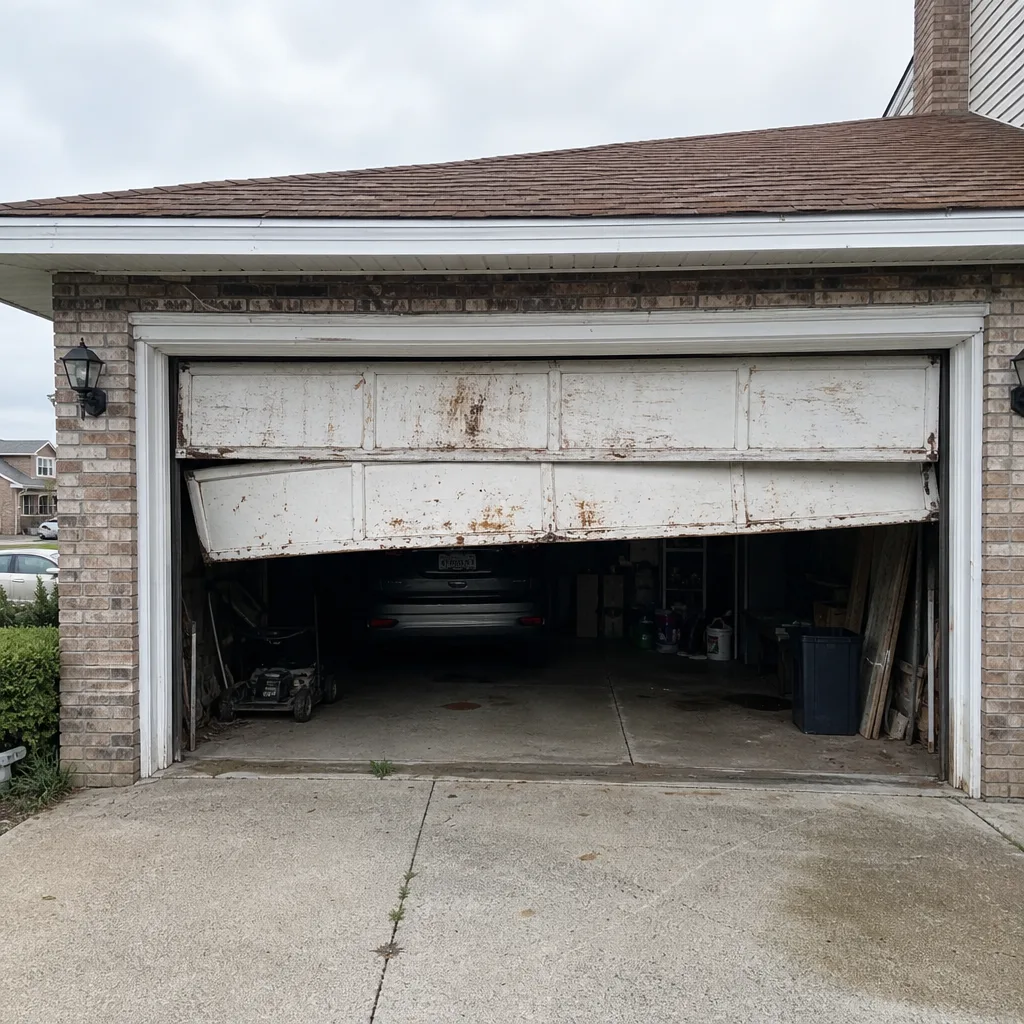 Before
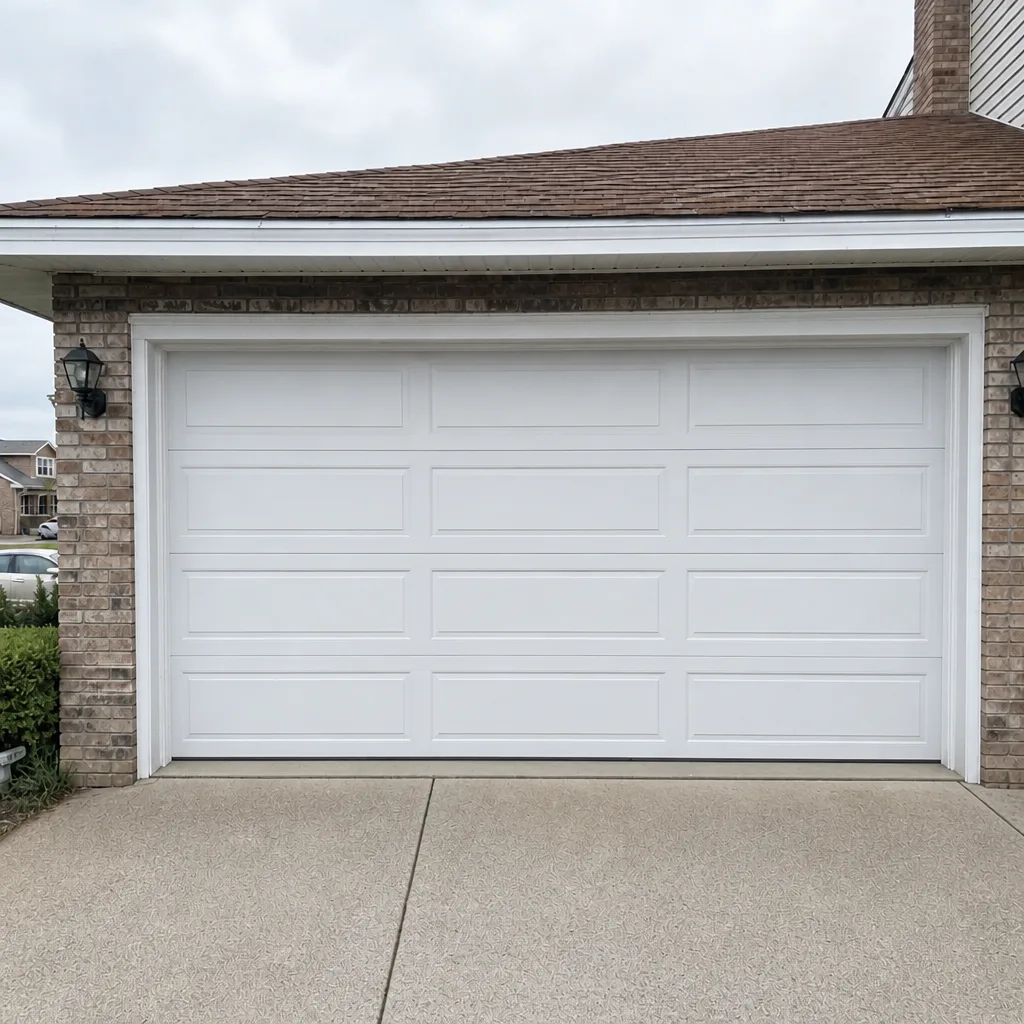 After
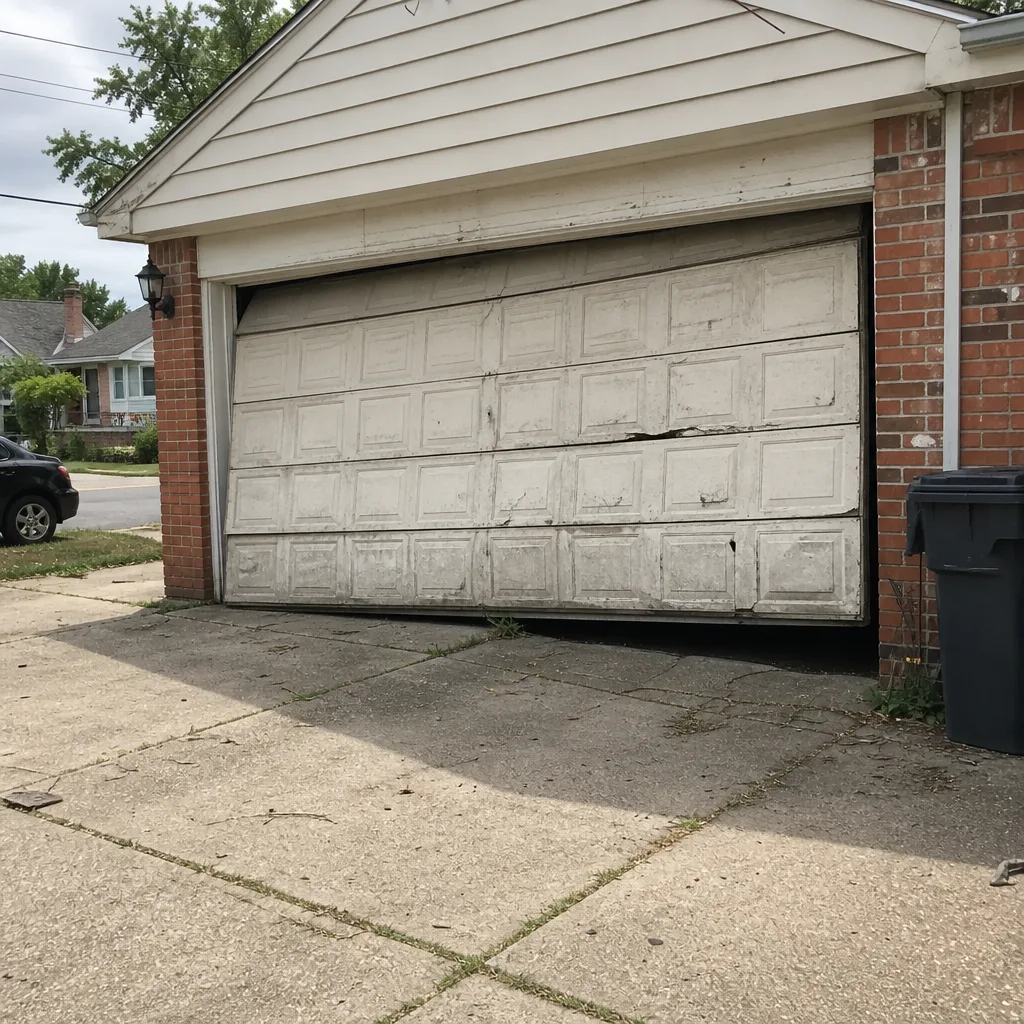 Before
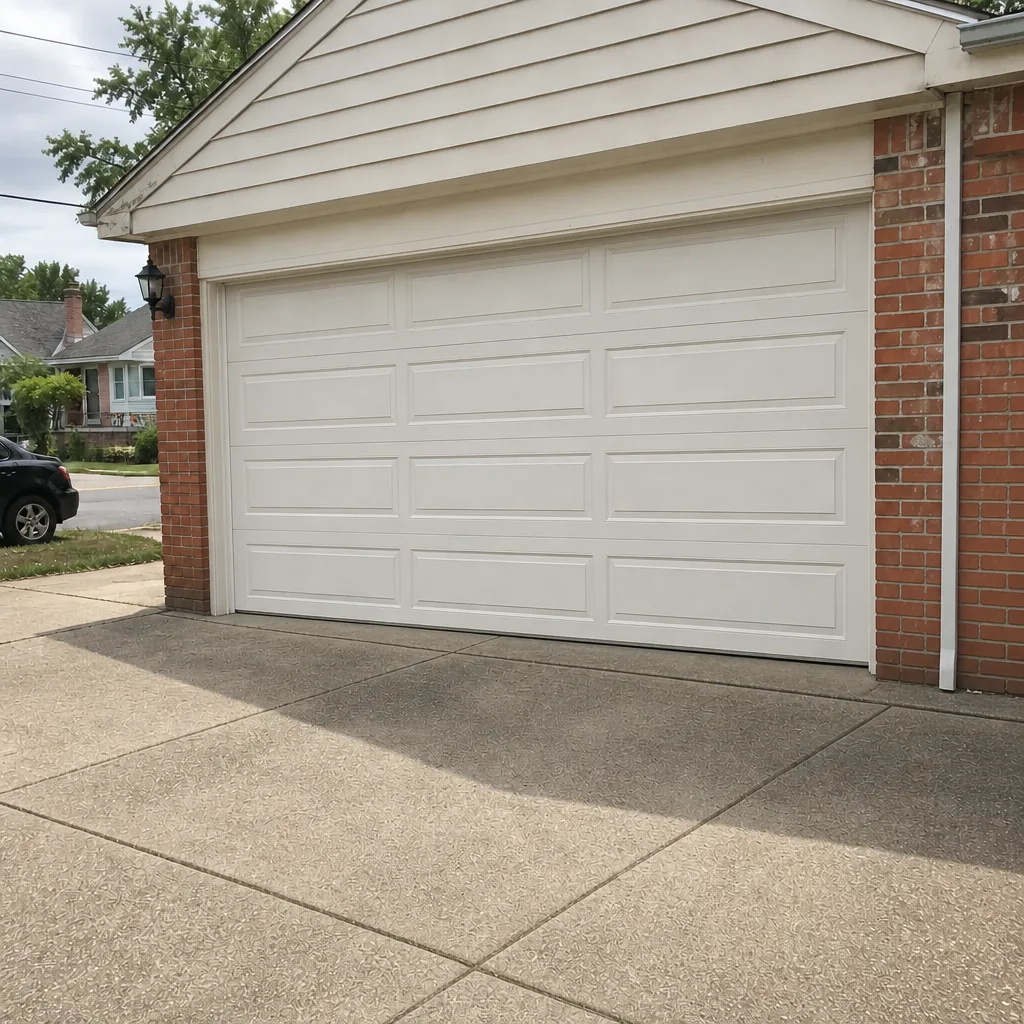 After
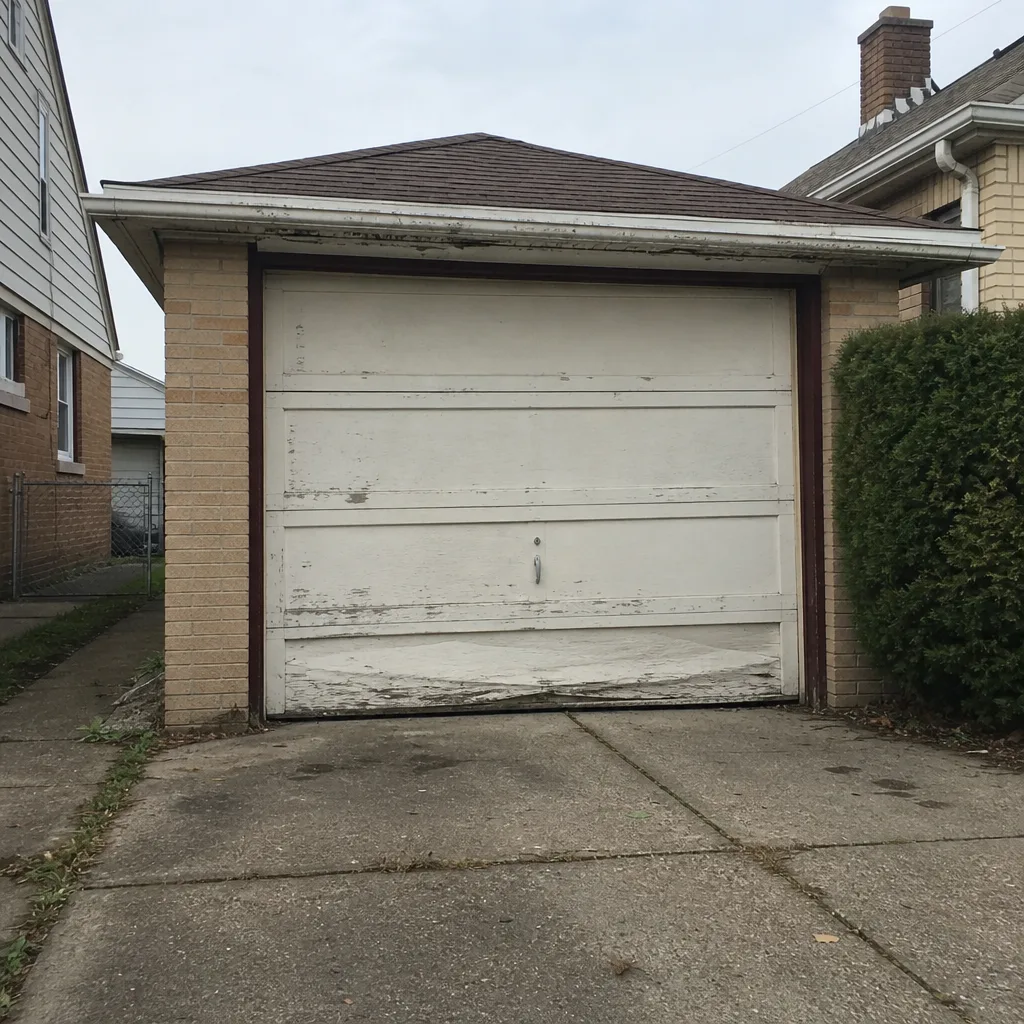 Before
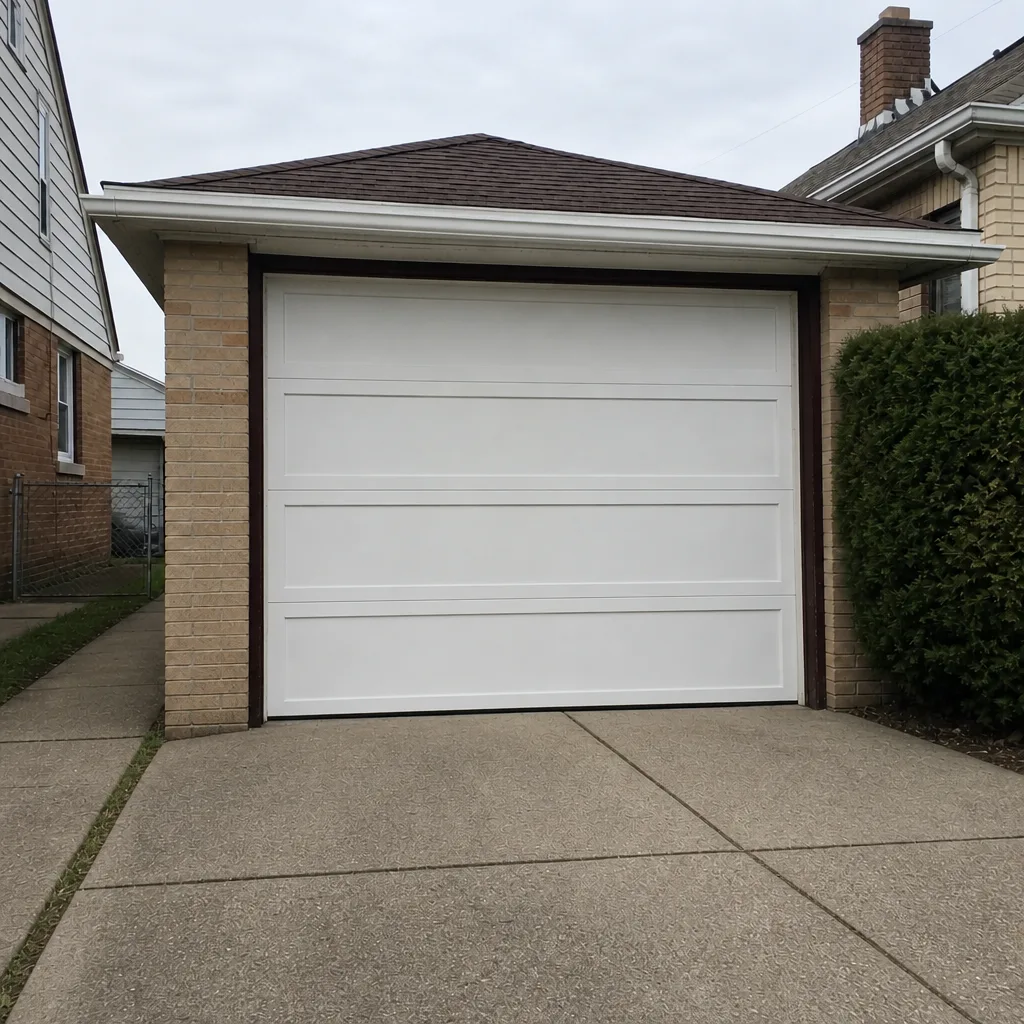 After
When to Call a Professional
Some of this guide you can handle yourself: noting the door’s model and spec, reading the warranty lines, checking whether it lifts smoothly by hand. Safety is the line. Garage door springs, cables, and the torsion hardware that holds a door’s weight are dangerous, and adjusting them without training is a risk we don’t recommend. If you’re hearing a snap or bang from above, if the door lifts crooked or won’t stay up, or if you’ve noticed a sagging panel or a bent track, stop using the opener and get a trained technician out. The same goes for a door that shakes the whole garage on the way up or drives past its limits at either end. We tell you what’s wrong before we tell you what it costs. Forthright Garage Door Repair offers free estimates in Dearborn – call (833) 454-5390. We answer 24/7. Fast dispatch from 7am to 7pm, Sunday through Friday. The price is set per job by the written estimate, quoted and agreed before any work starts.
Frequently Asked Questions
The best brand is the one whose door fits your opening and meets the insulation and gauge needs of your specific garage, not the one your dealer stocks. For most attached garages here, a mid-grade steel or steel-backed door from Clopay, Amarr, or Wayne Dalton hits the right balance of dent resistance, insulation, and parts availability. The brand matters far less than the spec sheet and the warranty’s transfer terms. Call (833) 454-5390 for an exact quote – estimates are free.
No. The door brand and the opener brand are independent. Any opener on the market can run any residential door as long as the opener is rated for the door’s weight and the door is properly balanced. You don’t need to replace the opener just because the door is new. Have the door’s weight spec checked against your existing opener’s lift rating before buying both.
For an unheated attached garage, a lightly insulated steel door is usually enough to stop drafts and reduce heat transfer through the shared house wall. A higher R-value door earns its money when the garage sits below a bedroom, is used as a workshop or gym, or is heated as conditioned space. Most Dearborn homes are oversold on insulation. Match the spec to how you actually use the garage rather than the top of the catalog.
Only if the warranty is manufacturer-backed and explicitly transferable. Dealer-installer warranties usually tie coverage to the original installer, so they can vanish when you sell or when the installer closes. Read the warrantor’s name on the paperwork and look for a transfer clause before the door goes up. Transferability matters for Dearborn resale and home inspections.
Often yes, and we’ll tell you plainly if that’s the better call. Many door problems – springs, hinges, rollers, tracks, and balance issues – are repairable, and repairing is cheaper than replacement when the door is still serviceable. We check whether the model still has parts support before recommending anything. If a repair isn’t worth it, we say so. Our garage door repair page explains what we handle. Call (833) 454-5390 for a free estimate.
It means we diagnose the actual problem, explain it in plain terms, then quote the price, so you can decide with full information. The written estimate is the price, and nothing gets added at the invoice stage. Our name is a standing commitment to that order of operations. Call (833) 454-5390 for an exact quote – estimates are free.
The Bottom Line
Brand loyalty in garage doors is largely manufactured by dealers who need to sell what they carry. Judge a brand on fit, gauge, insulation that matches your real use, parts availability in southeast Michigan, and a warranty that transfers – in that order. Your door and opener brands don’t need to match, and your existing opener may be fine with the right weight match. If you’re deciding in Dearborn, get the spec sheet in writing, get the warranty terms in writing, and get a written estimate before any work starts. Then decide on the door that fits your house.
Written by the team at Forthright Garage Door Repair.
Ready to talk it through? Call Forthright Garage Door Repair at (833) 454-5390 for a free estimate. We tell you what’s wrong before we tell you what it costs. We answer 24/7. Fast dispatch from 7am to 7pm, Sunday through Friday. Every price is quoted and agreed before any work starts, and our technicians have up to 11 years of experience across the eight major brands: LiftMaster, Chamberlain, Genie, Clopay, Amarr, Wayne Dalton, Craftsman, and Raynor. Garage doors only – repair, opener repair, and new installation.