
Last updated November 15, 2026
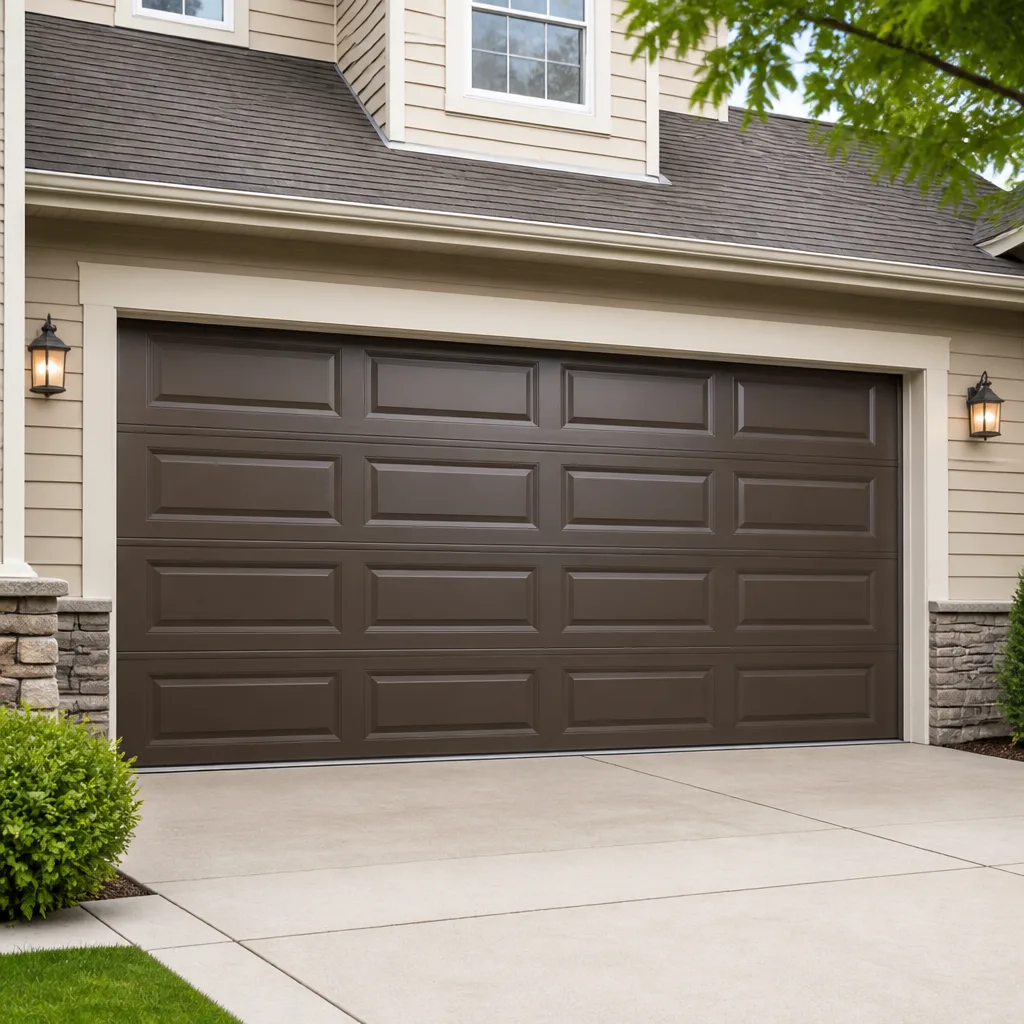 Raised-panel steel
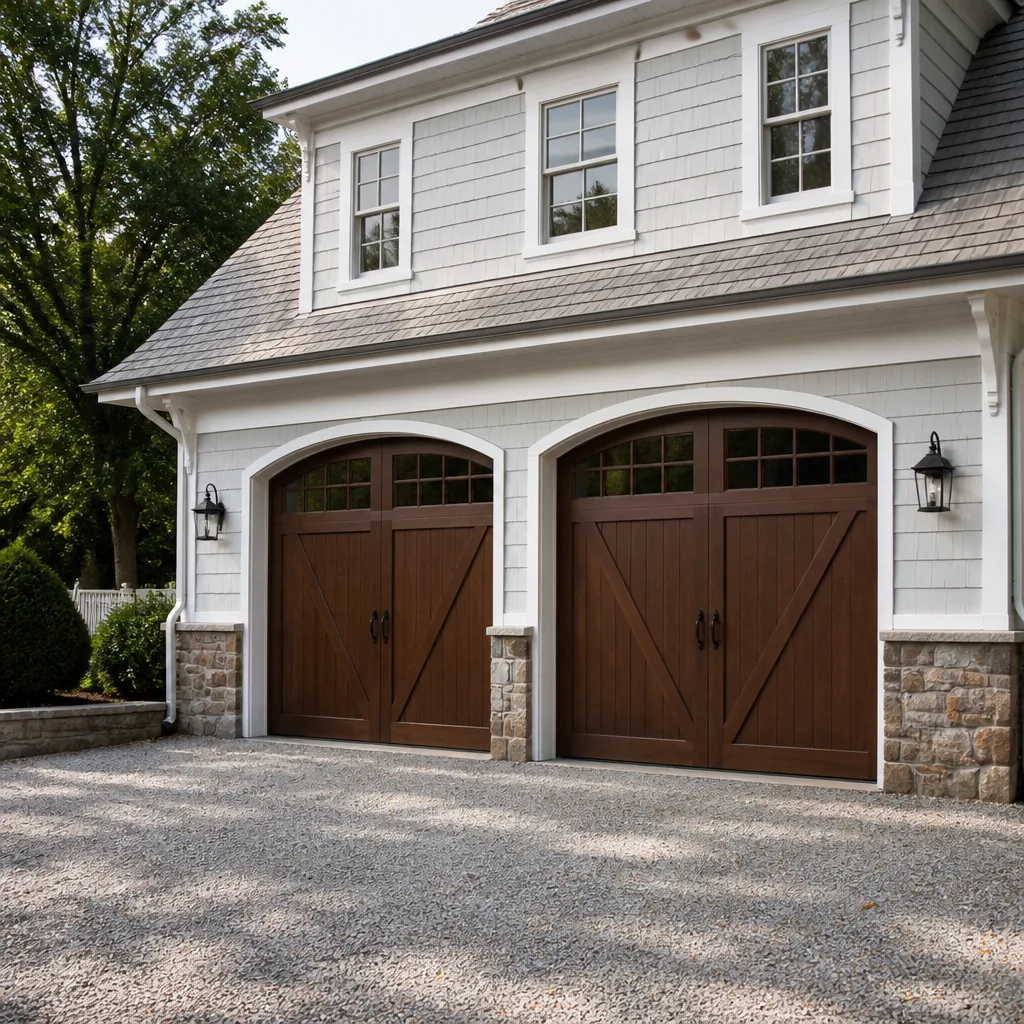 Carriage house
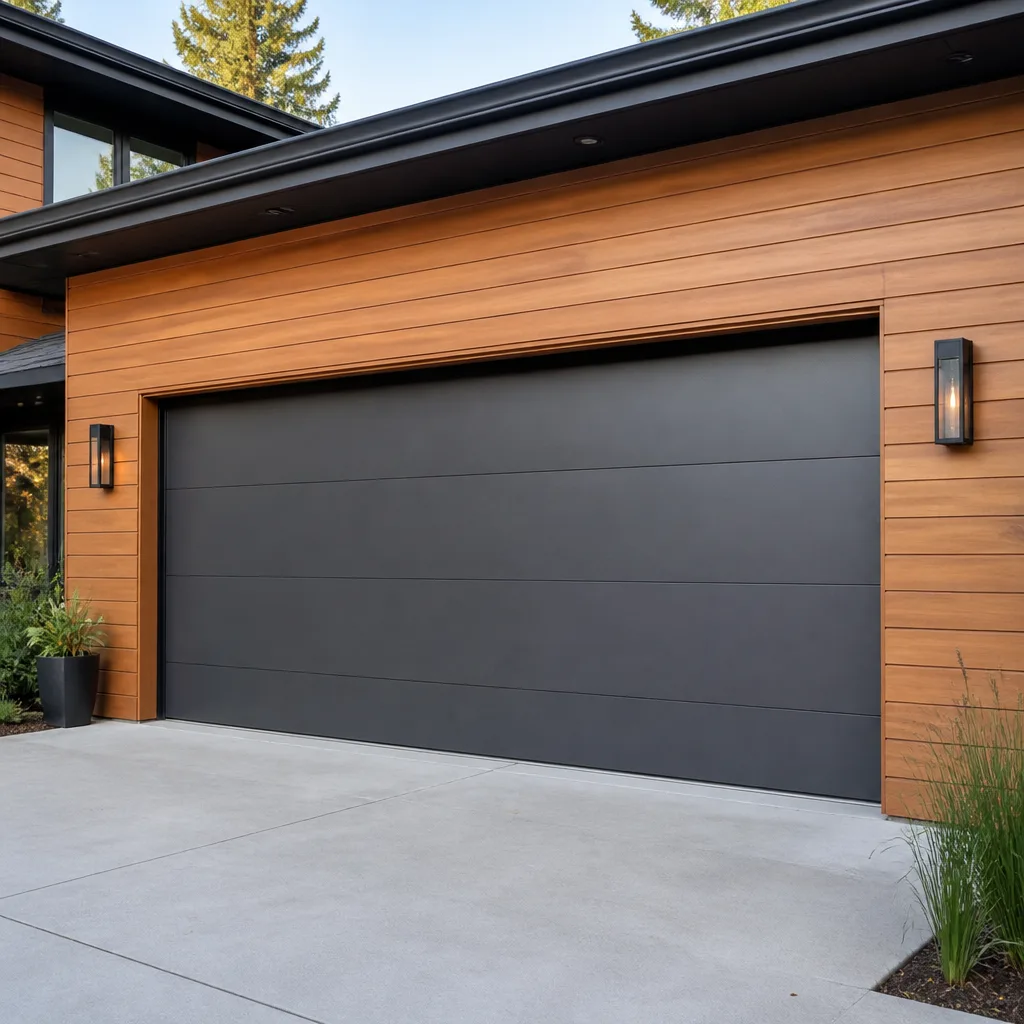 Modern flush
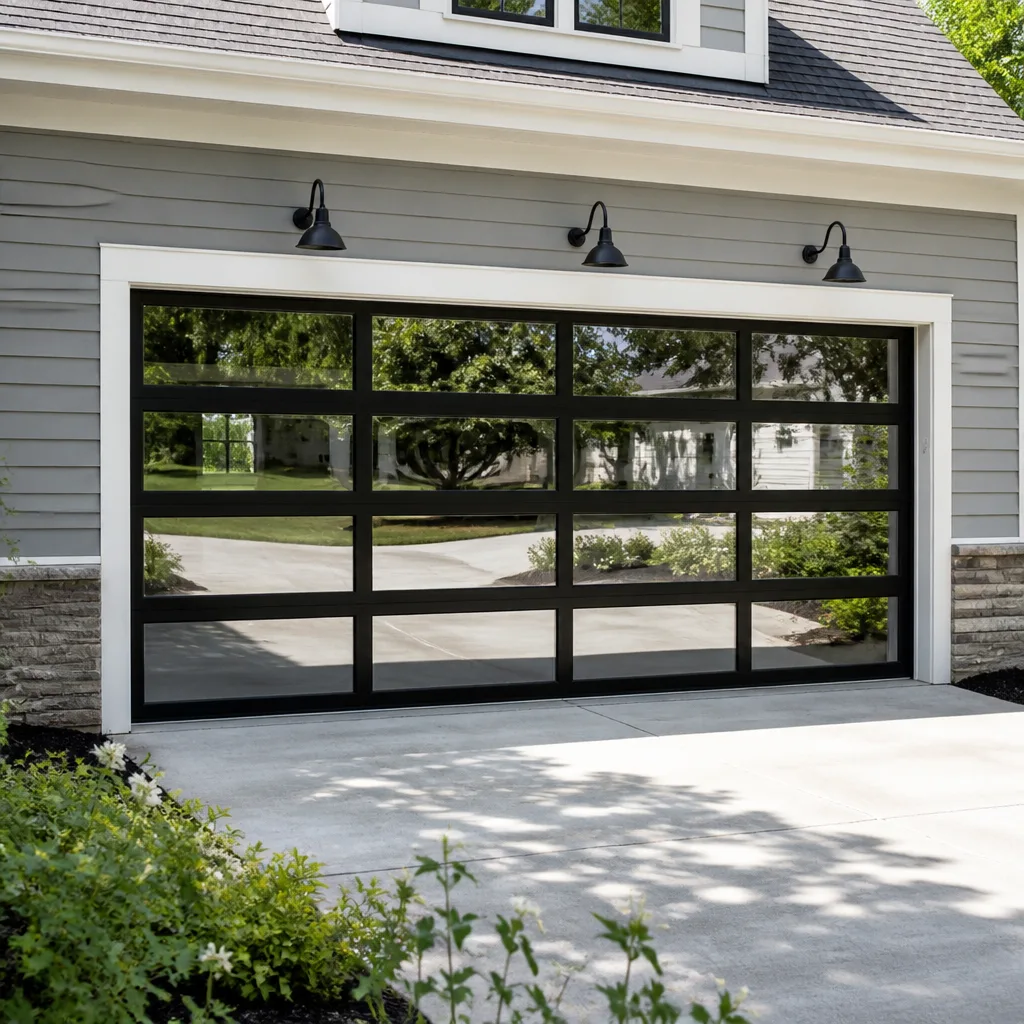 Full-view glass
 LiftMaster openers
 Chamberlain openers
Full 25-point door and opener safety check with every visit - springs, cables, rollers, tracks, and your LiftMaster or Chamberlain opener included
You get a price before we start. It does not change when the pro arrives.
Get your free estimateSeasonal Garage Door Care for Dearborn: Year-Round Homeowner’s Guide
Most seasonal garage door advice is written for a climate that doesn’t exist here. The generic four-season checklist tells you to “lubricate in spring” and “check the weatherstripping in fall,” which tells you almost nothing about what actually breaks garage doors in Dearborn. Southeast Michigan does something more specific: it coats the underside of your door in road salt brine all winter, drives hinges and cable ends through dozens of freeze-thaw cycles, then swings into a humid summer that works on wood panels and the opener’s logic board in an unheated, un-air-conditioned garage. That combination creates a predictable failure order. This guide maps maintenance to that timeline, so you’re fixing the right thing at the right time instead of reacting to whatever snaps next.
Quick Answer
Garage door care in Dearborn should follow the local climate, not a generic four-season template. The highest-value tasks are a thorough fall inspection before the first hard freeze (seals, hinges, cable ends, bottom brackets), keeping road salt brine from gluing the door to the floor through winter, and a spring check of the components that took the most cold-contraction stress. Summer is the time to address humidity damage to wood doors and opener electronics in unvented garages.
Styles & brands we work with
- Raised-panel steel
- Carriage house
- Modern flush
- Full-view glass
- LiftMaster openers
- Chamberlain openers
Table of Contents
- Why Dearborn Weather Hits Garage Doors Differently
- The Fall Task Sequence: Prepare Before the First Freeze
- Winter: Road Salt Brine and the Door That Freezes to the Floor
- Spring: What a Michigan Winter Leaves Behind
- Summer: Humidity, Wood Doors, and Opener Logic Boards
- The Dearborn Month-by-Month Care Calendar
- What You Can Check Yourself vs. What Needs a Technician
- When to Call a Professional
Why Dearborn Weather Hits Garage Doors Differently
Dearborn sits in a part of southeast Michigan that gets the full range of seasonal extremes without much moderation. Cold snaps that dip well below freezing are common in January and February, but so are thaws that push above freezing for a day or two before the cold returns. That freeze-thaw pattern is what does the damage. Every time water gets into a hinge pivot, a seam, or the gap under your bottom seal and then refreezes, it expands. Over a winter that repeats dozens of times, and metal fatigue and seal cracking follow a schedule.
Layer road salt on top of that and you get something specific to a city like Dearborn. The salt used on streets and driveways doesn’t stay on the pavement. Tire spray throws a fine brine mist against anything low to the ground, which means your bottom seal, the bottom brackets, the hinges closest to the floor, and the exposed ends of your lift cables take a steady salt bath from November through March. That brine is the reason a nine-year-old door in Dearborn can have a bottom section that looks a decade older than the panels above it.
Summer does its own work. Dearborn garages are often unheated and unventilated, and July humidity inside one can hold near outdoor levels. Wood sections absorb that moisture and swell at the joints. The opener’s circuit board, mounted on the ceiling, sits in the same humid air and collects condensation. It’s a different set of stresses than winter, but it’s just as predictable, and it’s why a Dearborn homeowner benefits from looking at this as a year-long cycle rather than a spring cleaning.
We work on garage doors across Dearborn and see the same failure order repeat neighborhood to neighborhood. The details below follow that order.
The Fall Task Sequence: Prepare Before the First Freeze
The most useful thing you can do for your garage door in Dearborn is get ahead of the first hard freeze. Once the ground is frozen and the temperature stays below freezing, every small issue you didn’t address in October becomes a much more expensive problem in January. Work through these tasks before the cold settles in.
- Inspect and replace the bottom seal. Get down at floor level and look along the full width of the bottom rubber or vinyl seal. Flex it. If it’s cracked, stiff, or missing chunks, replace it before winter. A failing bottom seal is the single biggest cause of the door freezing to the floor and the entry point for cold air, snow, and small animals. A brittle seal also can’t sweep salt brine off the threshold as the door closes.
- Lubricate every hinge, roller stem, and the torsion or extension spring coil. Use a garage-door-specific lubricant, not WD-40 or grease. Grease attracts grit that grinds pivots; a proper door lubricant penetrates and stays put through cold. Do this while temperatures are still mild so the lubricant can settle in before it has to work in the cold.
- Check the cables at both ends. Look for frayed strands, kinks, or rust at the bottom bracket where the cable loops. Cables that are on their way out often fail on the coldest morning of the year. If you see damage, don’t touch it – have it replaced by a technician.
- Test the door balance. Disconnect the opener (pull the release cord), lift the door about halfway by hand, and let go. A properly balanced door should hold its position. If it drops or rises, the springs are out of adjustment or weakening, and winter cold will make it worse.
- Test the safety reverse. Put a piece of wood or a brick in the door’s path and close it. The door should reverse on contact. If it doesn’t, the opener’s sensitivity setting or the photo-eye alignment needs attention before the season.
- Seal drafts at the sides and top. Check the side and top weatherstripping for gaps. A drafty garage in Dearborn pulls cold air into the house and makes the door work harder on every open and close.
If any of these checks turn up something you’re not comfortable handling, that’s the moment to book a service visit. Our technicians have up to 11 years of experience, and a fall inspection is far cheaper than an emergency call on a below-zero morning.
Winter: Road Salt Brine and the Door That Freezes to the Floor
When a Dearborn garage door freezes to the floor, the cause is almost never just the cold. It’s brine. Salt-laden water runs off your car, off the driveway, and out of the street and collects at the threshold. When the temperature drops overnight, that brine freezes into a hard, sticky bond between the bottom seal and the concrete. The opener may strain and the door may not budge, or worse, the opener’s force limiter may start lifting and break something before the door releases.
Here’s the important part: the common “fix” makes it worse. Many homeowners pour hot water on the threshold, chip at the ice with a shovel, or pry the bottom of the door with a bar. Hot water melts the bond but leaves more water behind to refreeze. Chipping and prying damage the bottom seal and can bend the bottom bracket or kink the cable. That damage often shows up weeks later as a broken spring or a door that runs crooked.
The right approach is to prevent the bond in the first place:
- Keep the threshold clear of packed snow and ice. A stiff broom, not a metal shovel, is the right tool.
- Replace a worn bottom seal before winter. A fresh, flexible seal conforms to the concrete and sheds ice better than a stiff one.
- If the door is already frozen shut, stop pushing the button. Don’t force it. If it won’t release cleanly, call us so we can free it without damaging the opener or the door – the phone line is answered 24/7.
If your door is frozen and you force it repeatedly, you’re loading the springs and cables in a way they weren’t designed for, and that’s how a $200 repair turns into a spring replacement. Our garage door repair service handles frozen-door releases and the ice damage that comes with them. We tell you what’s wrong before we tell you what it costs.
Spring: What a Michigan Winter Leaves Behind
By the time the thaw arrives, your garage door has been through months of contraction cycles and salt exposure. Spring is the time to find out what took the most stress, and to catch it before summer heat makes it worse. The parts that absorb the most winter stress tend to fail or need attention in a predictable order:
- Torsion springs. Cold contraction stresses spring coils, and the temperature swings of a Michigan winter are hard on them. A spring that made it through the winter may still be near the end of its life. Listen for a loud bang in spring and treat a broken spring as a call-a-technician situation, not a DIY project – torsion springs are under extreme tension and can cause serious injury if handled without the right tools and training.
- Cables and bottom brackets. These are the salt-exposed parts. Look for rust bloom, fraying, and any bowing in the bracket. Any of those needs a technician.
- Rollers. Cold-stiffened rollers wear faster, and a roller that lost a bearing or has a flat spot will make the door rumble and run off track.
- The bottom seal again. A winter of brine and freeze-thaw is the hardest test a bottom seal gets. Replace it if it’s stiff or torn.
- Track alignment. A track that got bumped by a car or shifted through freeze-thaw heaves may be slightly out of alignment. Check that the door runs smoothly by hand.
Run the door by hand a few times after the thaw: open, close, open, close. Listen for grinding, rumbling, or popping. Any noise that wasn’t there in October is telling you something. This is also the right moment to have any opener that strained all winter looked at by a technician. Our garage door opener repair service covers LiftMaster and Chamberlain units, among others, and the diagnosis is free with the estimate.
Summer: Humidity, Wood Doors, and Opener Logic Boards
Summer is the season most garage door advice ignores, and that’s a mistake in Dearborn. A garage that isn’t air-conditioned or ventilated can hold high humidity for weeks. Two things suffer.
Wood and composite doors. Wood sections absorb moisture at the joints and edges, and they swell. The door can bind in the tracks, the bottom section can warp, and the finish can lift at the seams. If you have a wood door, the summer routine is about keeping moisture out: check the top and bottom edges for peeling finish and touch up anything that exposes bare wood. The top and bottom edges are where water gets in first.
Opener logic boards. The opener’s circuit board sits on the ceiling in that humid air. Condensation on the board can cause intermittent behavior – the door stops halfway, the remote works sometimes, or the opener beeps and does nothing. If your opener acts up on hot, humid days and is fine on dry days, humidity is a likely contributor. Have it checked before it fails outright.
Summer is also the right season for the tasks that need warm, dry weather: painting or staining a wood door, replacing weatherstripping so the adhesive sets, and adjusting a door that swelled and started rubbing. If your opener is older and its behavior in the humidity suggests the board is on the way out, our opener repair team can diagnose it and, if a replacement is the honest answer, install a new LiftMaster or Chamberlain unit – the same brands that are already in most Dearborn garages.
The Dearborn Month-by-Month Care Calendar
Here’s a care calendar built around southeast Michigan weather rather than a generic four-season template. This is the order things actually need attention in.
- March – April (thaw): Walk the door and listen. Check springs, cables, bottom brackets, and rollers for winter damage. Replace the bottom seal if it took a beating. Have any strained opener looked at.
- May: Check the wood door’s finish and touch up bare edges before humidity arrives. Clean and lubricate hinges and rollers after the winter grit.
- June – August (humidity): Watch the opener for humidity-related glitches. Keep the garage ventilated if you can. Touch up paint and stain in warm, dry weather. Check for binding in wood doors.
- September (pre-freeze window): This is the big one. Full fall inspection: bottom seal, hinges, cables, springs, balance test, safety reverse test, and weatherstripping. Do it before the first hard freeze, not after.
- October: Lubricate everything one more time. Seal drafts at the sides and top. Clear the threshold and make sure the bottom seal sits flush across the full width.
- November – February (winter watch): Keep the threshold clear of packed snow. Don’t force a frozen door. Watch for opener strain on cold mornings. Call us if the door freezes and won’t release cleanly – the phone line is answered 24/7, and dispatch runs 7am to 7pm, Sunday through Friday.
One rule beats any calendar: if the same component needs attention two seasons in a row, it’s telling you something. A bottom seal that needs replacing every winter, for example, usually means the door isn’t sealing properly at the threshold, or the seal you’re buying isn’t the right profile for your door. That’s when a technician visit pays for itself.
What You Can Check Yourself vs. What Needs a Technician
Not every task is a DIY job, and the line matters. Some checks are safe and useful for any homeowner. Others involve parts under extreme tension that can cause serious injury if handled without training and the right tools. Here’s the honest split.
Safe to check yourself:
- Visual inspection of the bottom seal, weatherstripping, and panel condition
- Testing the safety reverse and photo-eye alignment
- Lubricating hinges, rollers, and the spring coil with door-specific lubricant
- Clearing snow and ice from the threshold with a stiff broom
- Running the door by hand (with the opener disconnected) to check balance and listen for noise
Needs a trained technician:
- Torsion and extension springs. These carry extreme stored energy. A torsion spring is under enough tension that a mistake can cause serious injury. Never attempt to adjust or replace one yourself.
- Cables and bottom brackets. The cables are under tension and the bottom bracket is a known pinch point. Replacing or adjusting either is a technician job.
- Track alignment and roller replacement (if severe). Minor track bumps can sometimes be eased back, but a badly bent track or a seized roller should be replaced.
- Opener repair and logic board issues. Electrical diagnosis requires the right test gear and training. If the opener is behaving oddly, that’s our job.
- A door that has come off its track. Don’t force it back; that’s how panels and springs get damaged.
One safety note worth repeating: high-tension springs and cables are the most dangerous part of any garage door. Treat them with respect and let a trained professional handle them.
See the difference
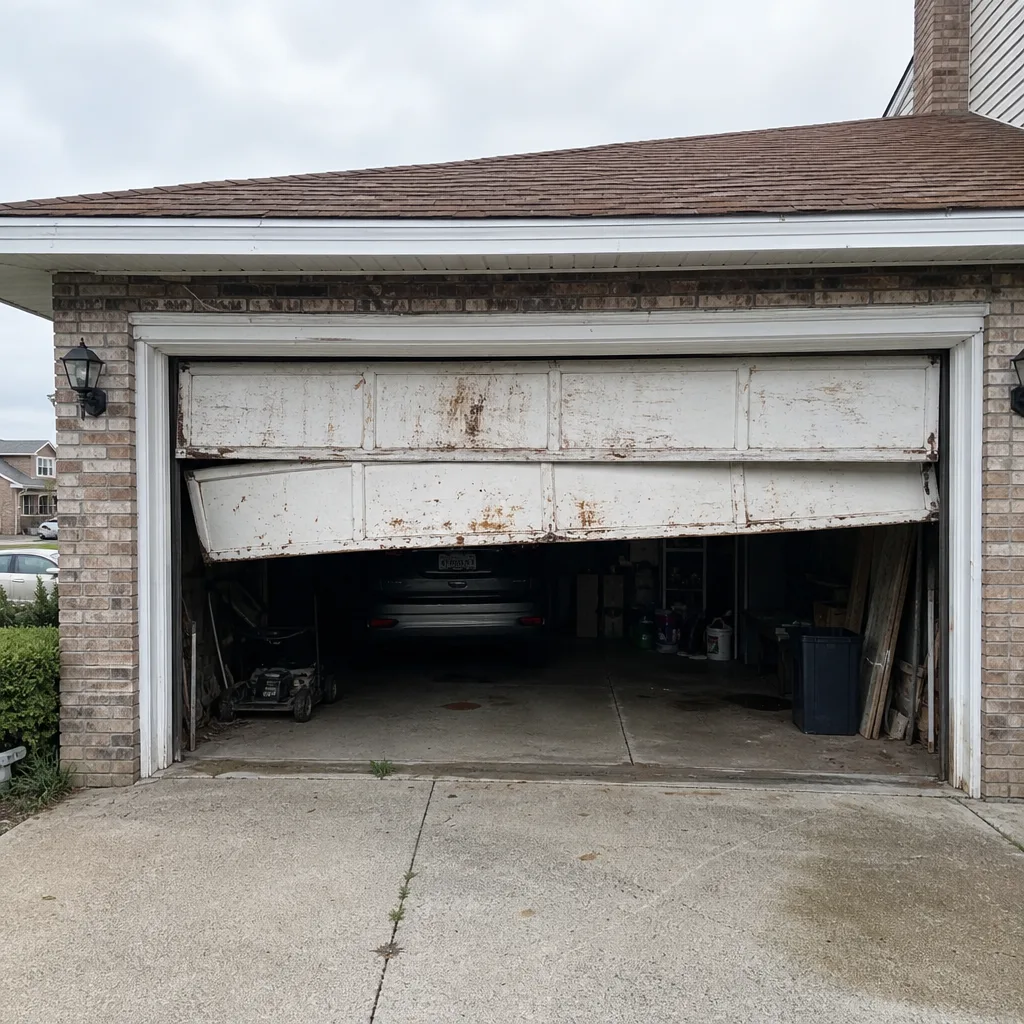 Before
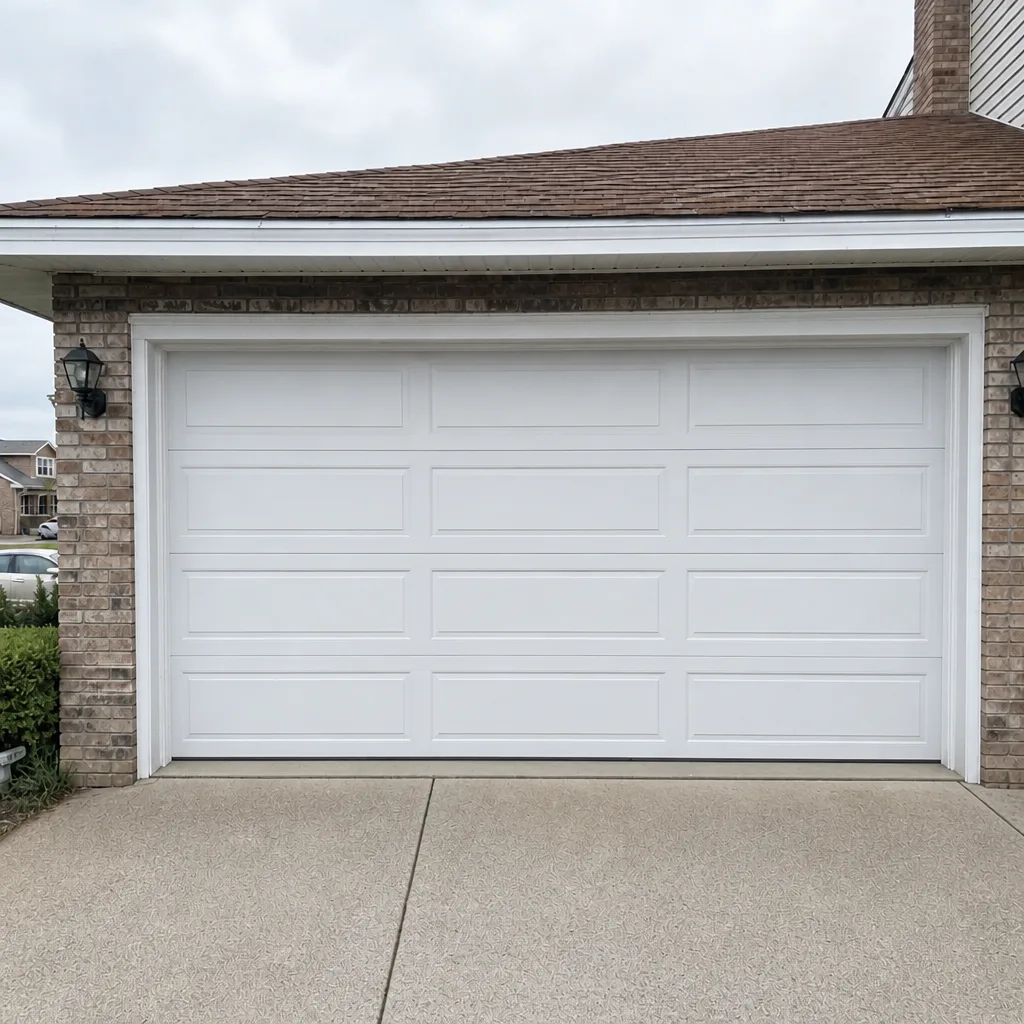 After
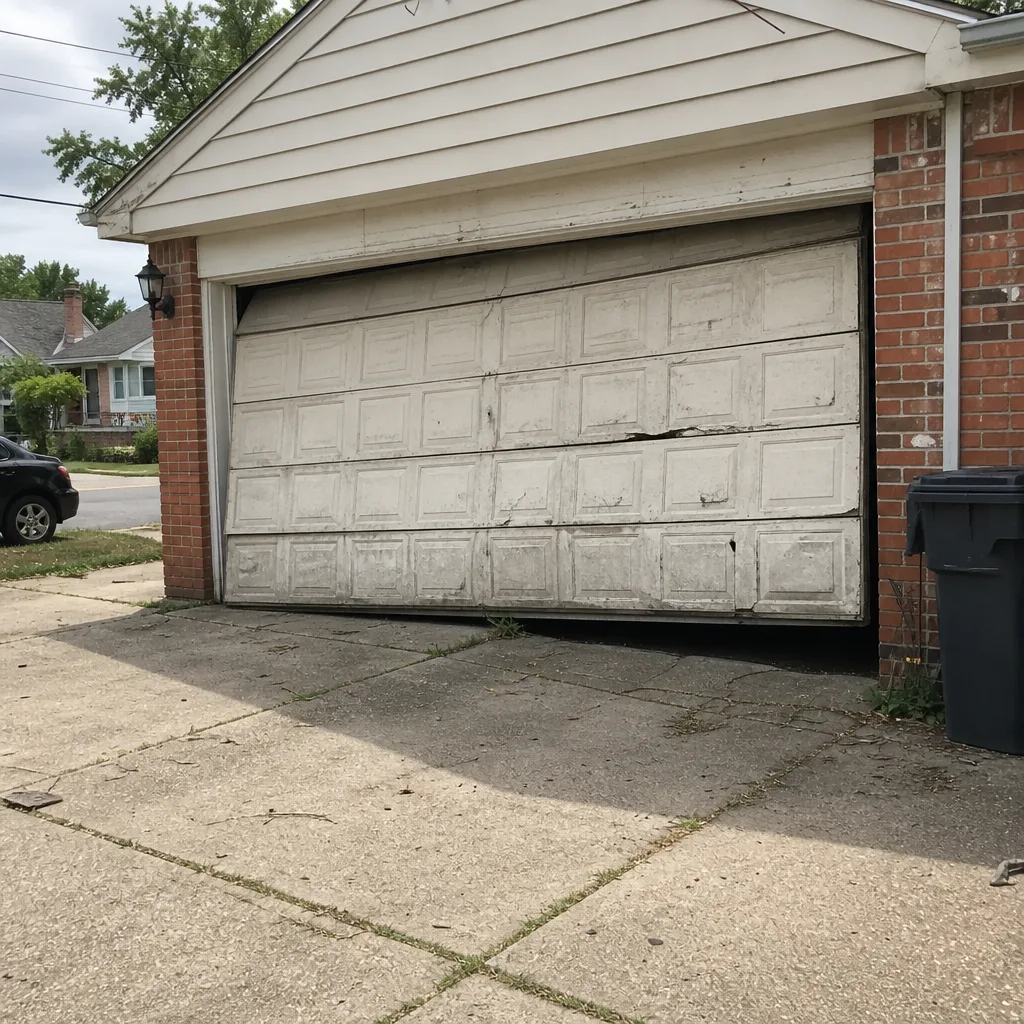 Before
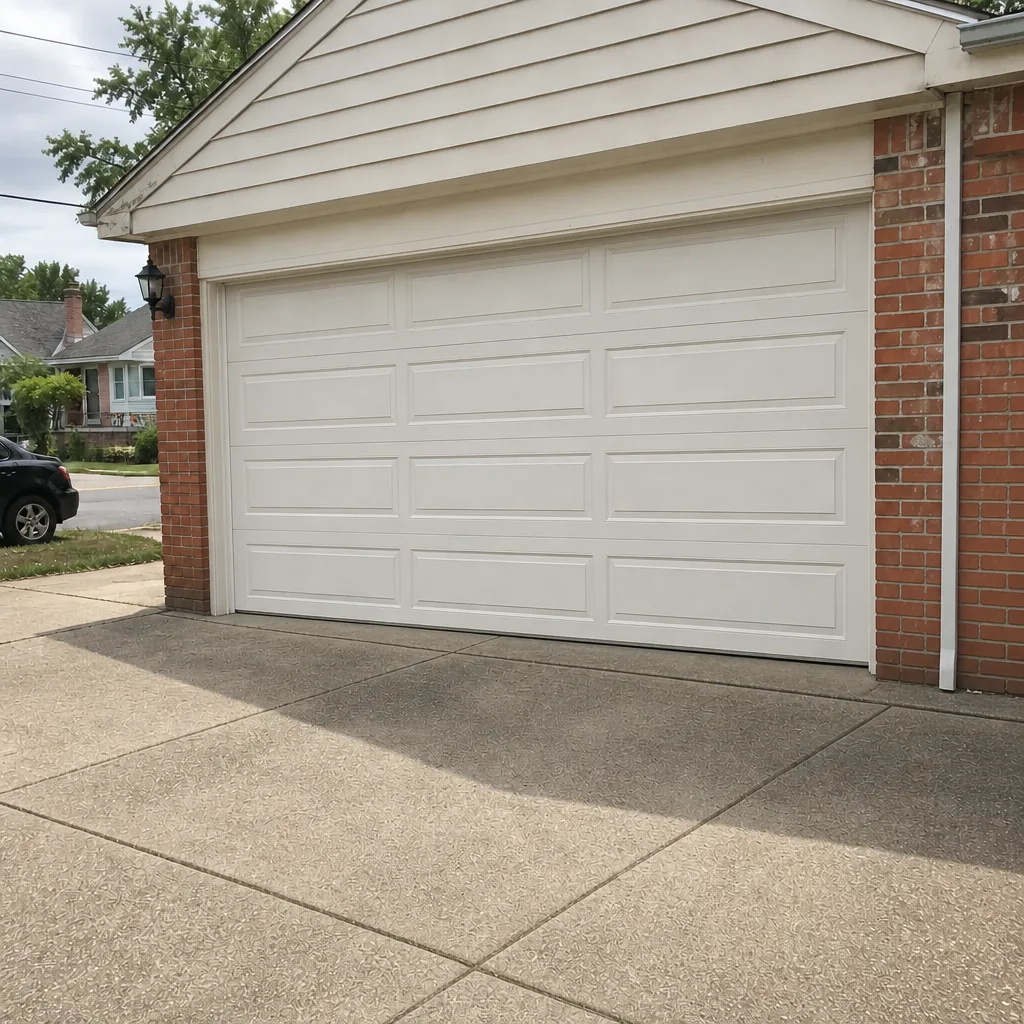 After
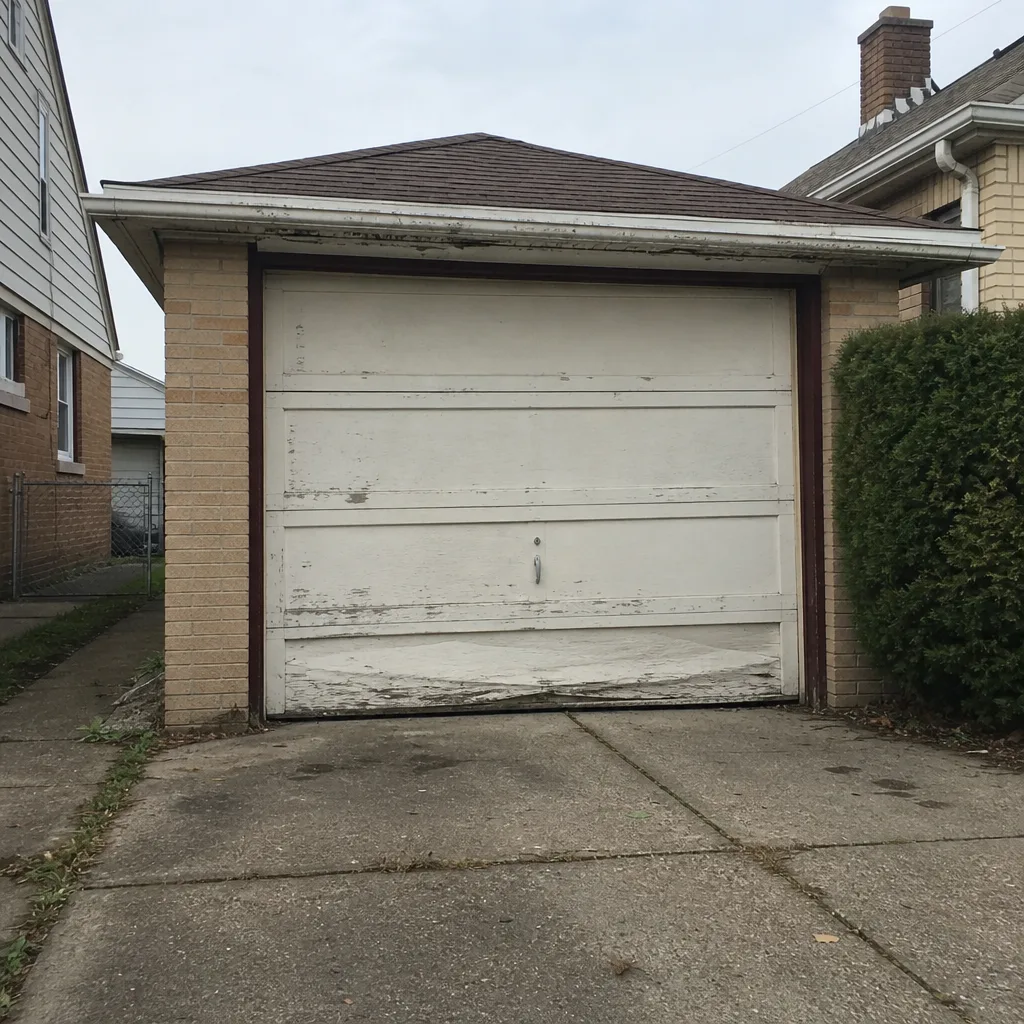 Before
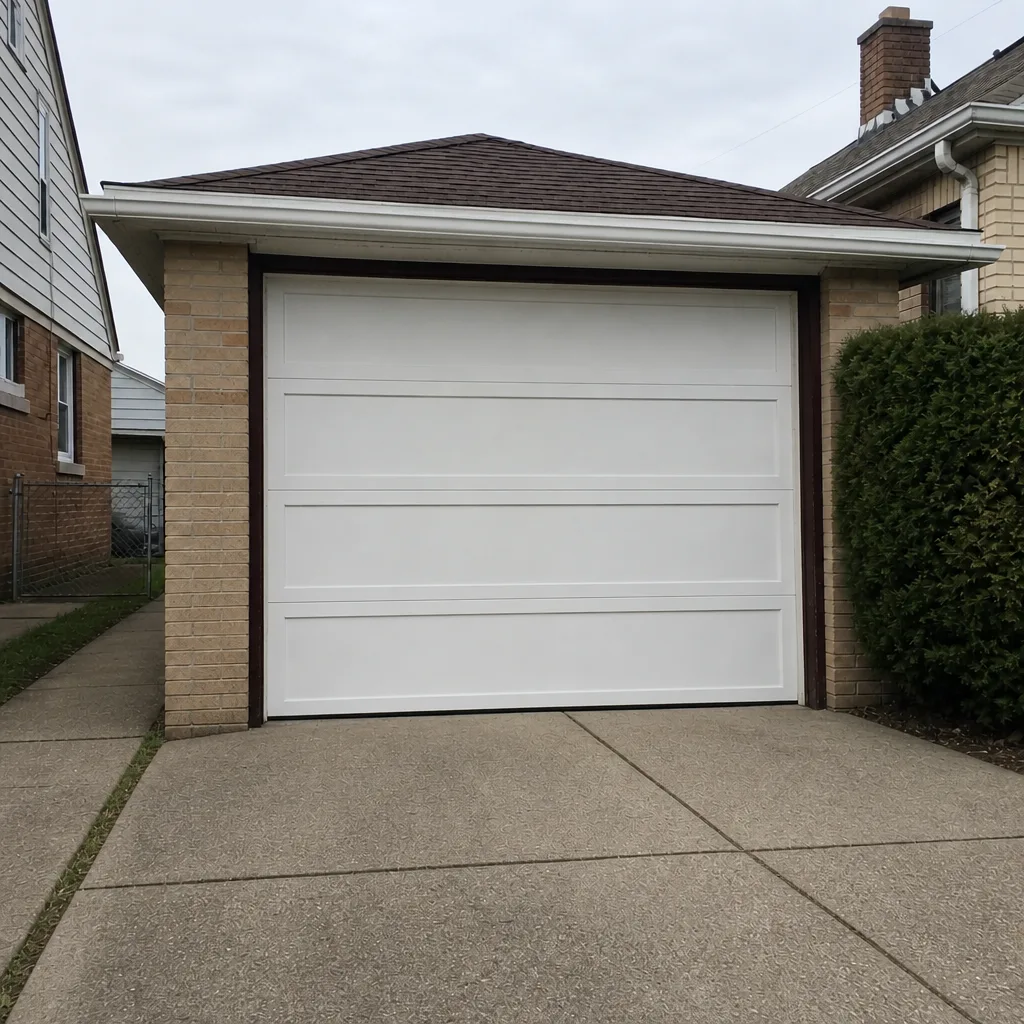 After
Common Mistakes to Avoid
- Pouring hot water on a frozen threshold. It melts the bond but leaves water that refreezes into an even harder bond overnight, and it can damage the seal. Clear the snow and let the door free itself, or call a technician if it’s stuck.
- Using WD-40 or grease as garage door lubricant. WD-40 evaporates and grease attracts grit that grinds pivots. Use a door-specific lubricant and reapply in fall before the cold.
- Skipping the fall inspection because the door “worked all summer.” Summer tells you nothing about how a door will handle freeze-thaw. The bottom seal, cables, and hinges need to be checked before the first freeze, not after the first failure.
- Ignoring a small bend in the track. A track that’s slightly out of alignment will wear the rollers and can cause the door to bind and jump. It’s cheaper to fix early than after a roller fails.
- Forcing a strained opener on a cold morning. If the opener is straining to lift, the door is likely frozen or the springs are weak. Repeatedly forcing it stresses the opener’s gears and circuit board.
- Putting off a wood door’s summer touch-up. Bare wood edges absorb Dearborn’s summer humidity first. A touch-up in June prevents swelling in August.
- Replacing the whole door when a repair would do. A door that’s out of balance or has a worn bottom seal is often a repair job, not a replacement. Ask for a diagnosis before you start pricing a new door – Forthright means we tell you what’s wrong and what it will cost before any work starts.
When to Call a Professional
Some seasonal issues need a trained eye and a technician’s tools, not a homeowner’s to-do list. Call a professional if you find a frayed or kinked cable, any sign of a weakening or broken spring, a door that has come off its track, an opener that strains or acts erratically, or a door that froze to the floor and won’t release cleanly. These are the situations where trying to fix it yourself can turn a simple repair into a much bigger one. And if you’ve been getting the runaround on pricing from another company, that’s exactly the situation we want to correct. At Forthright Garage Door Repair, we diagnose the problem, explain it in plain English, and give you a written price before any work starts. Our technicians have up to 11 years of experience, and our free estimates in Dearborn make it easy to find out what your door actually needs. Call (833) 454-5390 to book a free estimate. We answer 24/7. Fast dispatch from 7am to 7pm, Sunday through Friday.
Frequently Asked Questions
Road salt brine is the usual cause. Salt-laden water collects at the threshold and freezes into a hard bond overnight. Replace a worn bottom seal before winter, keep the threshold clear with a stiff broom, and don’t force the door if it sticks. Call (833) 454-5390 if a frozen door won’t release – estimates are free.
The most important task is a thorough fall inspection before the first hard freeze. Checking the bottom seal, cables, hinges, spring condition, balance, and safety reverse in October is what prevents most winter failures. Once the ground is frozen, every small issue becomes a bigger one. Call us to book a fall inspection – estimates are free.
Twice a year works well: once in fall before the cold and once in spring after the thaw. Use a garage-door-specific lubricant on hinges, roller stems, and the spring coil, not WD-40 or grease. If you notice grinding or squeaking between those visits, lubricate again. Call (833) 454-5390 if the noise doesn’t go away.
Yes, over time. Humidity condenses on the opener’s circuit board, and on older units that can cause intermittent behavior – the door stops halfway, the remote works inconsistently, or the opener beeps and does nothing. If your opener acts up on humid days, have it checked. Our opener repair team handles LiftMaster and Chamberlain boards, among others.
Yes, replacing a bottom seal is a reasonable DIY task on most doors, as long as no cables or springs are involved. It’s the safest garage door maintenance job for a homeowner. If the seal replacement turns up frayed cables or a damaged bottom bracket, stop and call us – those parts are under tension and need a trained technician.
Yes, our technicians are licensed and insured, and the written estimate you get before work starts is the price you pay. We diagnose first, explain the problem in plain English, and quote the repair. If the scope changes, we tell you before we do anything. Call (833) 454-5390 for a free estimate – we answer 24/7, with fast dispatch from 7am to 7pm, Sunday through Friday.
The Bottom Line
Dearborn’s garage door season isn’t the generic four-season template. Road salt brine, freeze-thaw cycles, and humid summers create a specific failure order: bottom seals and cables first, springs and rollers on the coldest mornings, wood components and opener boards in July humidity. Get ahead of the first freeze with a full fall inspection, keep the threshold clear all winter, run a spring check on the parts that took the cold, and touch up wood and check the opener in the humid months. Most of this is checks you can do yourself. The parts that matter – springs, cables, brackets, opener electronics – belong with a technician. We’re the no-surprises alternative to the runaround quote. If you want a straight answer about what your door needs, our team at Forthright Garage Door Repair is glad to help.
Call (833) 454-5390 for a free estimate in Dearborn. We answer 24/7. Fast dispatch from 7am to 7pm, Sunday through Friday. Compatible with the system you already have – including LiftMaster, Chamberlain, Craftsman, and Raynor – and garage doors only, so every visit is handled by a specialist.
Written by the team at Forthright Garage Door Repair.