
Last updated November 15, 2026
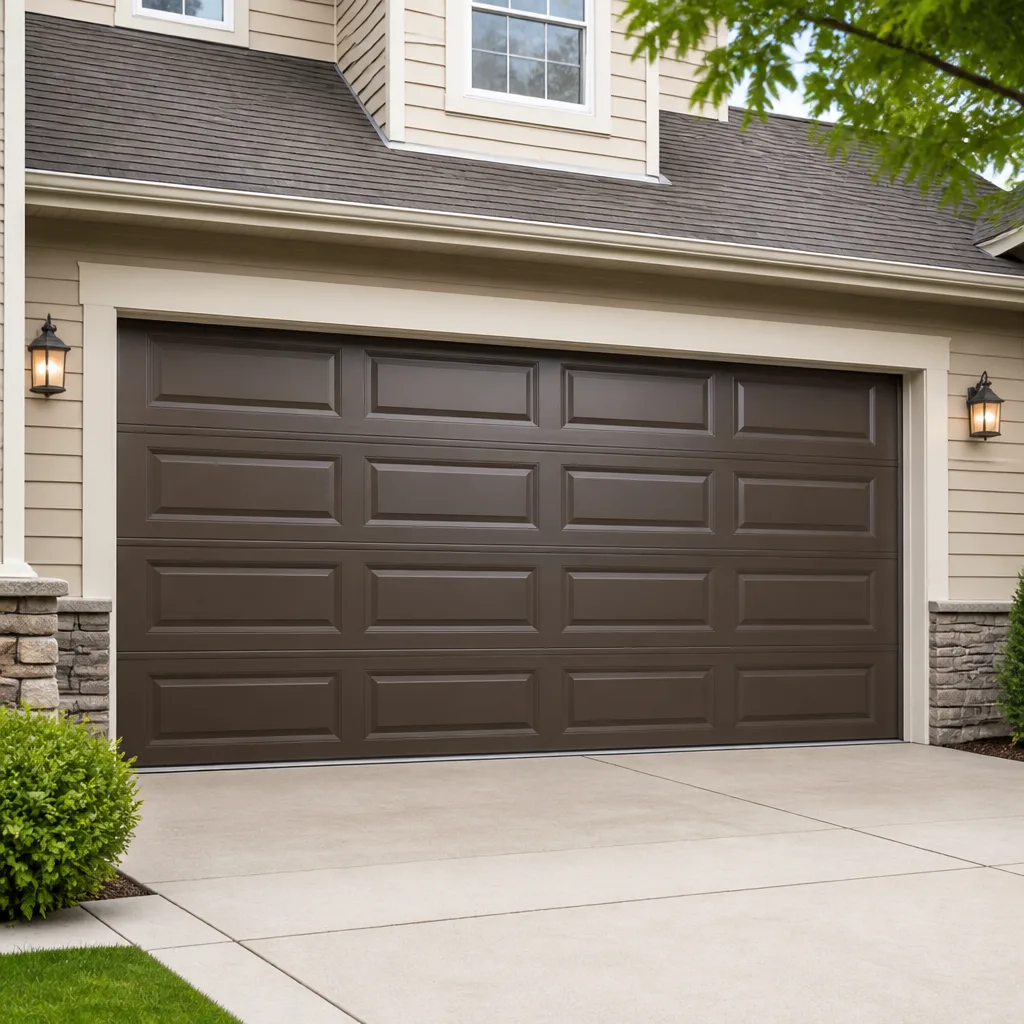 Raised-panel steel
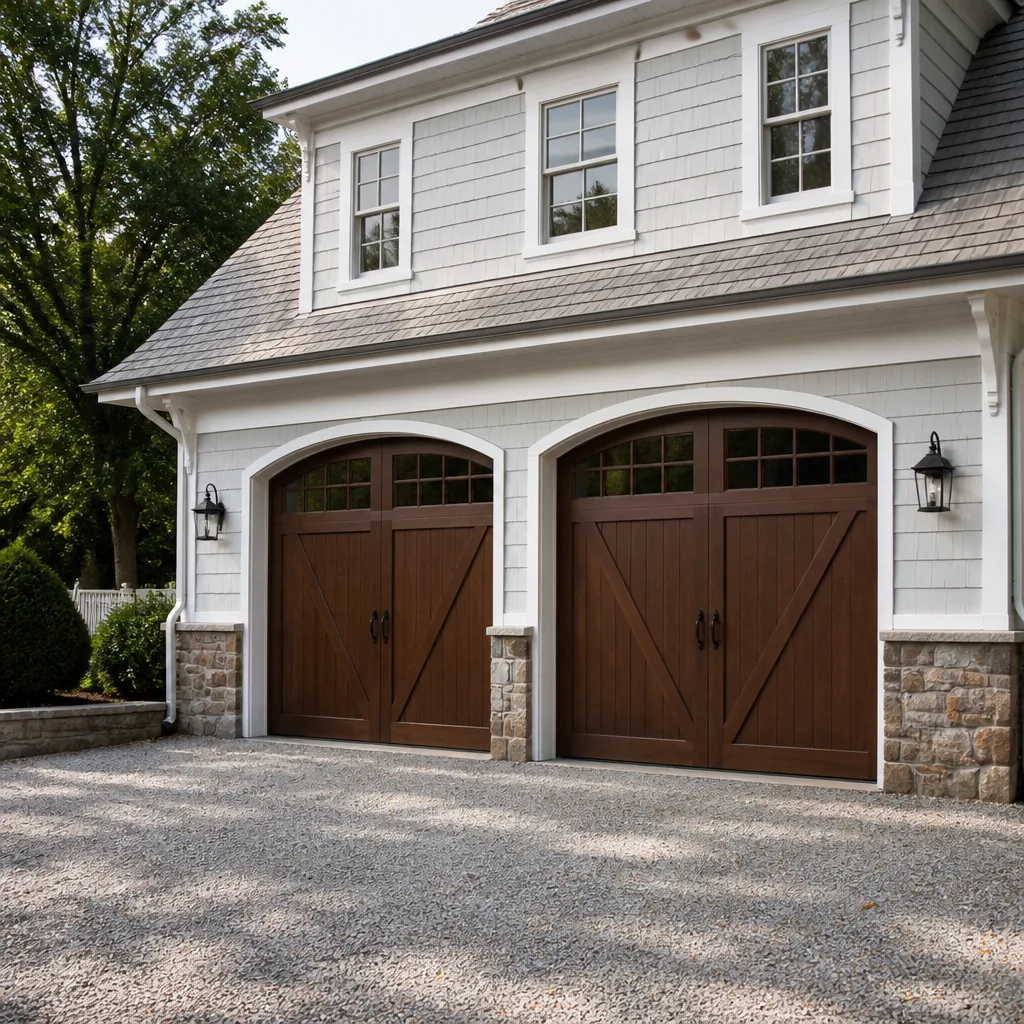 Carriage house
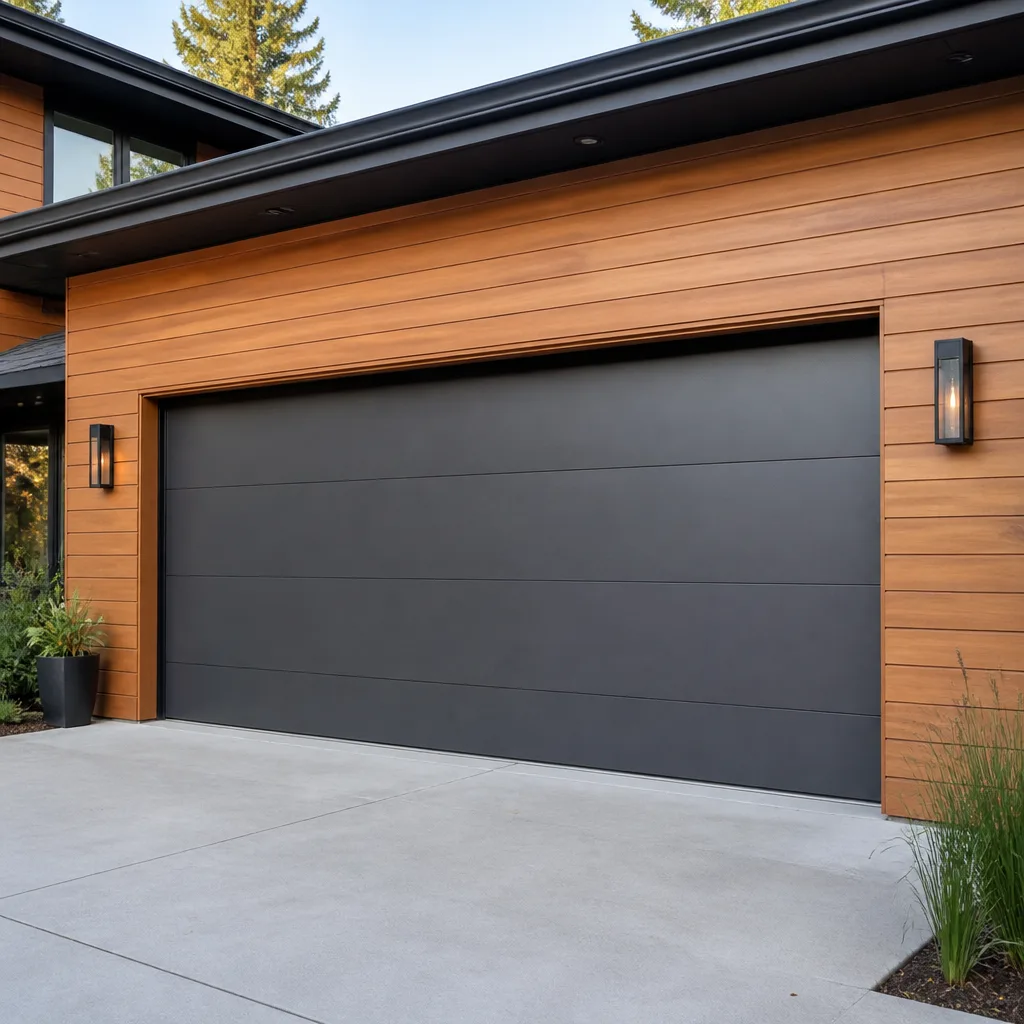 Modern flush
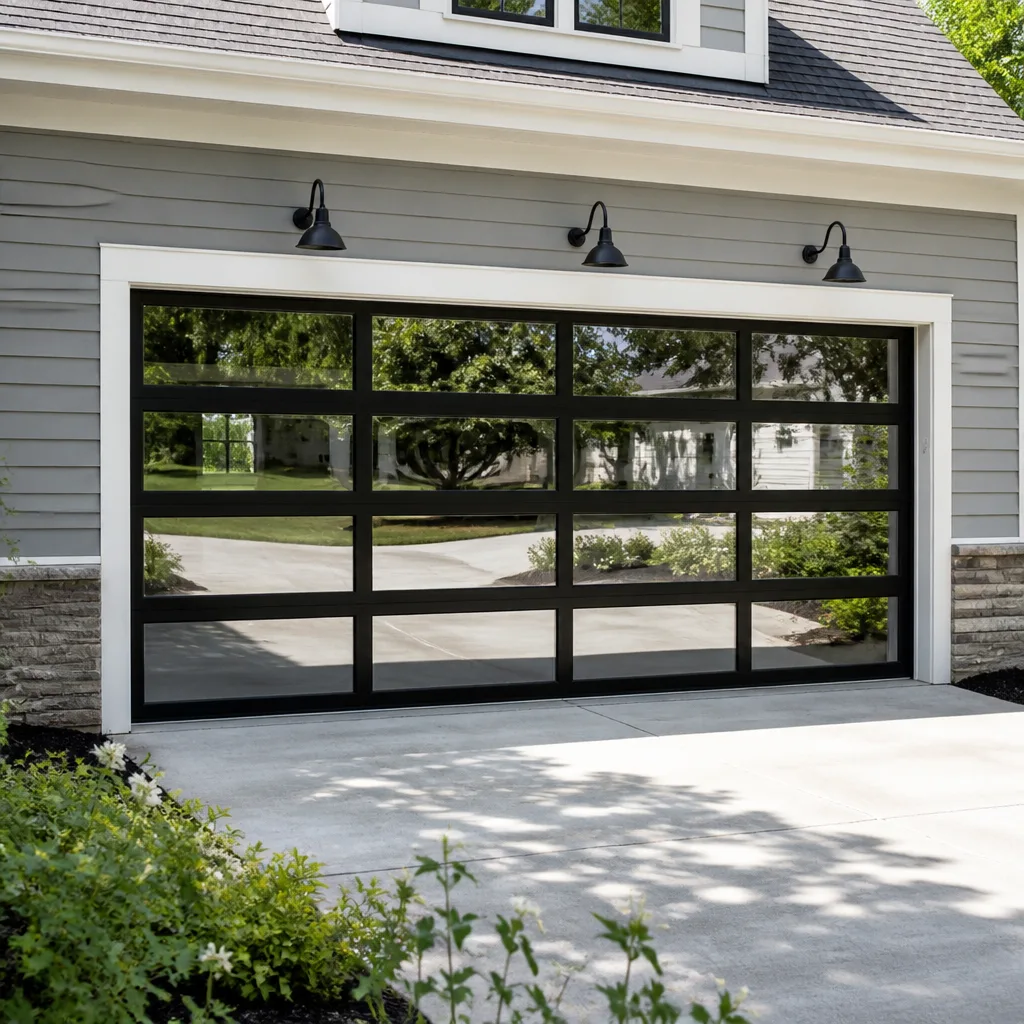 Full-view glass
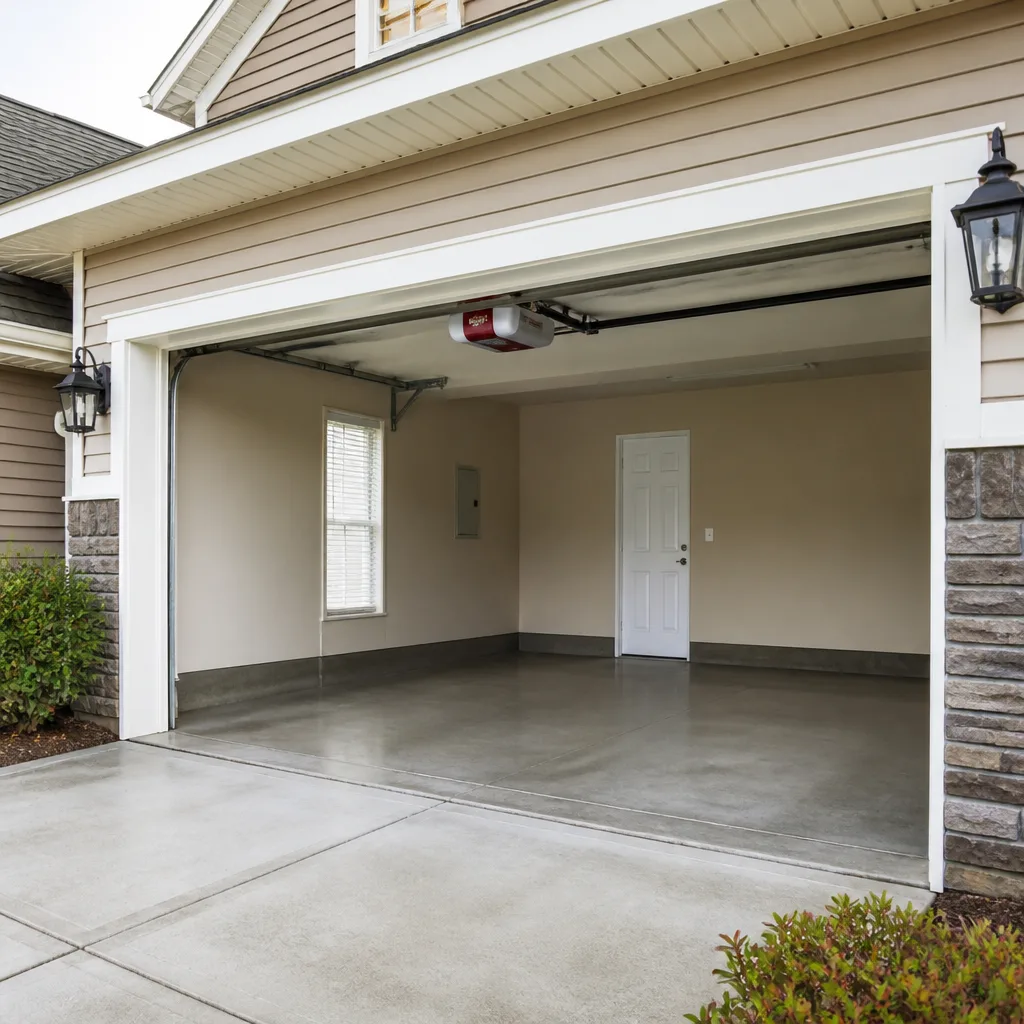 LiftMaster openers
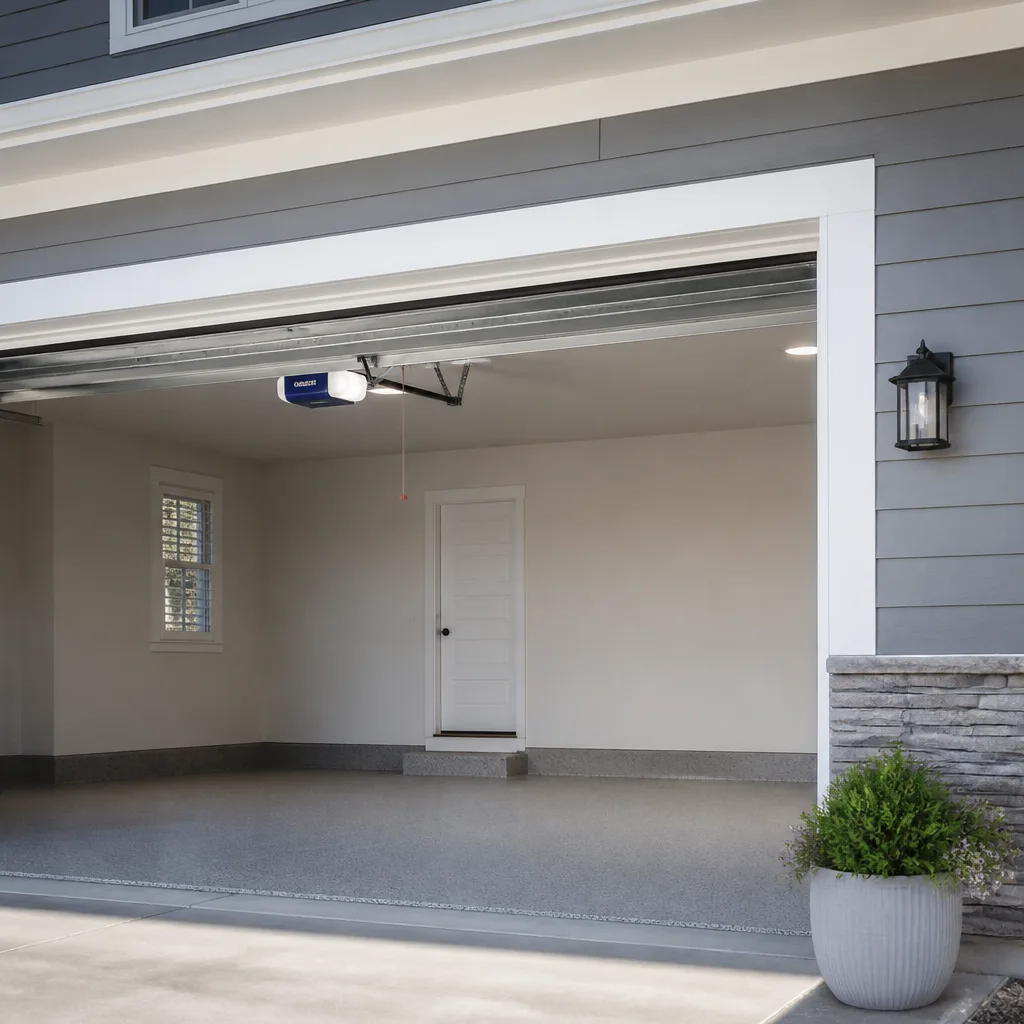 Chamberlain openers
Full 25-point door and opener safety check with every visit - springs, cables, rollers, tracks, and your LiftMaster or Chamberlain opener included
You get a price before we start. It does not change when the pro arrives.
Get your free estimateGarage Door Permits, Codes & Inspections in Dearborn, MI: What You Need to Know
Most homeowners in Dearborn assume that replacing one garage door with another door of the same size never needs a permit. That assumption is wrong often enough to cause real trouble at closing. When a home sells and the buyer’s inspection turns up an unpermitted garage door replacement, the liability usually lands on the homeowner who owns the house at the time of the sale, not on the contractor who did the work years earlier. That’s a hard reality, and it’s the reason this guide exists. Below we walk through what actually triggers a permit in Dearborn, when a repair is exempt, what a city inspection looks at, and how to handle work that a previous owner left unpermitted.
Quick Answer
In Dearborn, a simple replacement of a garage door or opener with a like-for-like unit typically does not require a building permit, but any work that changes the structural opening, adds new framing, alters the garage header, or involves new electrical circuits for an opener usually does. The only way to know for certain is to call Dearborn’s building department before work starts and describe the job. The permit obligation belongs to the homeowner, and skipping it can complicate an insurance claim or a future property sale.
Styles & brands we work with
- Raised-panel steel
- Carriage house
- Modern flush
- Full-view glass
- LiftMaster openers
- Chamberlain openers
Table of Contents
- Why Garage Door Permits Matter in Dearborn
- When Does a Garage Door Job Need a Permit in Dearborn?
- When Is a Garage Door Repair Exempt?
- What a Dearborn Building Inspection Actually Examines
- How Unpermitted Work Affects Insurance and Home Sales
- What to Do If a Previous Owner Left Unpermitted Work
- How to Prepare for Your Inspection: Step by Step
- Common Mistakes to Avoid
Why Garage Door Permits Matter in Dearborn
A permit is not paperwork for its own sake. It’s the city’s way of confirming that structural changes to a home are safe, that electrical work meets code, and that the record of your property matches what’s actually standing on it. In Dearborn, where a large share of the housing stock dates to the mid-twentieth century, that record matters. Older homes often have garage openings that have been modified, re-framed, or extended over the decades, and each of those changes has a paper trail the city wants to see.
Homeowners tend to think of the contractor as the one accountable for permits. That’s not how it works. In Michigan, the permit applicant is the property owner, even when the contractor files the application on the homeowner’s behalf. If the contractor skips the permit and the work is later flagged, the homeowner carries the exposure. Full stop.
Permits also protect you on the front end. A permitted job gets inspected, and an inspection catches things that a quick visual check won’t: inadequate header support after a wider opening was cut, an opener improperly wired to a circuit that can’t carry it, or a spring system installed with the wrong anchor hardware. Those problems aren’t cosmetic. They’re the ones that fail at the worst moment.
We keep permits in plain view at Forthright Garage Door Repair because that’s what the name means. Forthright Garage Door Repair tells homeowners up front whether their job is likely to need a permit, and we don’t start work until that question is settled. If a job doesn’t need a permit, we say so and get on with the repair. If it does, we help the homeowner understand what the city will ask for before anyone touches a torsion spring.
When Does a Garage Door Job Need a Permit in Dearborn?
Dearborn follows the Michigan Residential Code for one- and two-family dwellings, which governs most garage construction and alteration work. The code treats a permit as required whenever work is structural or alters the building’s electrical, mechanical or plumbing systems. A garage door opening is part of the structural envelope of the house, so any change to its size, support, or framing is squarely a permit event.
These triggers almost always mean a permit in Dearborn:
- Changing the size of the garage door opening, including widening or heightening an existing opening.
- Adding new framing or a new header above the door opening to support a heavier door or a different track configuration.
- Converting a garage door to a different type, such as a carriage-style door that requires different framing and track geometry.
- Running a new electrical circuit or moving an existing one to power a new opener or an added safety sensor.
- Adding a new door to a garage that didn’t previously have one, which typically requires cutting new framing and a new opening.
- Any work that alters the structural integrity of the garage walls or header, including repairs where rot or termite damage has compromised the framing.
The specific rules can change from year to year, and Dearborn’s building department interprets the code for local jobs. The safest call is a phone call to the building department before work begins, describing the job in plain terms: what’s being replaced, what’s staying, and whether any framing is coming out. Those three answers usually settle it in a minute or two.
We’ve walked hundreds of homeowners through this conversation. The answer is almost never “you definitely need a permit” or “you definitely don’t.” It’s usually “here’s what your job involves, and here’s what the city will want to see.” That’s the honest version, and it’s the one we give before any signed estimate goes out.
When Is a Garage Door Repair Exempt?
A repair is different from an alteration. When a spring snaps, a cable frays, a roller fails, or a panel gets dinged, the door stays in the same opening and the structure of the garage doesn’t change. That kind of work is typically exempt from a building permit in Dearborn because it restores the door to its original condition rather than changing the envelope.
These jobs are usually permit-exempt:
- Replacing one or both torsion springs on the existing door and track.
- Replacing cables, drums, or hinges on the existing system.
- Replacing rollers or bottom seals where the door stays mounted in the same opening.
- Swapping an opener for a like-for-like unit on the same electrical circuit, without adding new wiring.
- Minor panel repair or straightening on a steel door where the framing and opening stay intact.
- Replacing a photo-eye set or wall button on the existing opener wiring.
The line between “repair” and “alteration” gets tested when damage goes beyond the door itself. Water infiltration, rot in the framing, or a bent track after a car strike can turn what looks like a simple repair into structural work. In that case the job moves into permit territory, and it’s smart to treat it that way rather than installing a new door over compromised framing.
We tell every homeowner the same thing: the answer depends on what we find when we open the system up. For a routine spring or roller job in Dearborn, no permit is involved. For anything that touches the framing or the electrical box, the homeowner and the city decide together before the work starts. See our garage door repair page for the repair scope we handle, and if you’re just replacing the motor, the garage door opener repair page covers what a swap typically involves.
What a Dearborn Building Inspection Actually Examines
If a permit is pulled, the city sends an inspector to look at specific things. The inspection is not a general pass-fail on your whole garage. It’s targeted at the permitted scope. That’s useful to know, because it keeps the inspector focused and it tells you what to prepare.
A typical garage door inspection looks at:
- The header and framing. The inspector checks that the opening is properly supported for the load of the door and that the framing meets the plan submitted with the permit.
- Fastening and anchoring. Springs, tracks, and brackets must be mounted to solid material with the correct hardware. Anchors into sheathing alone are a common failure.
- Electrical connections. If the opener circuit is part of the scope, the inspector checks that it’s on its own circuit, properly grounded, and terminated correctly at the junction box.
- Safety features on the opener system. If the opener is new, the inspector confirms that the photo-eye sensors and the force-setting are functioning.
- Clearances and egress. The door must clear the opening without interfering with the wall or floor, and the opening must not block required egress.
- Headroom and track clearance. This matters for high-lift or low-headroom configurations, which are common in older Dearborn garages.
Inspectors usually want the door to be operable at the time of the visit. Have the area under and around the door cleared and, if the opener is new, leave the manual where the inspector can see the model information. Most inspections for a straightforward replacement go quickly. Inspections for a framing change take longer and often require a rough-in visit before the finished work goes up, then a final inspection after.
If something fails inspection, it’s usually a small correction rather than a tear-out. A missing anchor, a clearance issue, a ground wire not landed correctly. Corrections get made and reinspection wraps it up. The expensive version is discovering the failure years later when a buyer’s inspector finds it during a sale.
How Unpermitted Work Affects Insurance and Home Sales
Homeowner’s insurance questions about garage doors usually come down to one thing: was the work done correctly and inspected if it needed to be? Insurers don’t require a permit for a spring replacement. But if a claim arises from a structural or electrical change that should have been permitted and wasn’t, the insurer is entitled to ask questions about how the work was done and who did it.
The practical effects to know about:
- Claims can be investigated more slowly when the work that failed wasn’t permitted or inspected, because the insurer has to determine whether the loss is covered.
- Coverage can be disputed if the insurer concludes the loss stems from work that didn’t meet code and was never inspected.
- Real estate transactions get complicated in Wayne County when a buyer’s inspector flags unpermitted structural work. Buyers and their lenders can and do ask for documentation.
- The homeowner, not the original contractor, generally handles disclosure at the time of a sale. That’s the part most people don’t see coming.
The impact of a closed permit is straightforward: you have a piece of paper proving the city looked at the work and approved it. That paper shortens the conversation at a sale and keeps the insurer from needing to circle back. It’s the cheapest insurance in the whole transaction, and it costs almost nothing to obtain relative to the door itself.
We get asked about this specifically from homeowners listing their Dearborn property or in the middle of a refinance. The recommendation is always the same: check the permit history for your address before listing. It’s easy to do and it removes a nasty surprise from a stressful moment. For more on what the city offers across the area, see our Dearborn page.
What to Do If a Previous Owner Left Unpermitted Work
You bought the house with a garage door that looks fine. Years later you find out the replacement was never permitted. That’s not a crisis, but it does need a plan. The good news is that unpermitted work is usually fixable through the city, and the process is more routine than most people expect.
Here’s how to handle it:
- Pull the permit history for your address. Dearborn’s building department can tell you what permits were issued and which were closed. Some homes have a clean history; others have partial records that will need reconciling.
- Have the work reviewed. A garage door specialist can look at the door, the framing, the opener wiring, and the anchoring to assess whether the installed work meets current code. If it does, the path is usually a permit application to confirm what’s already there.
- Apply for a permit to legalize the existing work. The building department will tell you what it needs. Often that’s a site review, drawings for the existing framing, and a final inspection. Some cities require the door to be brought up to current code, which may mean small corrections.
- Complete any corrections the inspector flags. That’s typically anchoring, safety hardware, or an electrical fix. Once corrected, the inspector closes the permit and the work is documented.
- Keep the paperwork. Store the closed permit with your closing documents. It’s the record that protects you at resale.
What you shouldn’t do is ignore it. Unpermitted work that sits on a property for years doesn’t age into a permitted status. It just becomes a bigger question when the property sells. A little attention now saves a negotiation later.
How to Prepare for Your Inspection: Step by Step
If you’ve pulled a permit and the inspection is scheduled, a little preparation goes a long way. Inspectors aren’t looking to fail you. They’re checking the specific items on the permit. Make those items easy to see and the visit goes quickly.
- Clear the garage floor and the driveway apron. The inspector needs to see the full travel of the door and the anchoring at the floor.
- Have the door in working condition. Cycle it once before the visit so you know it operates. If it doesn’t, that’s a fail on its own.
- Leave the opener manual visible if a new opener was installed. The inspector may want to see the model and the force-calibration instructions.
- Make sure the electrical panel is accessible if new wiring was run. The inspector will want to confirm the circuit and the breaker.
- Keep the permit card on site. Some cities require the permit to be posted or produced on request.
- Have your contractor’s contact available. Most inspections don’t need the contractor present, but it helps to have the number on hand if a question comes up.
If the work involved a structural change, expect two inspections: a rough-in before the finished door goes up, then a final. Coordinate the schedule with your installer so the door isn’t hanging while the framing is still being reviewed. That’s an avoidable delay.
Common Mistakes to Avoid
- Assuming a like-for-like replacement is always permit-exempt. Usually it is, but not if the framing or electrical scope changes. Dearborn’s building department can settle it in a short call.
- Letting the contractor carry the permit question alone. The permit obligation belongs to the homeowner. Ask the contractor directly whether the job is permitted and get the answer in writing before the work starts.
- Replacing the door over compromised framing. Rot, water damage, or a bent header turns a repair into a structural job. Installing a new door over bad framing fails inspection and, worse, fails in service.
- Adding new opener wiring on a shared circuit. Openers want their own circuit. Sharing one with a garage fridge or a workshop outlet creates nuisance trips and code problems, especially in older Dearborn garages.
- Skipping the permit because the door “looks fine.” Appearance tells you nothing about what the inspector or a buyer’s inspector will find. If a permit is required, get it.
- Ignoring permit history before listing your home. Pull the address record early. Don’t wait until the buyer’s inspector asks.
- Trusting a general handyman with a structural garage door change. Garage doors are their own trade. Structural alterations need someone who does this work every day and knows how it will look to an inspector.
See the difference
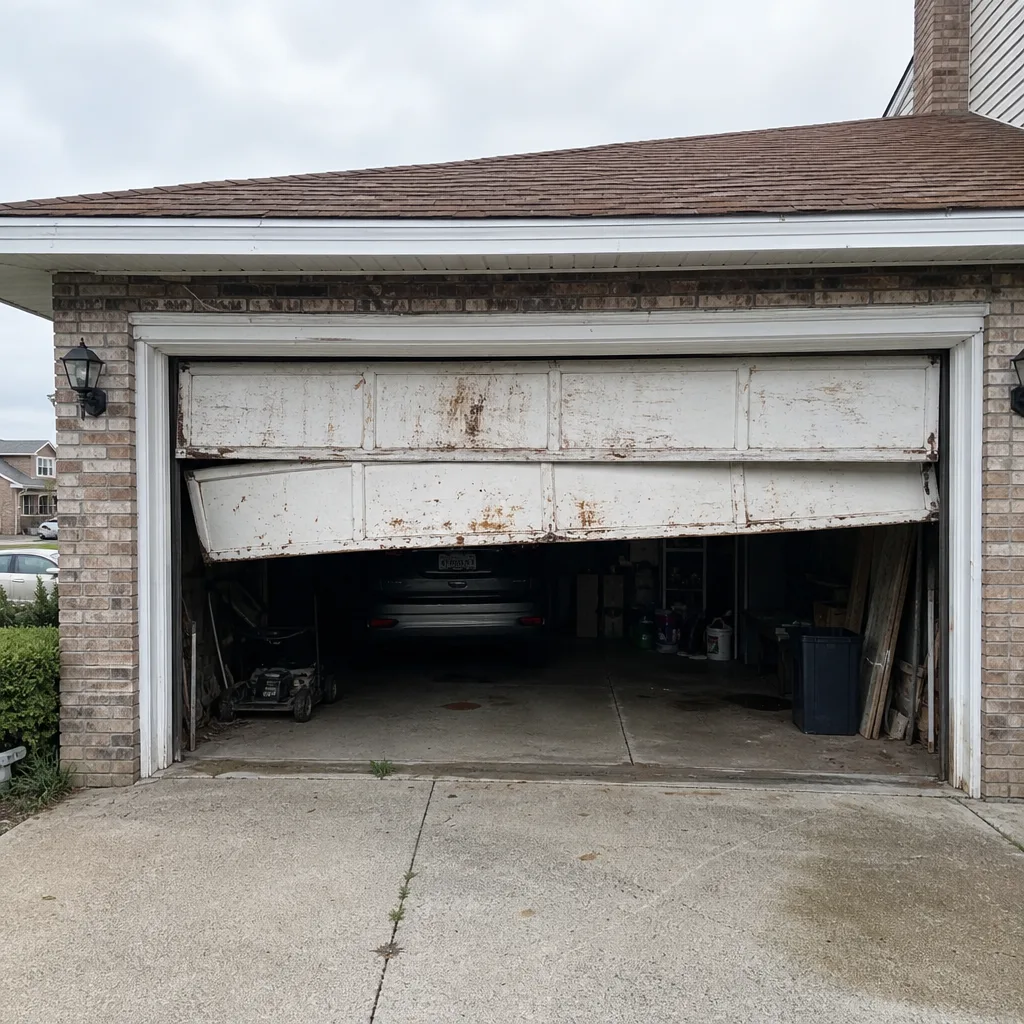 Before
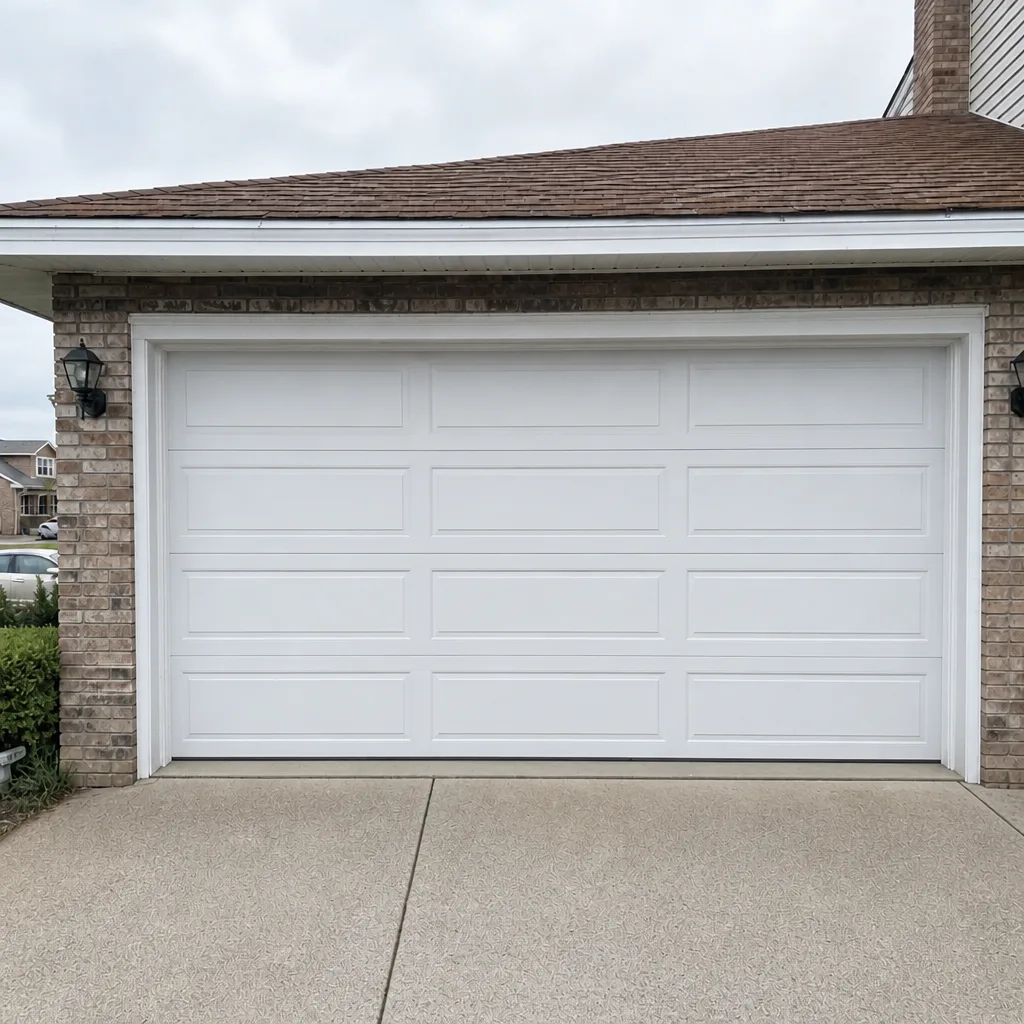 After
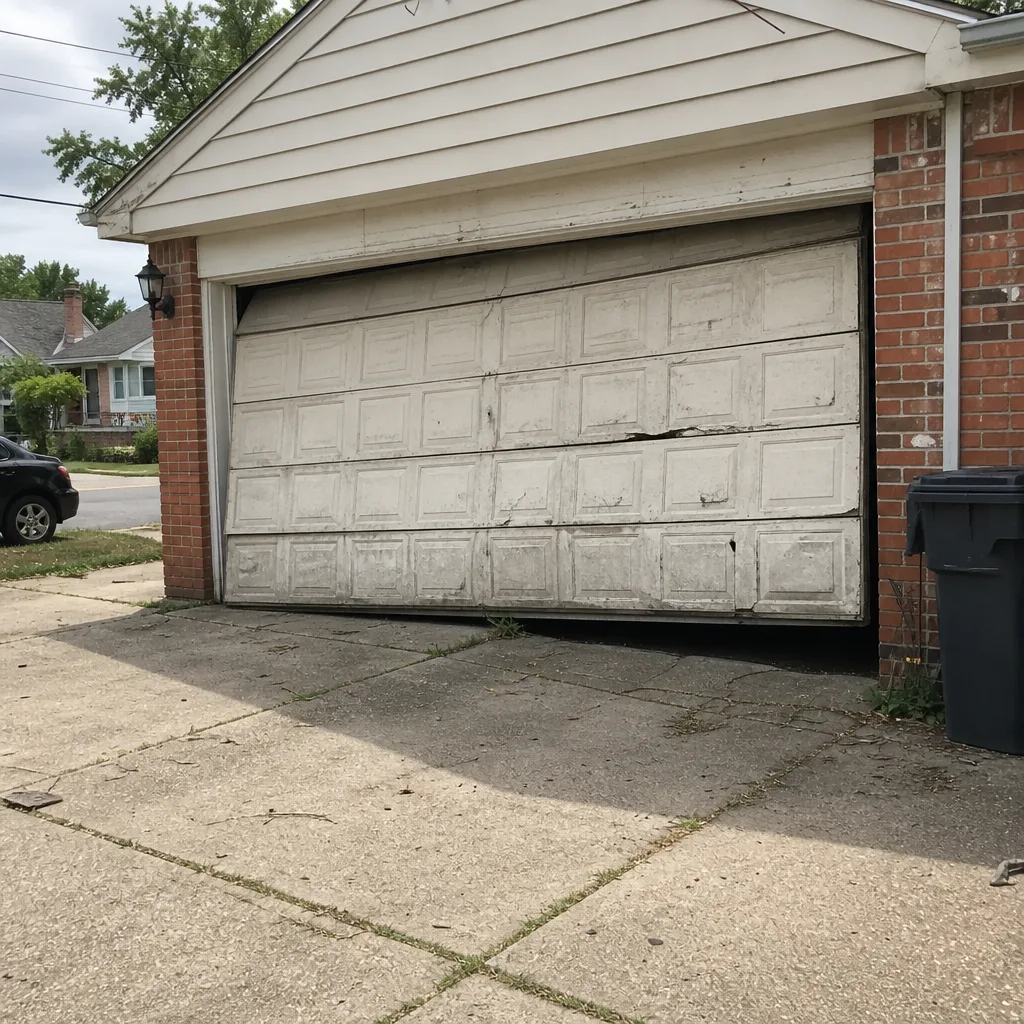 Before
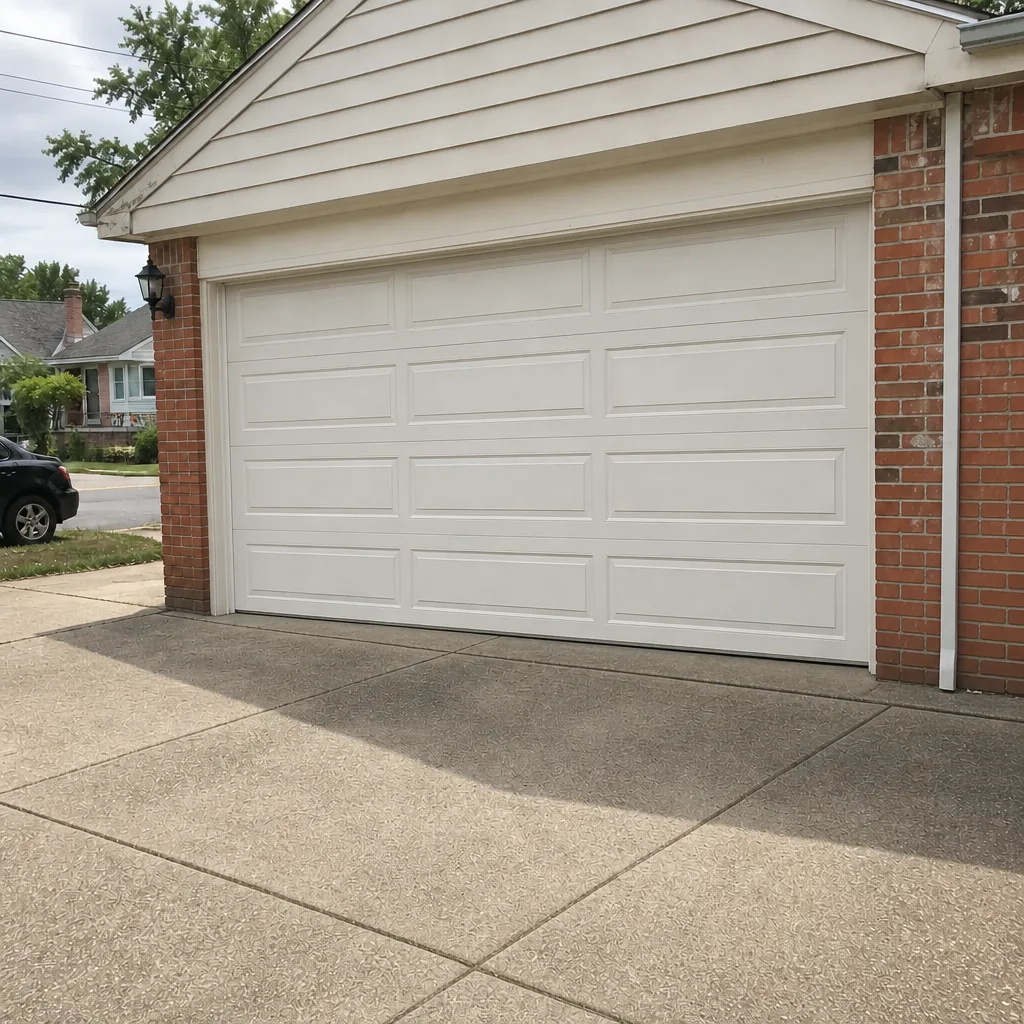 After
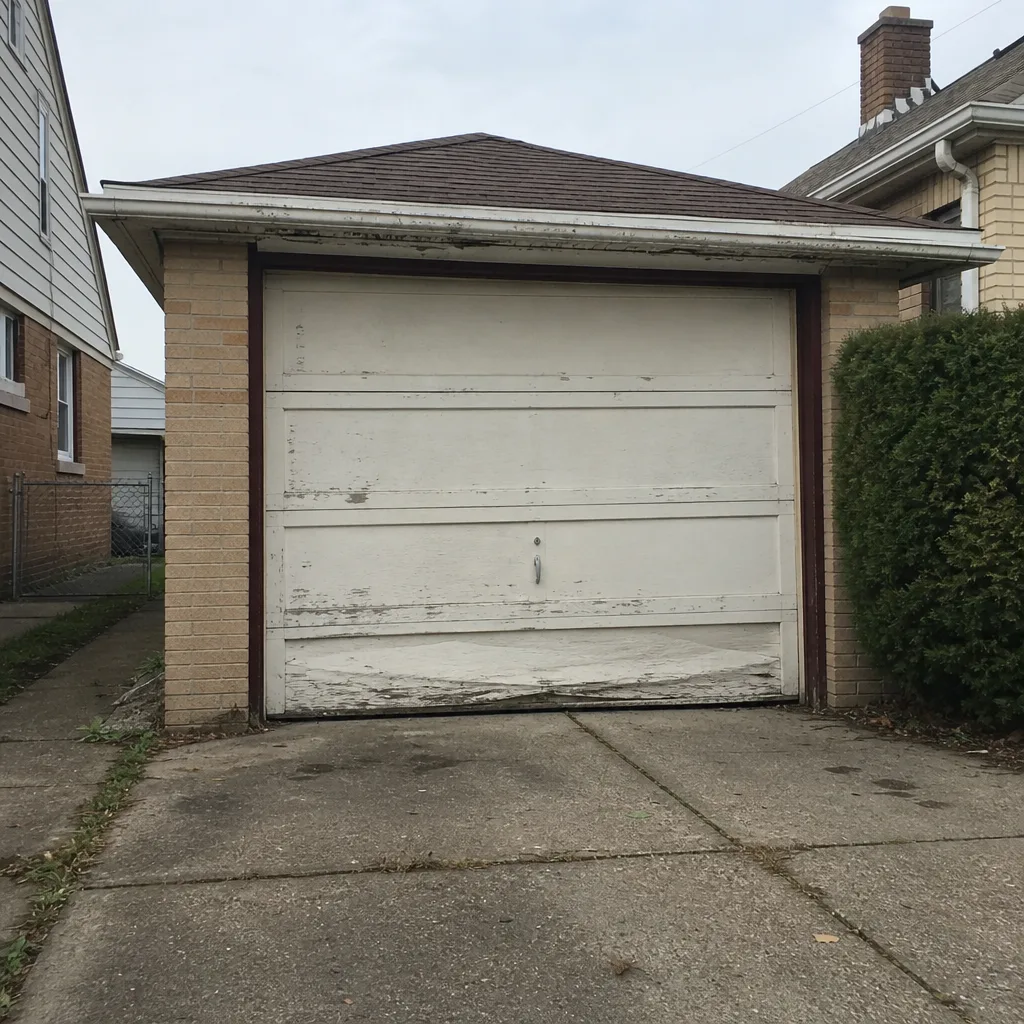 Before
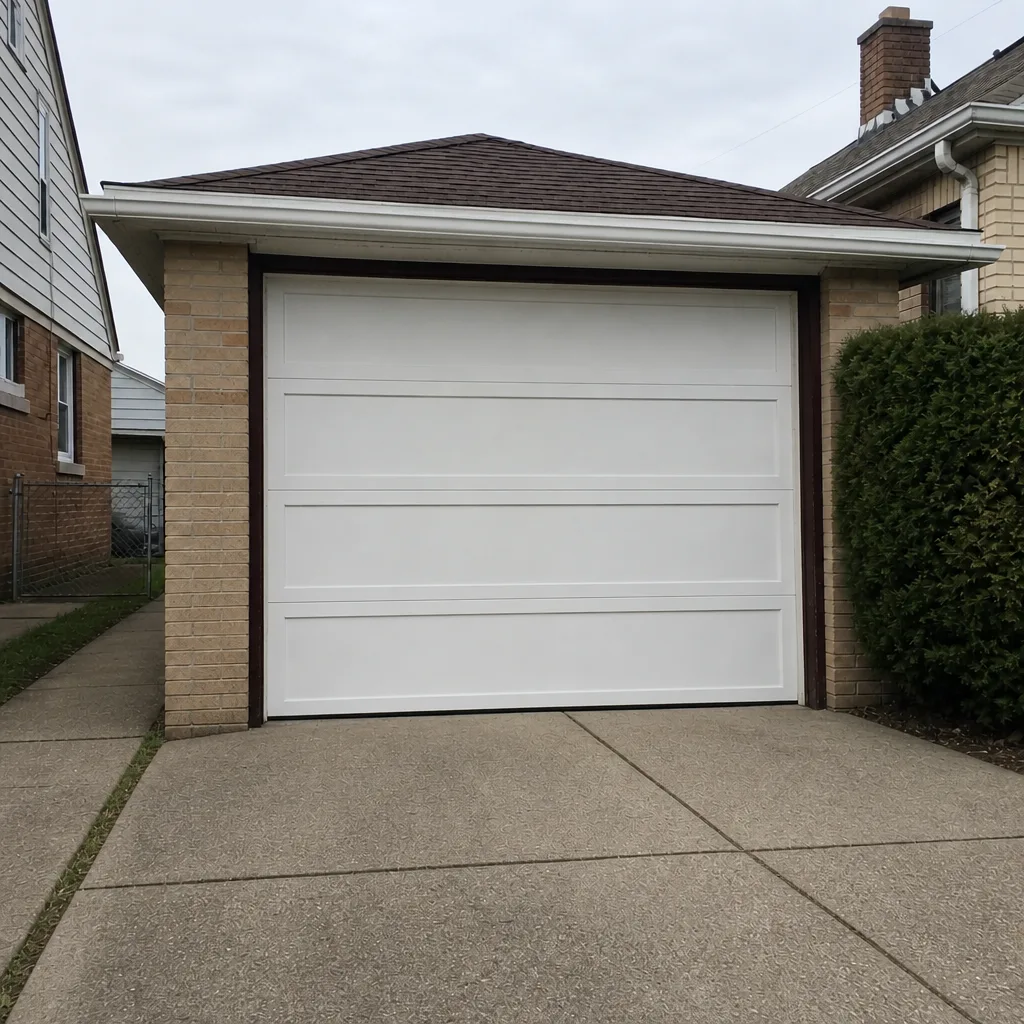 After
When to Call a Professional
Permit questions are one thing, and occasionally a homeowner can get the answer with a phone call to the city. The work itself is another matter. A torsion spring under load stores enough force to injure a person badly if it releases unexpectedly. Structural changes to a header or garage opening can cause the door to fail closed on a car or a person if the framing isn’t right. Electrical work at the opener circuit that isn’t grounded or terminated correctly is a fire risk, not an inconvenience. Those are the three situations where we tell people to stop and call a trained professional: any work involving the spring and cable system, any structural change to the door opening, and any new electrical circuit for an opener. For a permit issue, a scope question, or a repair you’re not sure how to classify, call Forthright Garage Door Repair at (833) 454-5390. Estimates are free and the price is quoted and agreed before any work starts. We answer 24/7. Fast dispatch from 7am to 7pm, Sunday through Friday.
Frequently Asked Questions
Usually no, if the new door matches the size of the old one and no framing or electrical changes are involved. A permit is generally required when the opening size changes, new framing or a header is added, or a new electrical circuit is run for an opener. Call Dearborn’s building department to confirm the scope for your specific job, and get the answer from your contractor before the work starts. If you’re unsure how to classify a job, call (833) 454-5390 – estimates are free.
Swapping an opener for a new unit on the same existing circuit typically doesn’t require a permit. Running new wiring to power the opener, moving the opener’s outlet, or putting the opener on a new breaker is electrical work that usually does require a permit and an inspection. Older Dearborn garages often don’t have a dedicated circuit, so this is worth confirming before you buy the opener. Call (833) 454-5390 to talk through your setup – no charge for the estimate.
The buyer’s inspector can flag unpermitted structural work, and in Wayne County that typically leads to the buyer requesting documentation or a repair. The homeowner at the time of the sale generally carries the obligation to resolve it. The fix is usually to apply for a permit to legalize the existing work and pass an inspection. Pull the permit history for your address before listing to avoid surprises. Call (833) 454-5390 for a scope review before you go to market.
Insurers can investigate claims more closely when structural or electrical work wasn’t permitted or inspected, and coverage can be disputed if the loss stems from work that didn’t meet code. A spring replacement isn’t a permit event, so those claims aren’t affected. The risk is limited to structural and electrical alterations. If you’re unsure whether prior work was permitted, ask your insurer and the building department. Call (833) 454-5390 for a scope review – the estimate is free.
Non-structural, like-for-like work can be done by a competent installer, but anything touching the framing, the electrical, or the spring system should go to a garage door specialist. Garage doors carry enough stored energy to seriously injure someone, and inspection failures usually come back to anchoring and framing details. Our technicians have up to 11 years of experience with systems from brands including LiftMaster, Chamberlain, Craftsman and Raynor. Call (833) 454-5390 and we’ll tell you honestly whether your job needs a specialist.
An inspector checks the header and framing, the anchoring of the springs and tracks, any new electrical work, the opener’s safety features if the opener is new, clearances, and the door’s travel. The inspection is scoped to the permit, not the whole garage. Have the door operable, the floor clear, and the permit card on site. Small corrections are normal; a failed inspection is usually a fix and a reinspection, not a tear-out. Call (833) 454-5390 if you want to walk through your scope before scheduling the visit.
The Bottom Line
Permits aren’t the enemy here. Surprise liabilities are. A like-for-like garage door replacement in Dearborn usually skips the permit, but structural changes, new framing, and new opener circuits don’t. The homeowner carries the permit obligation, and a missing permit can complicate an insurance claim or a property sale years after the work was done. Pull your permit history early, get the answer in writing from your contractor, and don’t install over compromised framing. For any job that involves the springs, the framing, or the opener circuit, talk to a garage door specialist. Call Forthright Garage Door Repair at (833) 454-5390 for a free estimate. We answer 24/7. Fast dispatch from 7am to 7pm, Sunday through Friday. We tell you what’s wrong before we tell you what it costs.
Written by the team at Forthright Garage Door Repair.