
Last updated November 15, 2026
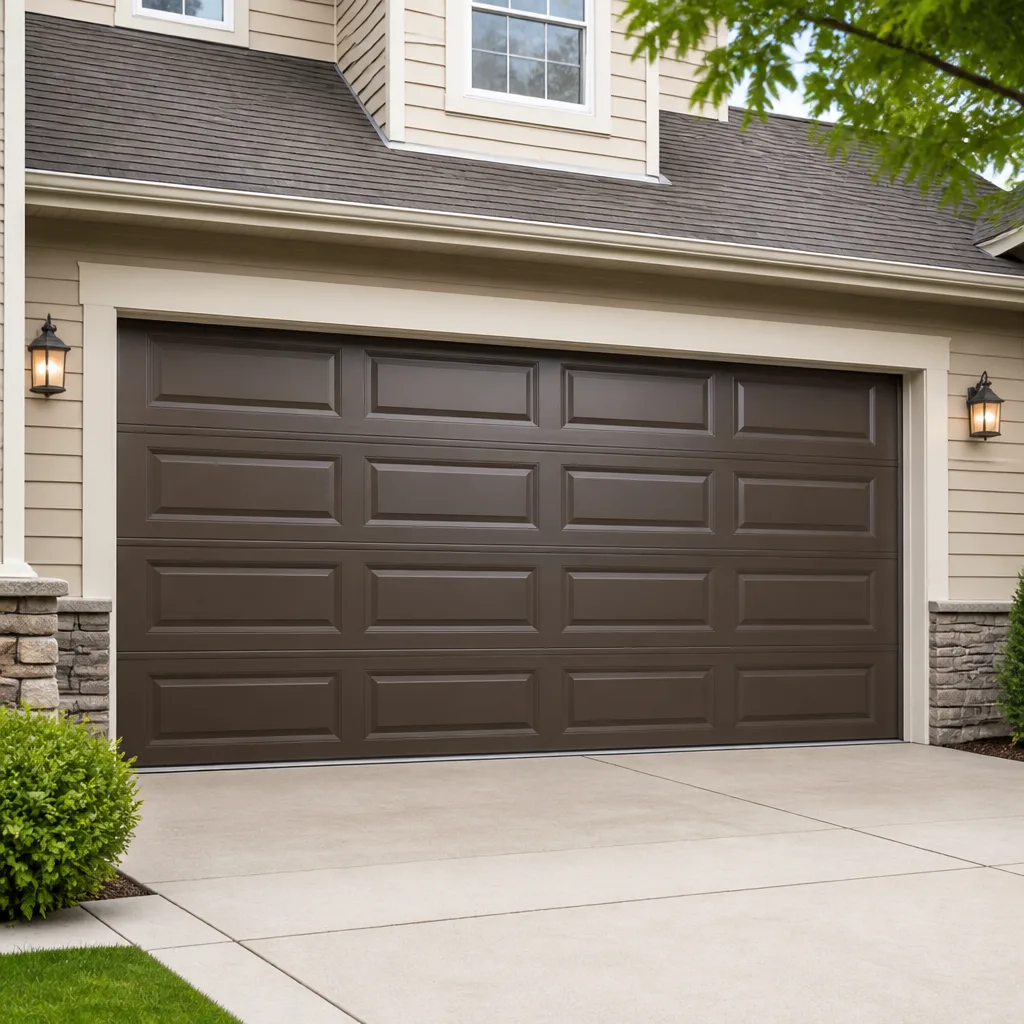 Raised-panel steel
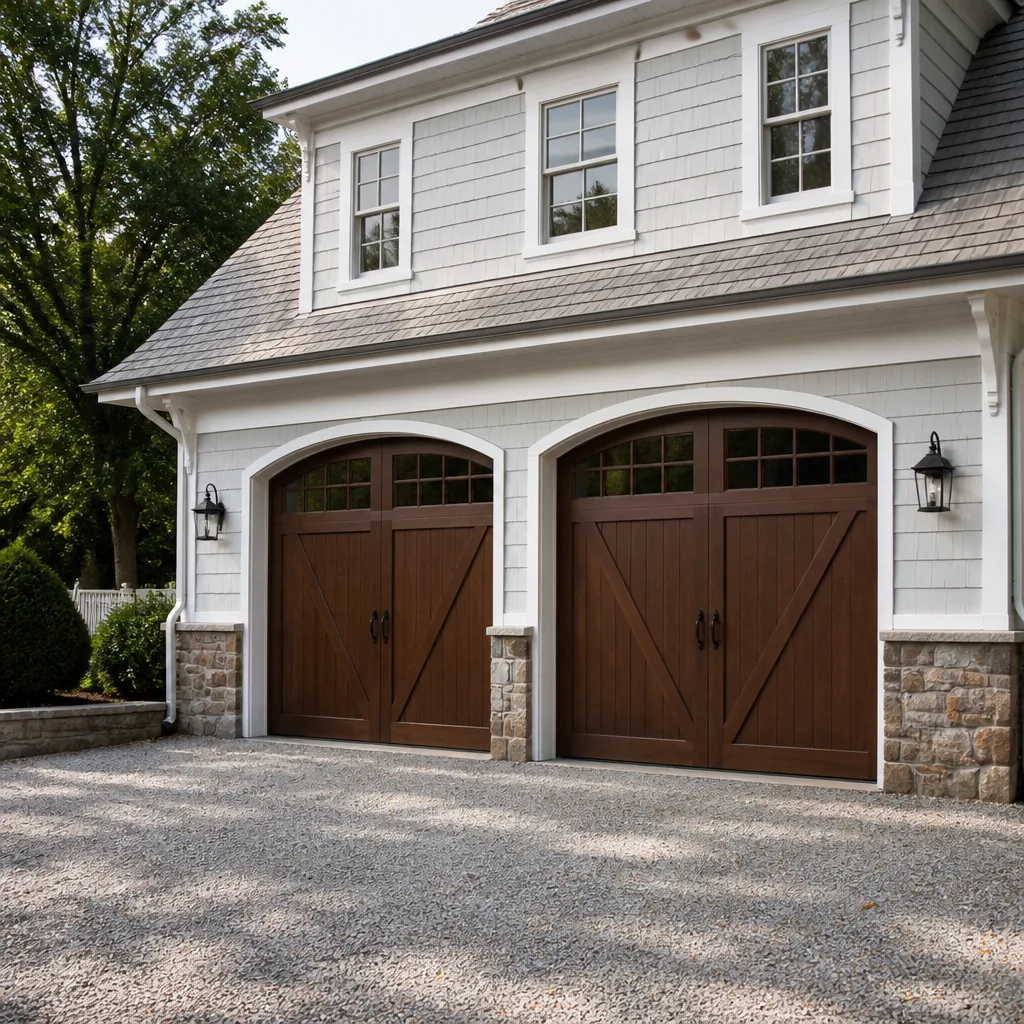 Carriage house
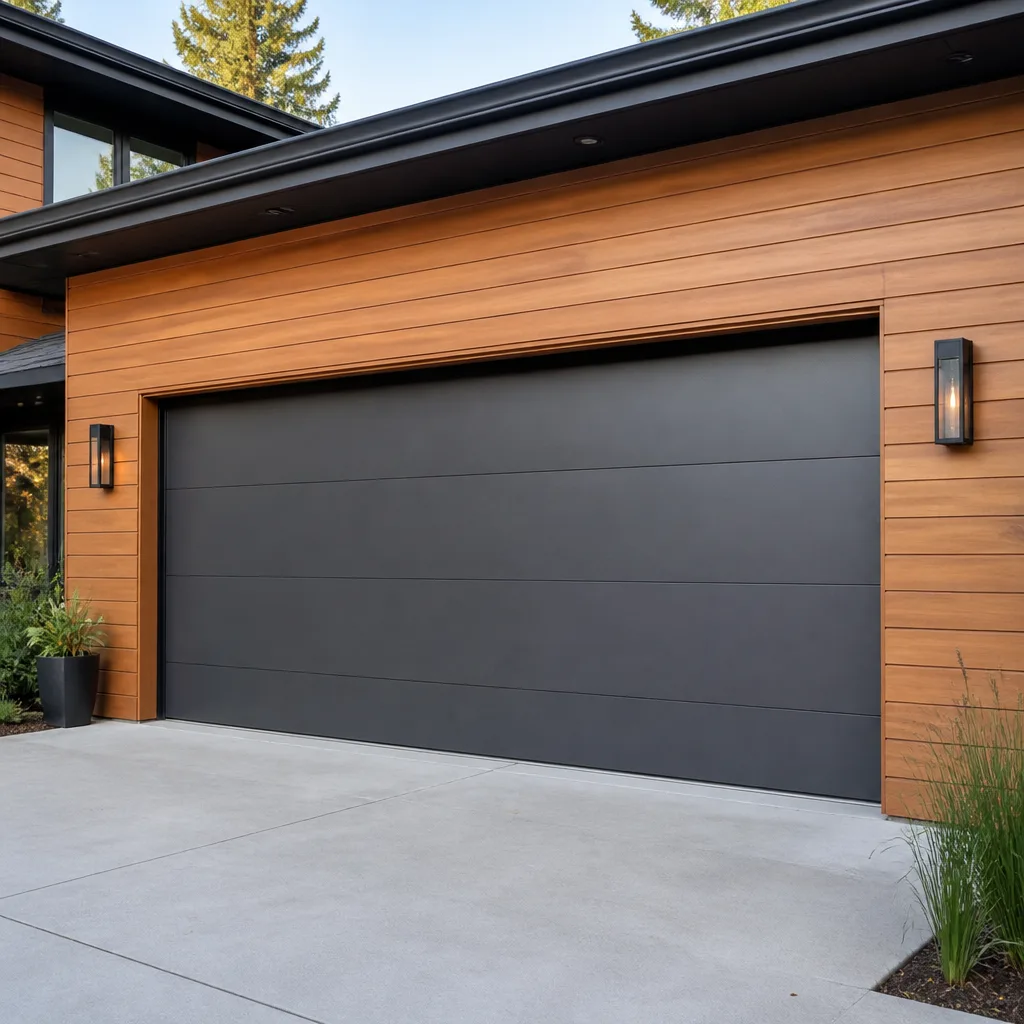 Modern flush
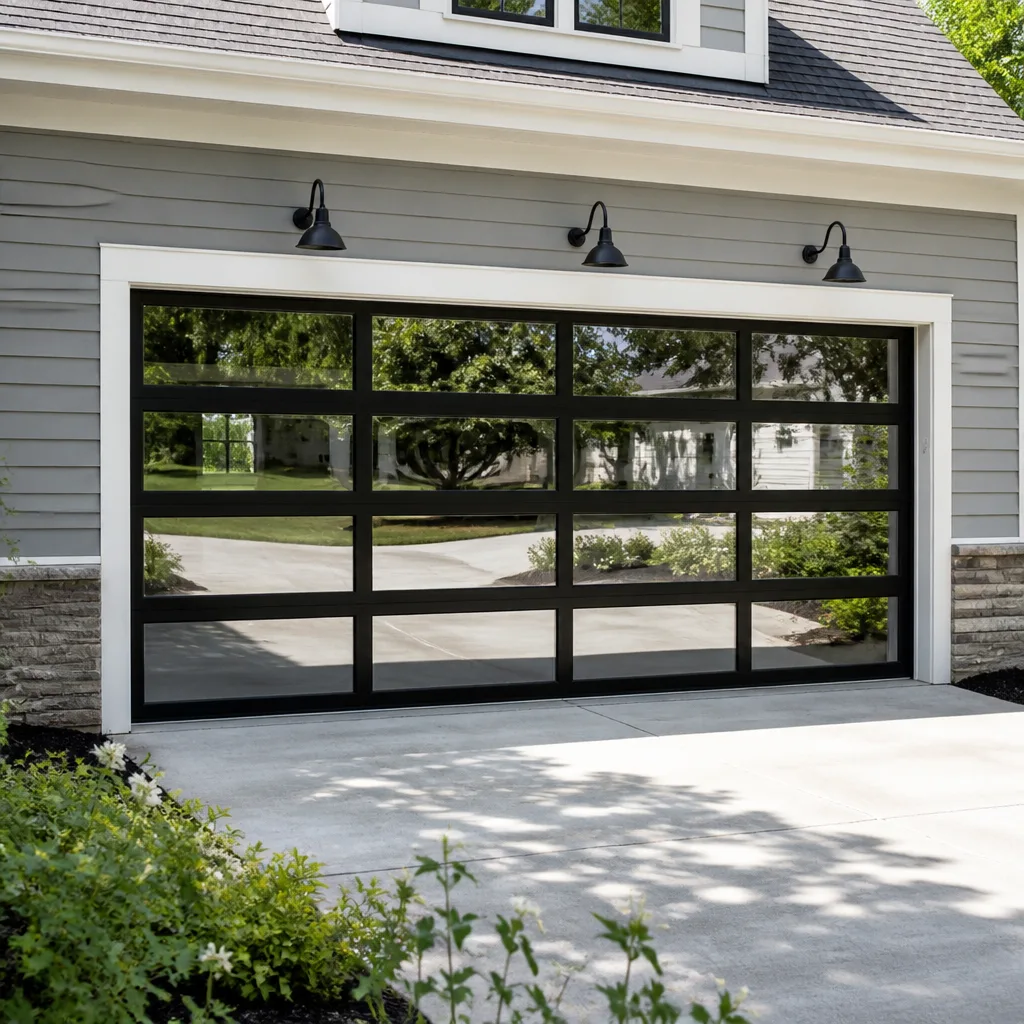 Full-view glass
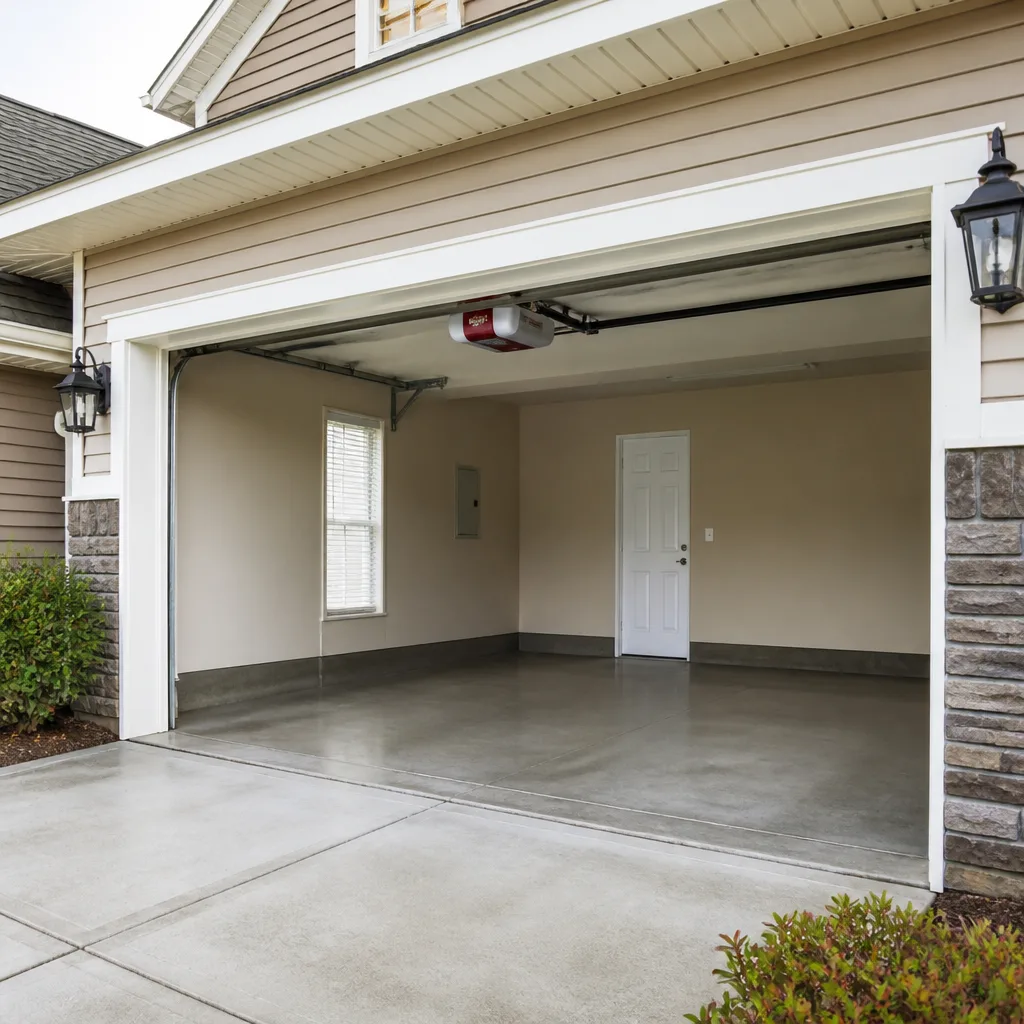 LiftMaster openers
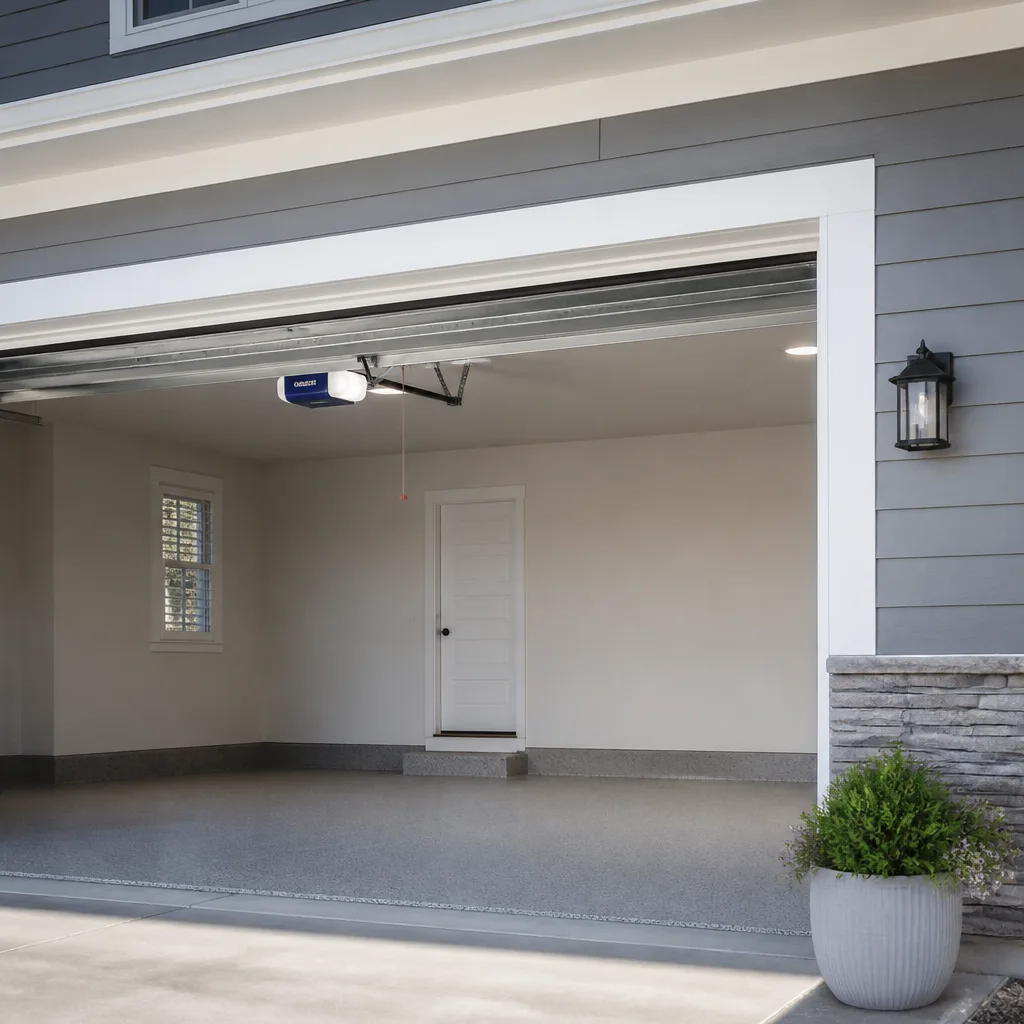 Chamberlain openers
Full 25-point door and opener safety check with every visit - springs, cables, rollers, tracks, and your LiftMaster or Chamberlain opener included
You get a price before we start. It does not change when the pro arrives.
Get your free estimateGarage Door Repair Troubleshooting in Dearborn: Common Problems and How to Fix Them
If your garage door stops working and the first thing you do is check the batteries in your remote, you’ve already skipped past the three problems that cause most service calls. In our experience, the opener gets blamed for nearly everything, yet the real culprit is almost always mechanical: a torsion spring that has given out, a cable that has slipped its drum, or a track that has bent out of line. The motor just gets the blame because it’s the part that makes noise. This guide teaches you to read what your door is actually doing before you touch a single button, so you can tell the difference between a five-minute adjustment and a stop-and-call situation. We’ll walk through the symptom-first approach we use on calls across Dearborn, from the north end to the south end, and show you what to document so a repair quote is accurate the first time.
Quick Answer
Most garage door failures in Dearborn come down to a handful of mechanical problems: broken torsion springs, frayed or off-drum cables, bent tracks, failed sensors, and worn rollers. The door’s movement tells you which one you’re dealing with before you inspect anything. A door that won’t lift at all and feels dead usually points to a spring or opener issue, while a door that lifts crooked, binds, or reverses on its own points to tracks, cables, or sensors. Anything involving springs or cables is a stop-and-call situation, not a DIY fix.
Styles & brands we work with
- Raised-panel steel
- Carriage house
- Modern flush
- Full-view glass
- LiftMaster openers
- Chamberlain openers
Table of Contents
- How to Read What Your Door Is Telling You
- Why Dearborn’s Freeze-Thaw Cycles Wreck Tracks and Seals
- The Five Most Common Garage Door Problems
- The Line Between a DIY Fix and a Stop-and-Call
- How to Manually Release Your Door When You’re Locked Out
- What to Document Before You Call
- Diagnosing Strange Noises and Gaps
- Is It the Opener or the Door?
How to Read What Your Door Is Telling You
Before you open a panel or grab a ladder, watch the door. The way it moves is a diagnostic readout, and it points to the failing system faster than any checklist. This is the habit that separates a homeowner who gets a straight answer from one who pays for a return visit.
Here’s how we frame it on the phone. Stand back and observe one full cycle:
- Won’t move at all, no sound from the opener. The motor isn’t getting power or the logic board has failed. Check the wall outlet and the breaker first. If power is fine, the opener itself needs a look, which falls under garage door opener repair.
- Opener hums or clicks but the door won’t lift. The motor is trying, but something mechanical is holding it back. A broken torsion spring is the usual suspect, and sometimes a stripped gear inside the opener.
- Door lifts a few inches then reverses. The safety sensors or the travel limits are the first things to check. A binding track can fake the same symptom.
- Door lifts crooked, one side lagging. A cable has jumped its drum on one side or a spring has weakened. Stop using the door.
- Door drops fast or slams down. The spring system is no longer counterbalancing the door’s weight. This is dangerous and should be treated as an immediate stop.
- Door travels slowly, grinds, or shudders. Worn rollers, dry hinges, or a misaligned track. Usually a tunable fix, not an emergency.
Run through this once before you touch anything else. If you land on entry two, four, or five, put the remote down and call a technician. You’ve already found the problem category, and the next step is a safe repair, not more button-pressing. If you land on entry one, three, or six, keep reading, because there’s a chance you can narrow it down further and give us a precise description when you call.
Why Dearborn’s Freeze-Thaw Cycles Wreck Tracks and Seals
Dearborn sits in a climate with real winters: cold enough for ground frost, wet enough in spring for repeated thawing, and hot in summer. That cycle is hard on garage doors in a way that coastal or mild-winter markets don’t experience. The steel in your tracks expands and contracts with the temperature swings, and over enough seasons, a small bend in a track becomes a real bind. The rubber bottom seal cracks and pulls away from the concrete, letting water in during rain and cold air in during winter. Both of these mimic opener problems when they’re actually mechanical.
We see this on both sides of Dearborn, in the older neighborhoods near the Rouge and in the newer subdivisions out toward the edges of the city. A door that worked fine in October suddenly reverses in February. The homeowner assumes the opener has failed, but the track has bowed a fraction of an inch from frost heave under the slab, or the bottom seal has frozen to the concrete and the door can’t release cleanly.
Here’s what that means for troubleshooting:
- If your door binds in cold weather but runs fine in summer, suspect track alignment or seal sticking, not the opener.
- If the bottom of the door leaves a visible gap in winter, the seal has likely cracked from freeze-thaw and needs replacing. That’s the biggest single cause of drafts and water intrusion into Dearborn garages.
- If the door shudders in the first several inches of travel, look at the rollers and the bottom bracket before blaming the motor.
- If the door reverses only on cold mornings, the safety sensor may be fogged or the weather seal may be pushing back against the door.
The good news is that most of these are repairable without replacing the door. The right move is a diagnosis that starts with the mechanical system, not a sales pitch for a new opener. If your door has any of these symptoms, our garage door repair team can walk you through what’s actually happening before we quote anything.
The Five Most Common Garage Door Problems
Across the service calls we handle in Dearborn, five problems account for most of the work. Each one has a distinct signature, so you can often identify which category you’re in before a technician arrives.
1. Broken Torsion Spring
This is the single most common garage door failure. You’ll hear a loud bang, and afterward the door won’t lift, or it lifts with enormous effort. The spring is what counterbalances the door’s weight, and when it breaks, that weight is dead. On most garage doors, a single spring is what carries the load; a matched pair is often replaced together because a pair shares the door’s weight. Never attempt to replace a torsion spring yourself. The tension in a wound spring can cause serious injury if it releases unexpectedly, and the correct tools and technique are not something a homeowner should attempt. Call a trained technician.
2. Frayed or Off-Drum Cable
Cables run from the bottom corners of the door up to the spring system, and they work under high tension. If a cable slips off its drum, the door will hang crooked. If a cable frays, it can snap without warning. Both are stop-and-call situations. A cable under tension is just as dangerous as a spring, so don’t try to rewind it or cut it. Have a technician handle it.
3. Bent or Misaligned Track
Tracks guide the door, and a bent track will make the door bind, lag on one side, or reverse. Small bends in the vertical section near the bottom can often be corrected with the right tools. If the door has been struck or the track has pulled loose from the jambs, that’s a technician’s job. Dearborn’s freeze-thaw cycles make track alignment a recurring issue here, so this is one we see often.
4. Failed Safety Sensors
The sensors at the bottom corners of the track stop the door if something crosses the path. If they’re misaligned, fogged, or the lens is dirty, the door will reverse as soon as it starts down. This is one of the few fixes a homeowner can safely handle: wipe the lenses, check that the indicator lights on both sensors are solid, and nudge them back into alignment.
5. Opener Logic or Gear Failure
If the opener hums, clicks, or fails to respond but the door moves freely when you operate it by hand, the opener is the problem. This might be a stripped drive gear, a failed logic board, or a travel limit that’s drifted. Modern openers from LiftMaster and Chamberlain have diagnostic codes that can point to the issue; a technician can read those and tell you whether the opener is repairable or due for replacement.
The Line Between a DIY Fix and a Stop-and-Call
Not every garage door problem is dangerous. Some of them are straightforward and worth doing yourself. The trick is knowing exactly where the line is. Here’s how we draw it.
DIY-Safe Fixes
- Sensor realignment. Wipe both sensor lenses, check for obstructions, and make sure the indicator lights are solid. If they’re not, nudge the sensor brackets until the lights are steady.
- Limit adjustments. Most openers have a travel limit screw or a pair of buttons that adjusts how far the door travels up and down. If the door doesn’t close all the way but the sensors are fine, this is often the fix.
- Remote battery replacement. A dead battery in the remote or the wall console is a common cause of “the door won’t open.” Check the batteries before calling anyone.
- Lubrication. A few drops of lubricant on the hinges, rollers, and springs (if they’re sealed type) can stop squeaks and shudders. Don’t use grease on the tracks themselves.
- Visual inspection. Look for frayed cables, loose brackets, or bent tracks. If you see any of these, stop and call.
Stop-and-Call Situations
- Any work involving the torsion spring. A wound spring stores enough energy to break bones. Leave it alone.
- Any work involving cables. A cable under tension can snap and cause serious injury. Don’t try to rewind or remove one.
- Door drops quickly or slams. This means the spring system has failed and the door is not counterbalanced.
- Door is off its tracks. If the door has come out of the track on one side, don’t force it back. Call a technician.
- Opener is smoking or making a burning smell. Turn off power at the breaker and call.
If you’re unsure where a problem falls, describe it to us on the phone. We can talk you through what to check without guessing, and if it’s a stop-and-call situation, we’ll tell you. That’s the standard we set for ourselves at Forthright Garage Door Repair: tell you what’s wrong before we tell you what it costs.
How to Manually Release Your Door When You’re Locked Out
You’re locked out, the car is in the garage, and the opener won’t respond. You need to get the door open manually, and you want to do it without damaging the opener or voiding its warranty. Here’s the safe way to do it.
- Locate the manual release cord. It’s the red rope or handle hanging from the opener trolley. On most LiftMaster and Chamberlain models, it’s clearly marked.
- Pull the cord straight down and toward the door. You’ll feel the trolley release from the carriage. The door is now disconnected from the opener. (Don’t force it; if it doesn’t release easily, stop.)
- Lift the door by hand. If the door is heavy, the spring system has failed, and you should not force it. Instead, call a technician. If the door lifts with reasonable effort, raise it to the fully open position.
- Hold the door open while you move the car. The door is now unsprung from the opener, so it won’t stay up on its own unless the spring is doing its job.
- Reconnect the door. Lower the door to the fully closed position, then pull the release cord once more or manually move the carriage until it engages the trolley. Test the opener to confirm the reconnection.
This is the safe way to release a door without damaging the opener. If the door is heavy when you lift it by hand, the spring has failed, and you should stop and call. Forcing a heavy door can bend the tracks or injure you.
Releasing the door this way doesn’t void most opener warranties, but it’s worth checking your specific model’s documentation if the door is new. If you’re not sure, call us and we’ll walk you through it.
What to Document Before You Call
The better you can describe your problem, the more accurate the quote you get over the phone. That’s especially important because a technician who has to drive out to diagnose can’t always quote accurately from a vague description. Here’s the checklist we use. Jot down as much as you can before you call, and you’ll save yourself an extra visit.
- What the door does when it’s not working. Does it not move at all, move a few inches and stop, or move crooked? Each points to a different system.
- What the door sounds like. Is it silent, humming, grinding, or banging? Sounds narrow the diagnosis fast.
- Where the gap is. Is the gap at the bottom, one side, or the top? Bottom gaps point to seals or tracks, side gaps to cables.
- Which side binds. If the door lags on one side, note left or right when facing the door from inside.
- The opener brand and model. LiftMaster, Chamberlain, Genie, and other major brands have different diagnostic codes and known failure points.
- Any recent changes. Did the door get struck, did the power go out, or did the weather recently shift from warm to cold?
- Whether the door operates by hand. If you can lift the door by hand with reasonable effort, the spring is probably intact. If it’s heavy, the spring is the suspect.
All of that helps us give you a quote that reflects the real job, not a ballpark that changes on arrival. Our technicians have up to 11 years of experience, and a good phone description lets us bring the right parts for the first visit. If you’re in Dearborn and the problem sounds like an opener issue, our garage door opener repair team can diagnose it over the phone and quote you up front.
Diagnosing Strange Noises and Gaps
Sounds and gaps are two of the most useful diagnostic signals you have, and they cost nothing to check. Here’s how to read them.
Noise Checklist
- Squeal or squeak. Worn rollers or dry hinges. Usually a lubrication or roller replacement job.
- Grinding. Metal-on-metal, often worn rollers, a misaligned track, or a failing opener drive gear. Stop the door and inspect.
- Rattle or shudder. Loose hardware or a worn hinge. Check the bolts before assuming the opener.
- Loud bang or pop. A torsion spring has broken. Stop using the door and call a technician.
- Humming without movement. The opener is trying to engage but the door is stuck. Likely a spring or cable issue.
Gap Checklist
- Bottom gap. A worn or frozen bottom seal. This lets in water and cold air and stresses the opener.
- Side gap. A bent track or a cable issue. Don’t ignore this one.
- Top gap. A misaligned header or a door that’s off its track. Call a technician.
Dearborn’s winters make the bottom seal the most common gap we see. A cracked seal also lets meltwater in, which freezes and stresses the door on the next cold snap. Replacing it is a straightforward repair that prevents bigger problems.
Is It the Opener or the Door?
This is the question we get most often, and it’s also the most common source of bad decisions. The instinct is to blame the opener because it’s the part you interact with. In practice, the door is the culprit in the majority of failures.
Here’s the split test:
- Release the door from the opener with the manual release cord.
- Lift the door halfway by hand.
- If the door is heavy, binds, or drops, the problem is mechanical. That means the spring, cables, or tracks. The opener is fine.
- If the door lifts smoothly and stays put, the door is mechanically sound. The opener is the suspect.
That simple test tells you which system to inspect, and it prevents the expensive mistake of replacing a good opener. It also prevents the opposite mistake: replacing a healthy door when the opener was the problem all along. We see both. The brand name Forthright is a commitment to honest diagnosis, so if your door is healthy but your opener has failed, we’ll tell you. You get the fix you need, not the fix that’s easiest to sell.
This is where a service that works with multiple brands matters. A technician who only knows one brand may push a replacement when a repair is the right call. Our training covers LiftMaster, Chamberlain, Genie, and Clopay systems, along with Amarr, Wayne Dalton, Craftsman, and Raynor doors. You don’t get told to replace a good system because the technician doesn’t recognize the one you own.
Common Mistakes to Avoid
- Blaming the opener first. Most garage door failures are mechanical. Test the door by hand before you assume the opener is dead. Doing so prevents the costly mistake of replacing a functioning opener.
- Force-lifting a heavy door. If the door is heavy when you lift it manually, the spring has failed. Forcing it can bend the tracks or cause injury. Stop and call a technician.
- Adjusting the torsion spring yourself. A wound torsion spring stores enough energy to cause serious injury. There’s no safe DIY version of this repair, and we don’t recommend the internet tutorials that suggest otherwise.
- Greasing the tracks. Track lubrication attracts dust and grit, and it can cause the door to slip or bind. Lubricate the hinges and rollers, not the tracks.
- Ignoring a bottom seal gap in winter. Dearborn’s freeze-thaw cycles crack seals, and a cracked seal lets in water that freezes and stresses the door. Replace it before it causes bigger damage.
- Skipping the phone checklist. A vague “my door won’t open” gives you a vague quote. Document what you can before you call, and you’ll get an accurate price and the right parts on the first visit.
- Assuming a Saturday emergency means weekend service. We’re closed Saturday. If your door fails on a Saturday, call anyway and we’ll book you for Sunday, the next opening in our Sunday through Friday schedule.
See the difference
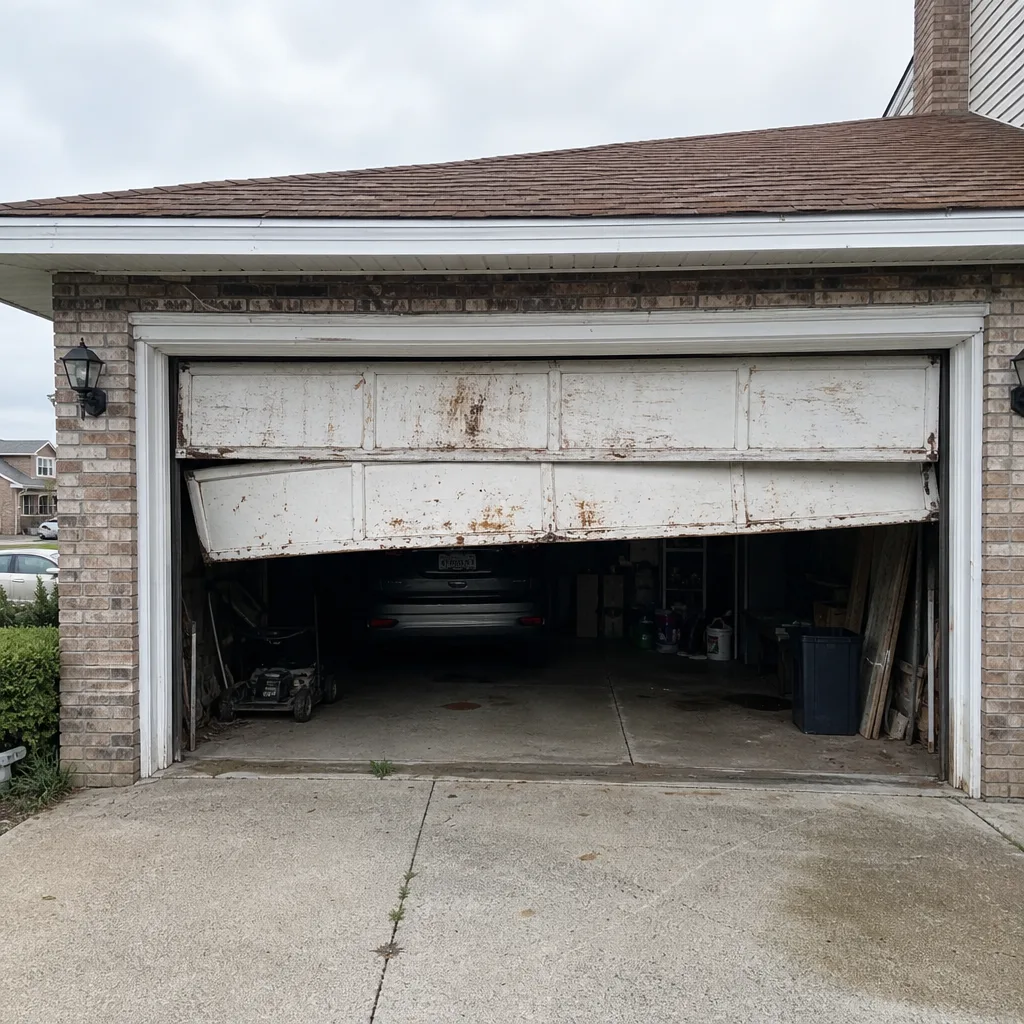 Before
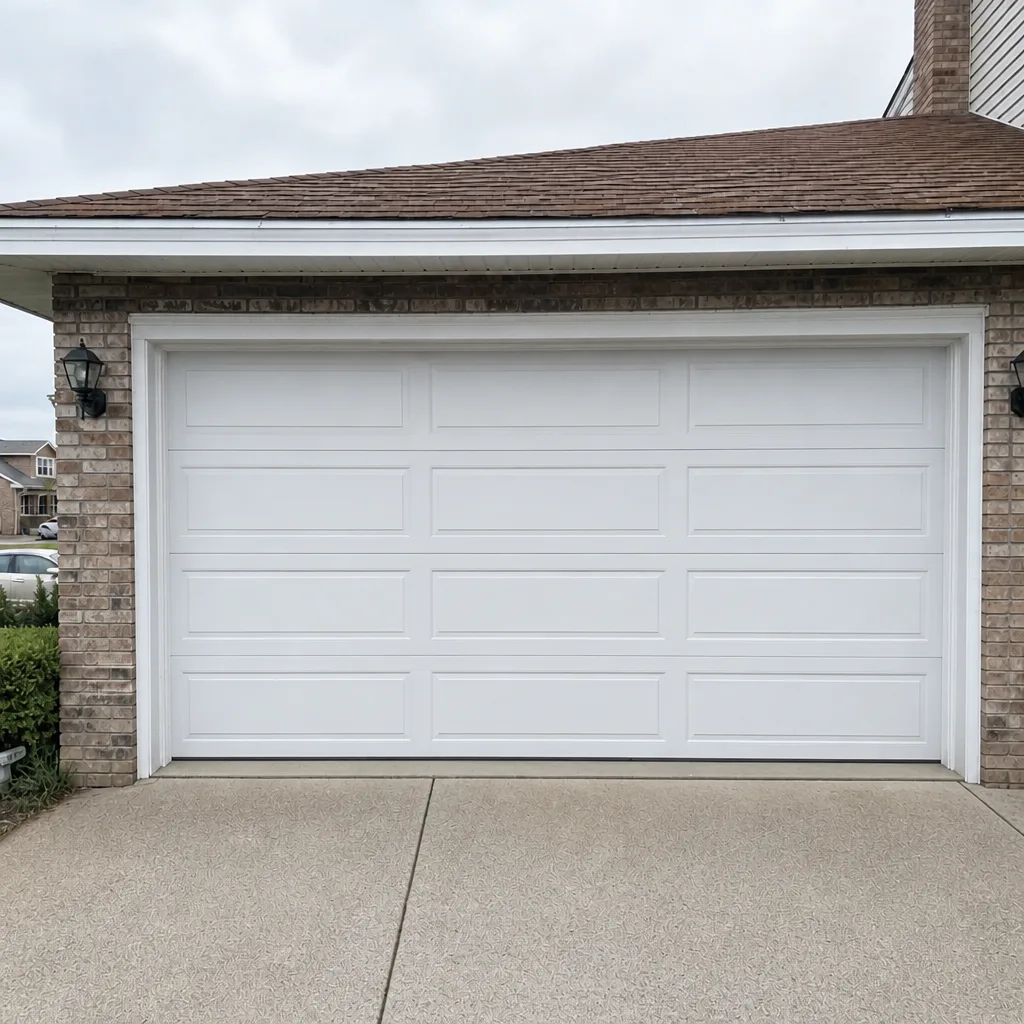 After
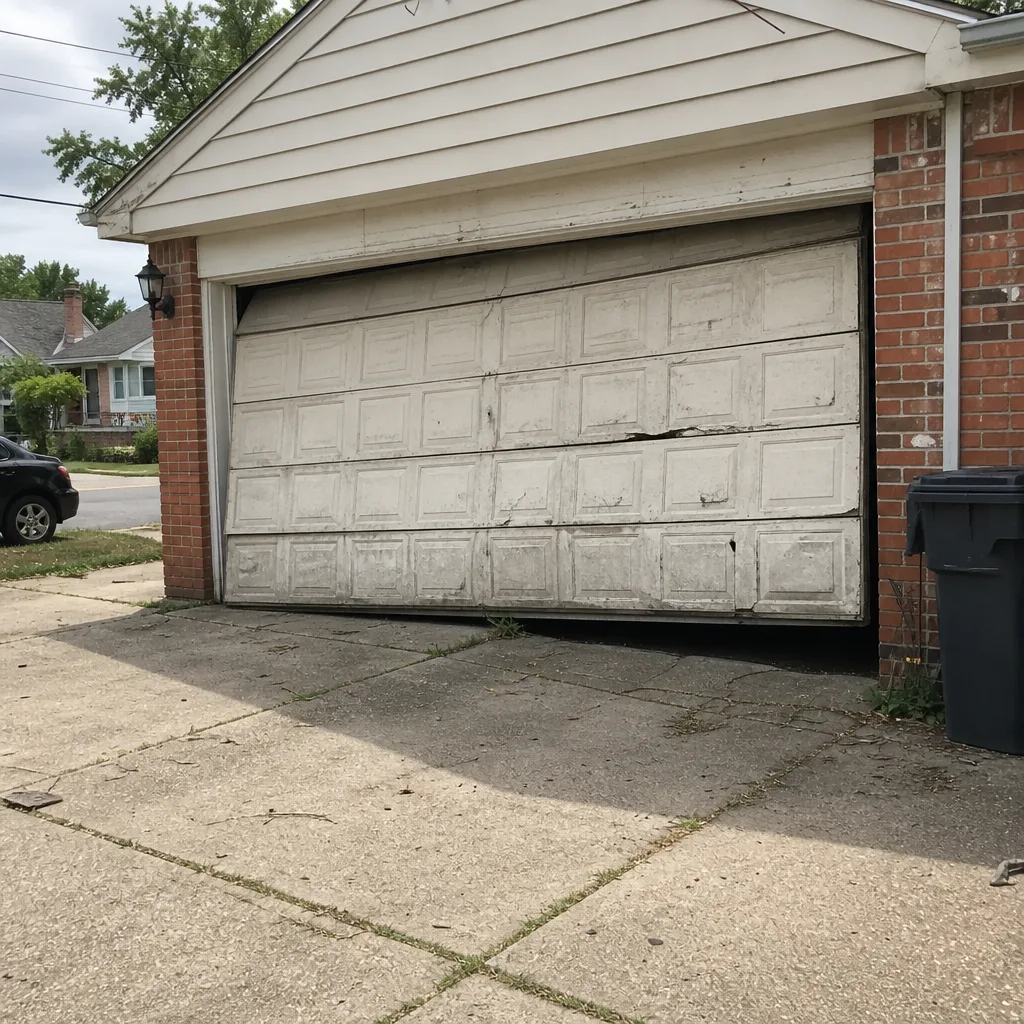 Before
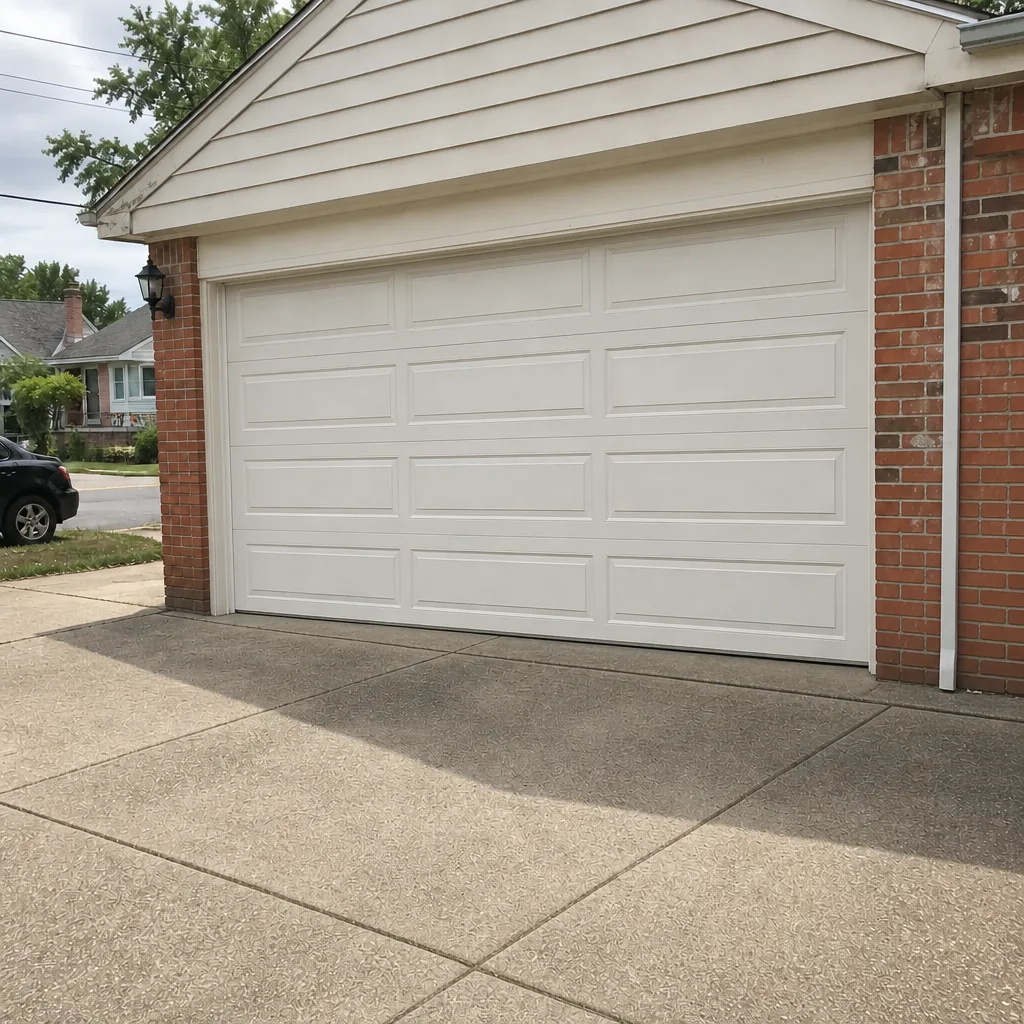 After
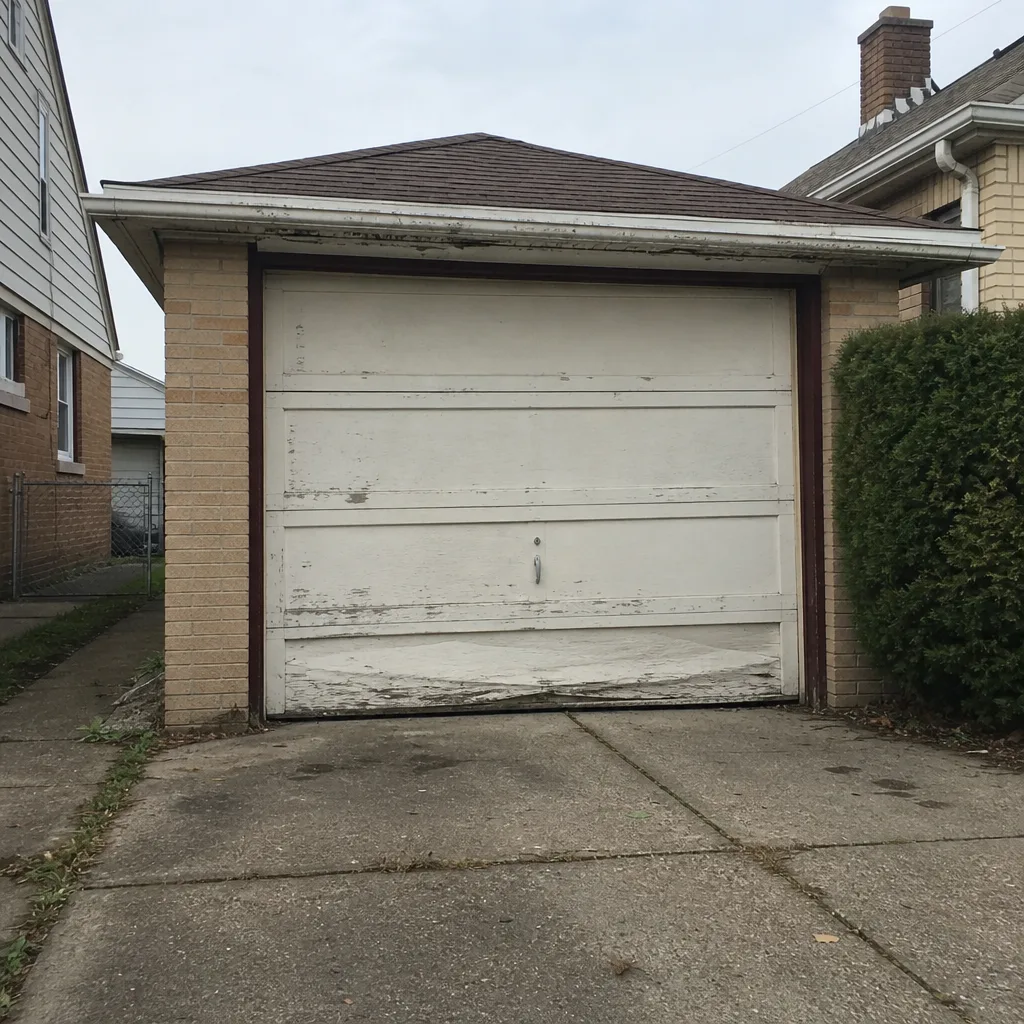 Before
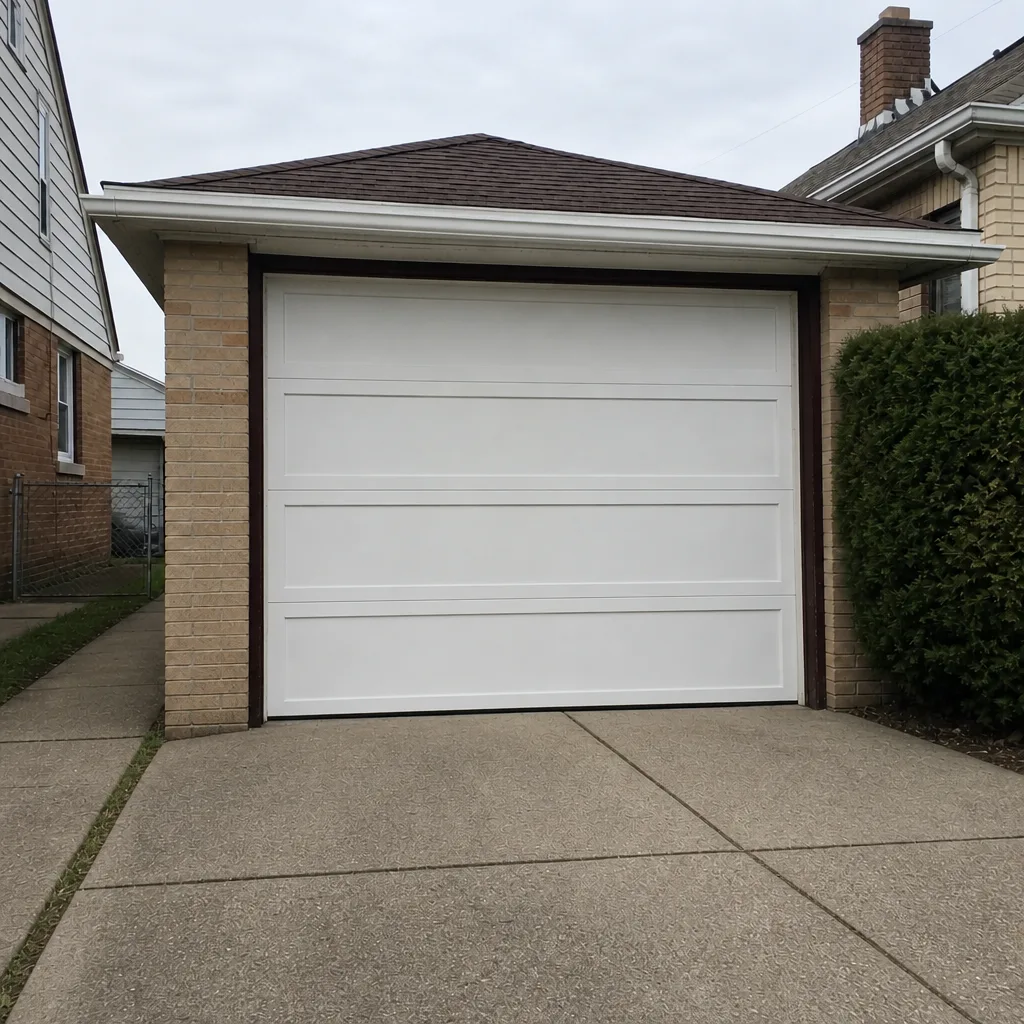 After
When to Call a Professional
Call a professional for anything involving the torsion spring, the cables, or a door that’s dropped or come off its tracks. Those aren’t DIY situations, and force of effort won’t fix them safely. Call us if the door is heavy when you lift it by hand, if the opener is humming but the door won’t move, if you see frayed cable or a bent track, or if a bottom seal is cracked and letting in water. Also call if a repair has been tried and the door still doesn’t work as it should. Forthright Garage Door Repair offers free estimates in Dearborn. Call (833) 454-5390. We answer 24/7. Fast dispatch from 7am to 7pm, Sunday through Friday.
Frequently Asked Questions
Most garage door repairs in Dearborn fall within a typical range depending on the part, but the exact price is set by the written estimate. Simple repairs like sensor realignment or lubrication are on the lower end; spring or cable replacement is higher because of the safety equipment involved. The written quote sets the final price, and we agree on it before any work starts. Call (833) 454-5390 for an exact quote. Estimates are free.
In many cases, yes. For common repairs like a sensor, track, or opener issue, we can often dispatch a technician the same day. Spring and cable failures may need a same-day or next-opening visit depending on parts. Call (833) 454-5390 and we’ll tell you what’s realistic for your repair. We answer 24/7.
Random opening is usually caused by a misprogrammed remote, a stuck wall button, or a neighbor’s remote operating the same opener. It’s rarely the door itself. A repair visit can identify whether the opener needs reprogramming or a component replaced. Call (833) 454-5390 for a free estimate.
Our technicians are trained specialists who work on garage doors only, not general handymen. Our technicians have up to 11 years of experience, and we’re insured. Call (833) 454-5390 to confirm current licensing and insurance coverage for your specific repair.
No. We provide a written estimate that sets the price, and we don’t change it once we start work. If we discover a bigger issue during the job, we stop and talk to you before anything else happens. That’s what Forthright means. Call (833) 454-5390 to schedule a free estimate.
Most likely, yes. We service LiftMaster, Chamberlain, Genie, Clopay, Amarr, Wayne Dalton, Craftsman, and Raynor systems, which covers the vast majority of homeowners. Call (833) 454-5390 to confirm your model and get a free estimate.
The Bottom Line
Most garage door problems in Dearborn aren’t the opener, even though that’s where most homeowners look first. Watch how the door moves, listen to what it sounds like, and check where the gap is. A door that’s heavy by hand, drops quickly, or lifts crooked is a stop-and-call situation. A door that reverses on its own, binds in one spot, or shudders is usually a fixable mechanical issue. Document the details before you call, so you get an accurate quote and the right parts on the first visit. When you’re ready, call (833) 454-5390. We answer 24/7. Fast dispatch from 7am to 7pm, Sunday through Friday. Estimates are free, and the written price is the price.
Written by the team at Forthright Garage Door Repair.