
Last updated November 15, 2026
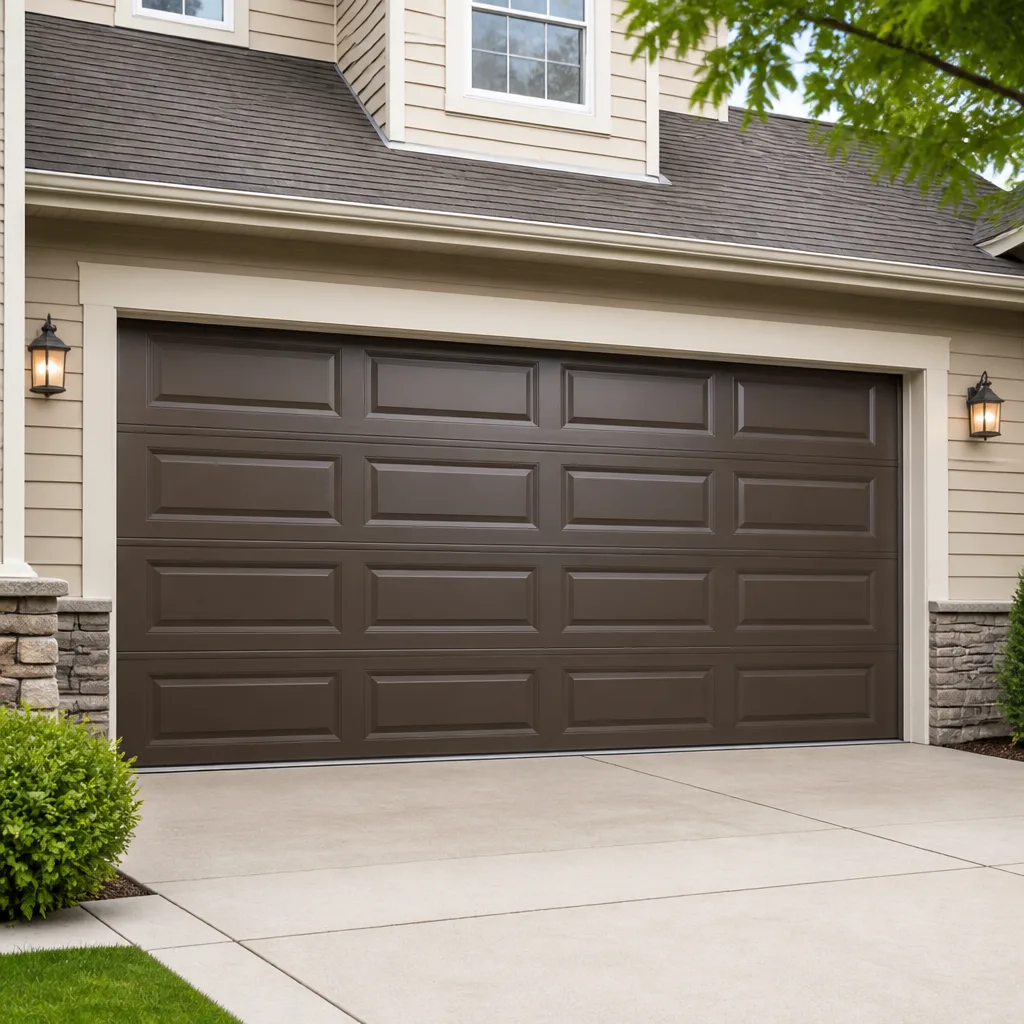 Raised-panel steel
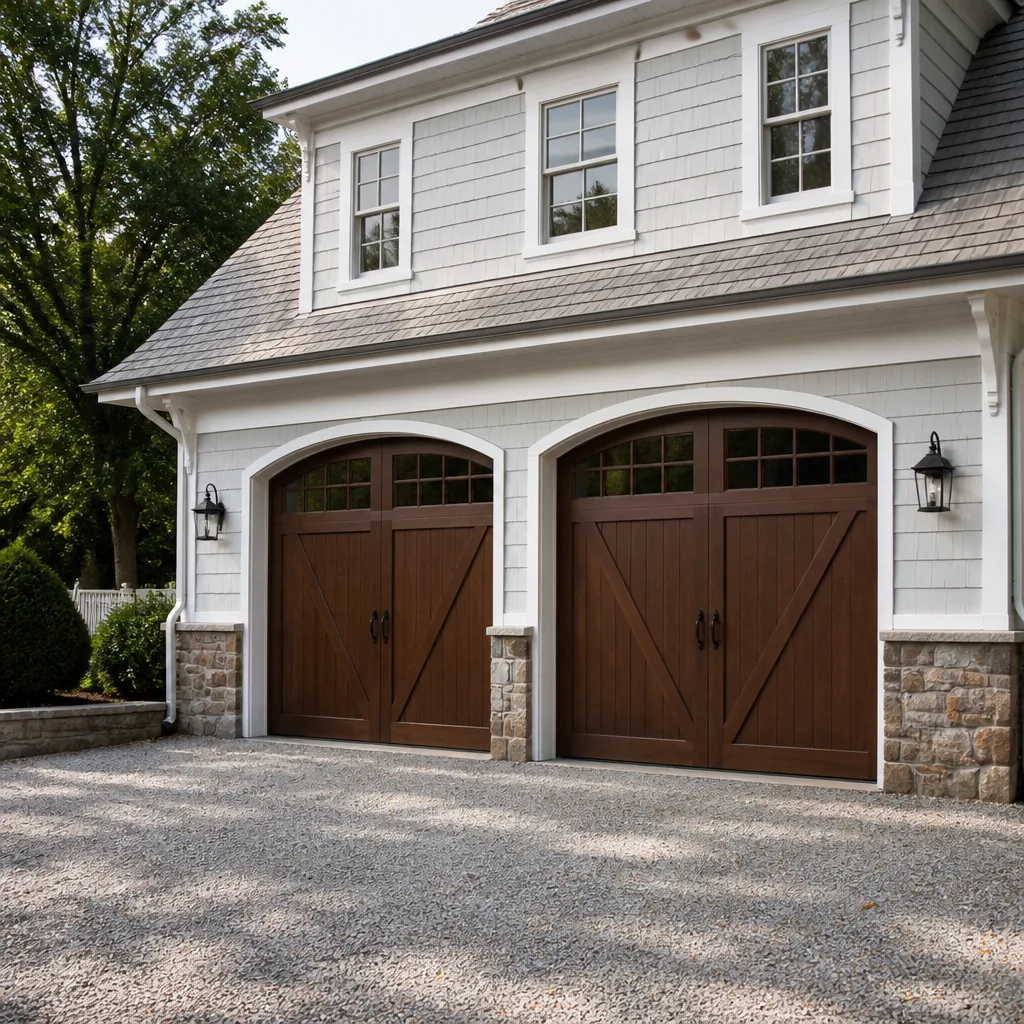 Carriage house
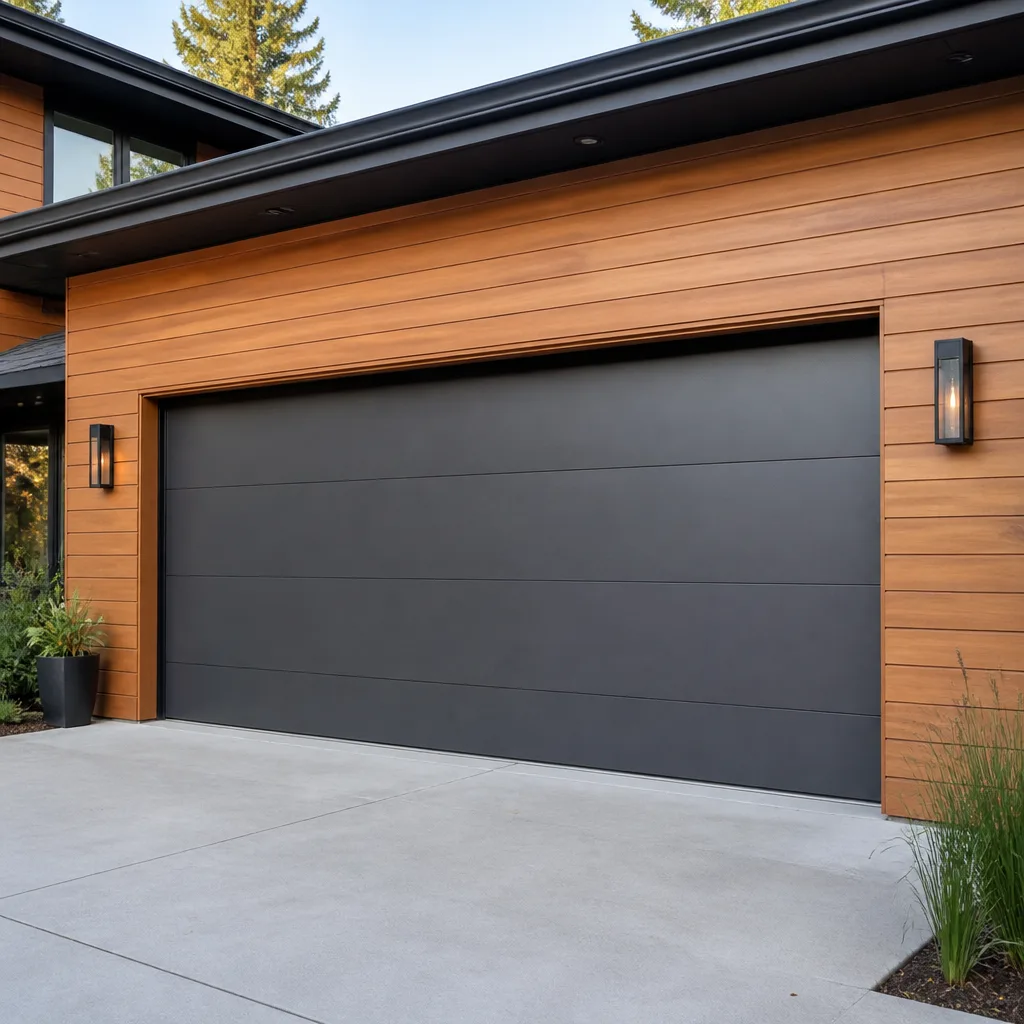 Modern flush
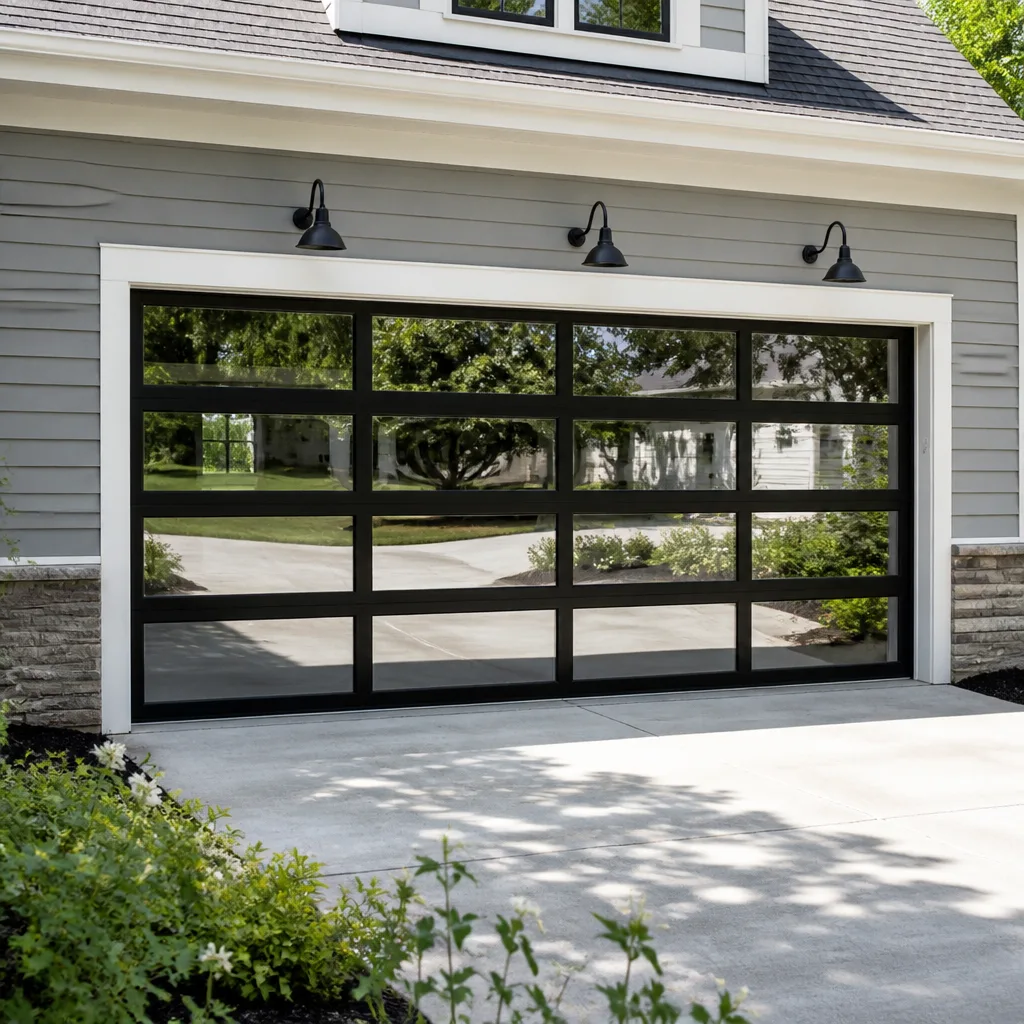 Full-view glass
 LiftMaster openers
 Chamberlain openers
Full 25-point door and opener safety check with every visit - springs, cables, rollers, tracks, and your LiftMaster or Chamberlain opener included
You get a price before we start. It does not change when the pro arrives.
Get your free estimateGarage Door Repair Maintenance Checklist for Dearborn Homeowners
Most garage door failures announce themselves long before the door stops working. The spring that snaps on a cold morning has been stretching past its limit for months. The cable that frays has been running against a worn drum for a year. The problem isn’t that Dearborn homeowners skip maintenance. It’s that most checklists say “inspect springs” and leave you staring at a torsion bar with no idea what a bad one looks like. This guide fixes that. You’ll get pass/fail criteria for every major component, the specific sounds that point to specific parts, and a clear idea of when to call someone. By the end, you’ll be able to describe exactly what your door is doing, which makes any repair quote faster and more accurate.
Quick Answer
A garage door maintenance checklist for Dearborn should cover six things every season: spring tension and condition, cable wear at the drums, roller and hinge smoothness, track alignment, weatherstripping seals, and a balance test with the opener disengaged. Check the springs and cables by eye only, never by hand. If you find a snapped spring, a frayed cable, or a door that won’t balance, stop and call a trained technician. Springs and cables are under extreme tension and cause serious injury when handled by untrained hands. For everything else, this checklist gives you a pass/fail read so you know what you’re looking at before you pick up the phone.
Styles & brands we work with
- Raised-panel steel
- Carriage house
- Modern flush
- Full-view glass
- LiftMaster openers
- Chamberlain openers
Table of Contents
- How to Read Your Springs (Without Touching Them)
- Cables: What Fraying Actually Looks Like
- Rollers, Hinges, and the Sound Map
- The Balance Test and What It Tells You About Your Opener
- Lubrication: Where, With What, and How Much Is Too Much
- Weatherstripping and the Dearborn Seasons
- What to Photograph Before You Call
- A Seasonal Calendar for Dearborn Doors
How to Read Your Springs (Without Touching Them)
A torsion spring passes when it’s a continuous coil with no visible gap, no rust flaking, and no stretched-out section near either end. It fails when you can see a clear break, a gap of an inch or more, or heavy orange rust along the coil. A broken torsion spring makes the door feel almost weightless when you lift it by hand, and the door usually won’t open more than a few inches before it stops. Extension springs, the ones that run along the horizontal tracks on each side, pass when they’re straight and whole. They fail when you see a visible gap in the coil, a stretched section, or a safety cable that has gone slack.
That safety cable matters more than people realize. Extension springs should run through a steel cable that keeps the spring contained if it breaks. If you look up and see the spring sitting outside that cable, that’s a fail, and it’s worth having a technician correct it.
Here’s the part most checklists leave out: you never test a spring by hand. Torsion springs are wound to hundreds of pounds of tension and hold the entire weight of the door. Touching one, or trying to wind one, is how people lose fingers. Look from a distance, take a photo if something looks wrong, and let a technician handle it. Our technicians have up to 11 years of experience reading exactly this kind of wear, and a trained eye catches things a homeowner would walk right past.
One Dearborn note: our freeze-thaw cycles put real stress on springs. A door that cycled fine all summer can sound different by January, because cold makes the steel less forgiving. If your door gets noticeably louder in the first cold snap, that’s worth a look before it becomes a break.
Cables: What Fraying Actually Looks Like
Garage door cables pass when they sit tight against the drum, show no loose strands, and run straight from the drum to the bottom bracket. They fail when you see even one broken strand, a cable that’s jumped off the drum, a kink, or rust bleeding through the braid. A single frayed strand is not a minor issue. It’s the first sign the cable is about to fail, and a failed cable lets the door drop on one side.
The bottom bracket is where most cable problems concentrate. Look at where the cable attaches at the bottom corner of the door. If the cable looks slack, if it’s rubbing the bracket, or if the drum above it has cable wound unevenly, that’s a fail. Check both sides. A door with one good cable and one bad one is a door that will twist as it travels.
Like springs, cables are under heavy tension and are not a homeowner repair. Don’t try to re-seat a cable on a drum or tighten a slack one. If you find a failure, keep the door closed if you can, avoid running the opener, and call for garage door repair. Running an opener on a door with a failed cable can drive the door crooked and damage the tracks.
In our experience across Dearborn, cable wear shows up fastest on doors that get opened several times a day, like a household where everyone comes and goes on different schedules. High cycle count means faster wear. It’s not about age, it’s about use.
Rollers, Hinges, and the Sound Map
This is where a lot of vague checklists fall apart. “Check for wear” tells you nothing. What you need is a sound map: what each noise points to, so you can tell a technician which part is talking.
- Grinding that rises and falls as the door moves: usually a roller that’s seized or a bearing that’s dry. It tends to come from one corner, which tells you which roller.
- Popping or snapping, once or twice per cycle: often a hinge that’s binding, or a roller that’s jumped its track and is catching at a seam.
- Scraping along the whole travel: typically the door rubbing the frame, a sign the track is out of alignment rather than a part failure.
- A rattle or chatter that gets worse: loose hinge bolts or worn rollers with flat spots.
- A single loud bang from the middle of the door: that’s a spring breaking. Stop using the door and call.
Rollers pass when they spin freely by hand (with the door down and the opener disengaged) and show no flat spots or cracks in the wheel. They fail when you can feel a flat spot, hear a grind as you spin them, or see cracking in the nylon. Nylon rollers are quiet until they wear, then they get loud fast. Hinges pass when they open and close without resistance and the bolts are snug. They fail when you can wiggle the plate or the metal is visibly worn at the pivot.
Track alignment passes when both tracks are parallel, the gaps at the rollers are even, and nothing is bent. A dented track is a fail even if the door still moves, because a bent section forces the rollers to fight the curve every cycle.
If you’re hearing grinding but the door still works, that’s a good time to call rather than wait. Genie and Chamberlain openers, two of the systems we work on most, will keep pushing a stiff door until something gives. The noise is the warning.
The Balance Test and What It Tells You About Your Opener
A garage door balances when you can lift it halfway by hand, let go, and it stays roughly where you put it. It fails when it drops on its own, rises on its own, or feels dramatically heavier going up than coming down. Run the test with the door closed first: pull the release cord to disconnect the opener, lift the door to about waist height, and let go. Do this carefully, with both hands, and don’t force anything. If the door won’t stay put, lower it, reconnect the opener, and don’t run the test again.
An out-of-balance door is telling you the springs and the door’s weight are no longer matched. That matters for two reasons. First, it’s a safety issue, because a door that falls on its own is dangerous. Second, and this is the part most homeowners miss, every cycle of an out-of-balance door forces the opener to do work it wasn’t designed to do. An opener is built to lift a balanced door with a light assist, not to drag a door that’s fighting it. A door that’s been out of balance for months shortens the opener’s life, and a burned-out opener is a much bigger bill than a spring adjustment.
If your opener has a safety reverse feature, test that at the same time. Put a piece of wood or a brick on the floor in the door’s path and close the door. It should reverse on contact. If it doesn’t, stop using the door until it’s checked. This is a genuine safety component, not a convenience.
The balance test is also one of the clearest things to report when you call. If you tell a technician the door drops when you let go at halfway, that single detail tells them a lot about what’s wrong before anyone arrives.
Lubrication: Where, With What, and How Much Is Too Much
Lubrication passes when the moving metal parts have a thin, even film and move quietly. It fails when things are dry and grinding, or when you’ve got thick grease collecting dirt and grit. That second failure is worth dwelling on, because over-lubricating does as much damage as skipping it. Excess grease traps dust and metal shavings, forms a paste, and wears rollers and hinges faster than dry metal would.
Here’s where it goes and what to use:
- Use a garage-door-specific or white lithium grease, or a silicone spray. Skip WD-40 as a lubricant; it’s a solvent, not a lasting film.
- Lightly coat the hinge pivots with a small spray. One short press per hinge, not a soak.
- Put a couple of drops on each roller bearing. Don’t grease the roller wheel itself, just the metal bearing inside.
- Wipe a thin film along the torsion spring with a rag. It discourages rust, which is your friend in Dearborn winters, but don’t spray grease directly onto a wound spring.
- Leave the tracks alone. Tracks don’t get lubricated. Wipe them clean with a dry cloth and no more.
Do this once a season at most. If your door’s already quiet, don’t add more. Listen first, then decide. A door that squeals when it opens is telling you a hinge or roller is dry; a door that’s quiet is already fine.
Weatherstripping and the Dearborn Seasons
Weatherstripping passes when the rubber or vinyl flap along the bottom of the door touches the floor along its whole length, with no gaps you can see light through from inside a dark garage. It fails when you can see daylight under the door, the flap is torn or hardened, or the seal at the sides and top shows gaps. Run the light test with the garage dark and a light source outside; it’s the fastest pass/fail you’ll ever do.
Dearborn winters make this more than a comfort issue. A hard, cracked bottom seal lets cold air, snow melt, and pests in, and a damaged seal that’s dragging can also bind the door as it closes. If the bottom seal is stiff and won’t flex when you press it, it’s failing, even if it looks intact.
Also check the seals around the door jambs and the top. These take sun and temperature swings, and they crack before you’d expect. Replacing weatherstripping is a low-cost maintenance item and a reasonable thing to do yourself if you’re comfortable, unlike springs or cables.
Our Dearborn climate swings hard and fast. A mild October afternoon and a hard freeze in January stress every seal on the door, which is why we suggest checking seals at both ends of winter rather than once a year.
What to Photograph Before You Call
The single biggest reason a garage door quote changes after a technician arrives is a description that didn’t match the problem. If you tell someone “my door is broken” and the door has a snapped spring, a bent track, and a frayed cable, the quote based on the phone call will be wrong. The fix is simple: document what you can see before you call, so the estimate reflects the real job.
- Photograph the full door from straight on, closed, showing both tracks.
- Photograph each spring, both ends, including any gap or rust.
- Photograph the cable at each bottom corner and where it meets the drum.
- Photograph any bend in the tracks.
- Photograph the label on your opener, which tells a technician the make and model. We work on LiftMaster, Chamberlain, Genie, Clopay, Amarr, Wayne Dalton, Craftsman, and Raynor systems, and knowing the model up front avoids a wrong guess.
- Write down the sounds you hear and when you hear them, using the sound map above.
- Note whether the door is stuck open, stuck closed, or works but sounds bad.
With photos and a clear description, a technician can give you a much sharper estimate and often bring the right parts the first time. That’s the difference between a quick fix and a second visit.
A Seasonal Calendar for Dearborn Doors
One yearly checklist gets skipped. A seasonal one gets done, because each season has a natural trigger. Here’s a simple calendar that fits Dearborn’s climate.
- Spring: after the last freeze, do the full balance test and check cables for winter wear. Winter is when cable and spring failures concentrate.
- Summer: lubrication season. Lightly grease hinges and roller bearings, then wipe the tracks clean. Skip the extra grease if the door already runs quiet.
- Fall, before the first freeze: the most important one. Check weatherstripping and bottom seals while it’s still mild, so you’re not sealing a gap in January. Check the balance again before cold sets in.
- Winter: listen more than you touch. Cold-hardened parts get louder, and an early catch saves a break.
This schedule is built around how doors actually fail here. Maine-style snow isn’t the issue; it’s the freeze-thaw cycle and the long cold stretch that stresses springs and cables. A door that passed a fall balance test and still breaks in February was already on its way out.
In our experience, homeowners who run this calendar catch most problems as maintenance items rather than emergencies. That’s the whole point. A cheap fix now beats a snapped spring later.
Common Mistakes to Avoid
- Trying to test a spring by hand. Torsion springs hold the entire weight of the door. A visual check is all you should do.
- Greasing the tracks. Tracks are meant to be clean and dry. Grease collects grit and wears the rollers faster.
- Over-lubricating everything. A thin film is right. More grease becomes a trap for dust and shortens roller life.
- Ignoring a minor sound. A grind at one corner is early, cheap, and fixable. Wait, and it becomes a seized roller and a bent track.
- Skipping the balance test. An out-of-balance door is quietly wearing out your opener every time it lifts.
- Letting the opener carry a heavy door. If you have to help the door up, the springs are already failing and the opener is taking the load.
- Fixing the visible problem at the wrong time. Don’t replace a full set of parts because one is worn. Fix what’s failing, then reassess. That’s how we work, and it’s why the name means something.
These mistakes add up to the same thing: acting on guesses instead of a clear read of the door. A checklist you can actually pass or fail is what turns a guess into a plan.
See the difference
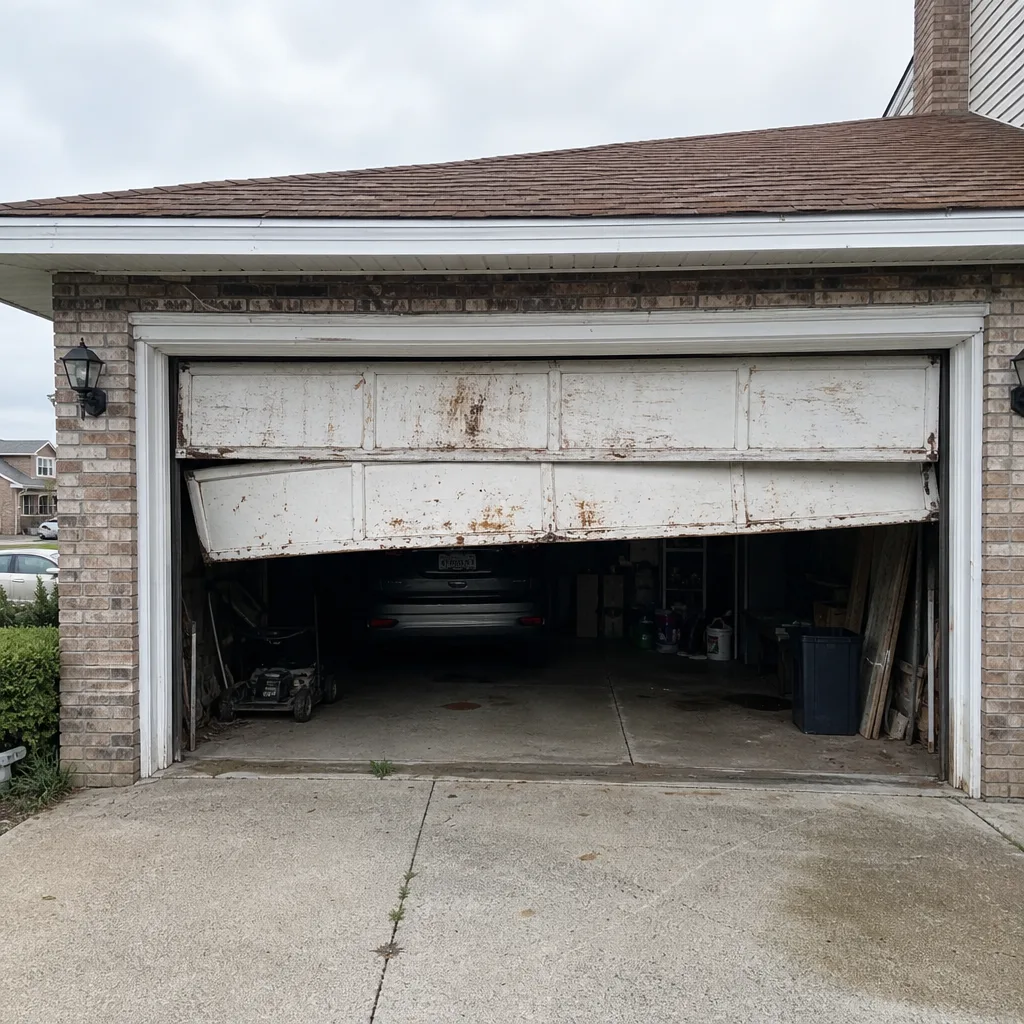 Before
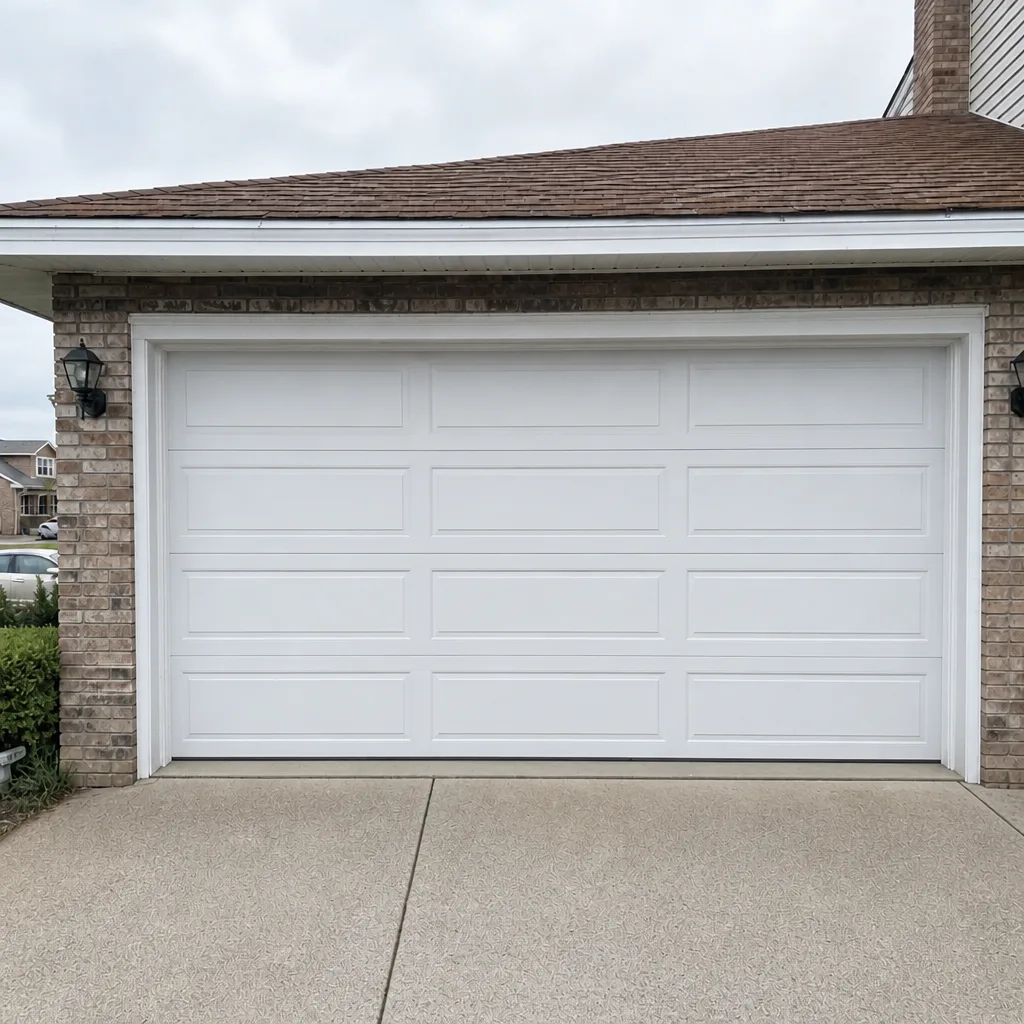 After
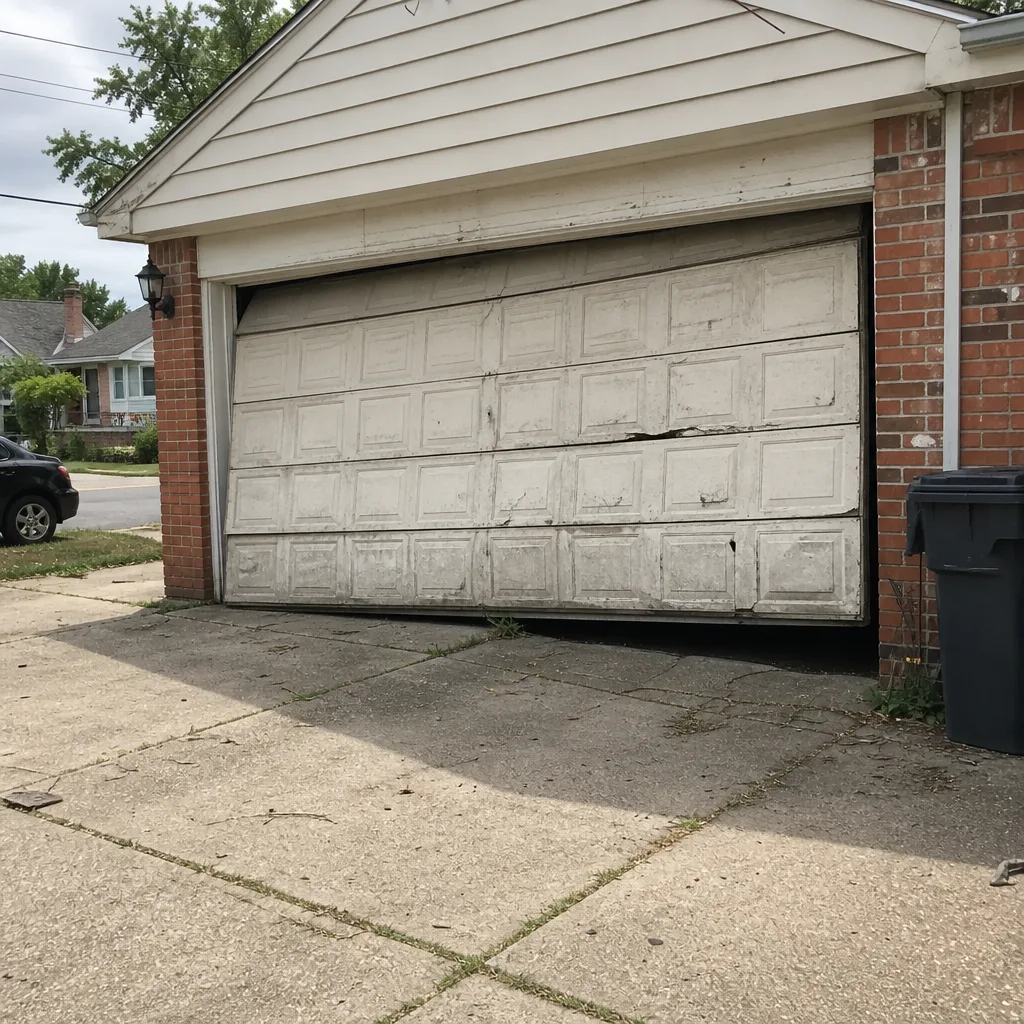 Before
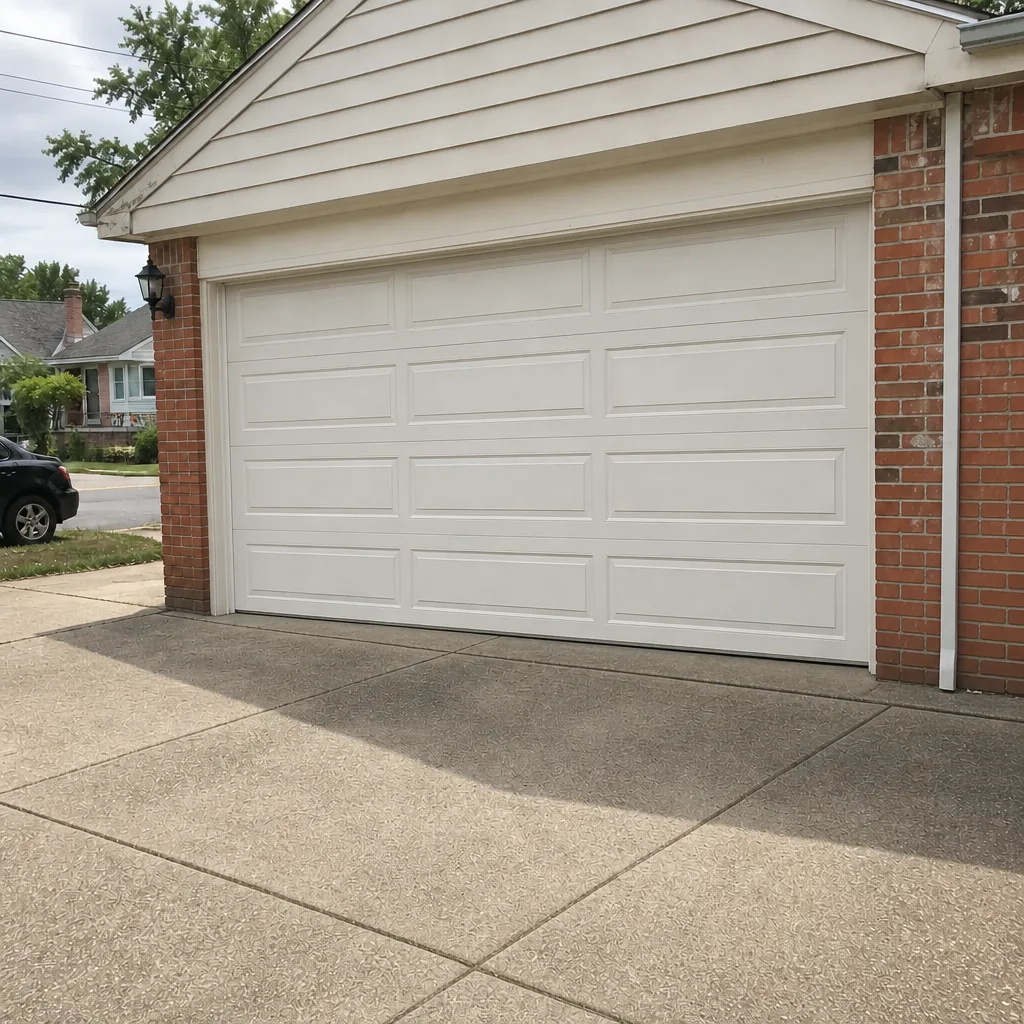 After
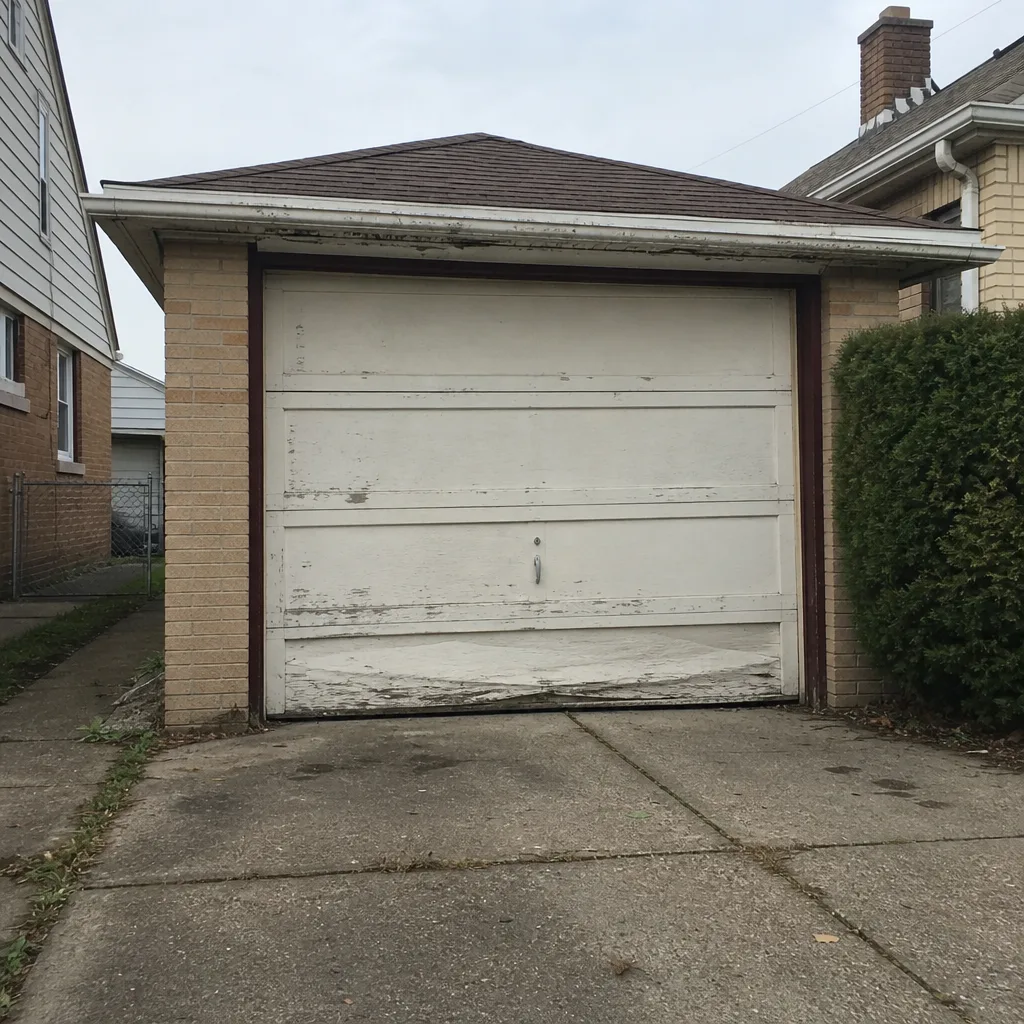 Before
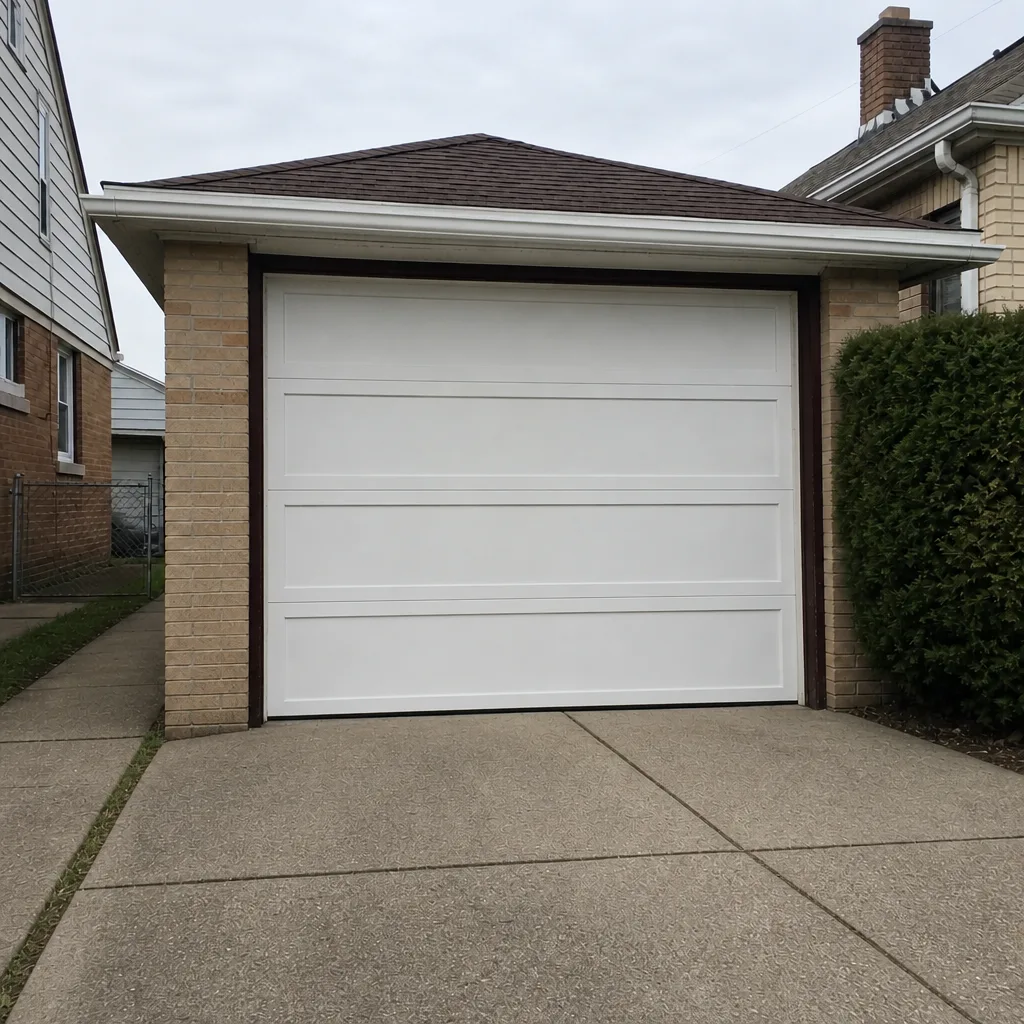 After
When to Call a Professional
Call a professional immediately if you find a broken spring, a frayed cable, a door that won’t balance, or a safety reverse that doesn’t work. These aren’t maintenance tasks; they’re safety issues. Also call if the door is stuck open, stuck closed, or makes a sound you can’t place. For that last one, the sound map above helps, but a technician’s ear is faster. For everything else on this checklist, a trained eye makes short work of it. Forthright Garage Door Repair offers free estimates in Dearborn. Call (833) 454-5390 and describe what you found, or send photos, and we’ll tell you what’s wrong before we tell you what it costs. If it’s an opener issue rather than the door, garage door opener repair covers those calls. Our technicians have up to 11 years of experience across all three brands of springs, tracks, and openers, and we work on the system you already have rather than steering you toward a replacement. Fast dispatch, 7am-7pm, Sunday through Friday, and We answer 24/7 for the phone.
Frequently Asked Questions
A visual check once a season, with a full balance test in spring and fall, catches most problems before they become failures. The fall check before the first freeze is the most important one here, because cold weather is when springs and cables tend to fail. If your door gets heavy use, check more often.
No. Torsion springs are under extreme tension and can cause serious injury if handled by untrained hands. Extension springs are also under high tension and should run through a safety cable. Look at the spring from a distance, take a photo, and call a trained technician. For Dearborn springs, call (833) 454-5390 for a free estimate.
The springs are no longer matched to the door’s weight, which usually means a spring is failing or worn out. Keep using the door and you’ll wear out the opener faster. Stop using the door if it drops hard, and call for a check. Call (833) 454-5390 for an exact quote, and estimates are free.
The price depends on what’s actually failing, and the written estimate sets the final number. That’s why photos and a clear description help so much. The estimate is free, and the quote you get is the job you get. Call (833) 454-5390 for a free estimate.
A grind that rises and falls as the door moves usually points to a seized roller or a dry bearing, and you can often tell which corner it’s coming from. Catch it early and it’s a small job. Wait and it can wear the track. Call (833) 454-5390 to describe the sound or send a short video.
We’re trained and equipped to work on LiftMaster, Chamberlain, Genie, Clopay, Amarr, Wayne Dalton, Craftsman, and Raynor systems, so most Dearborn homes are covered. We service the existing system rather than pushing a replacement. Call (833) 454-5390 to confirm your model.
The Bottom Line
A maintenance checklist works when it tells you what a failing part looks, sounds, and feels like, not just what to glance at. Read your springs from a distance, know the sound map for rollers and hinges, run the balance test every season, and lubricate lightly and rarely. Photograph what you find before you call, so the quote reflects the real job. Run the seasonal calendar and most failures become maintenance items instead of emergencies. We’re here for the calls you can’t safely do yourself, and our name is the promise: we tell you what’s wrong before we tell you what it costs. Wherever you are in Dearborn, Forthright Garage Door Repair is ready when you’re ready to call. Call (833) 454-5390 for a free estimate. We answer 24/7. Fast dispatch, 7am-7pm.
Written by the team at Forthright Garage Door Repair.