
Last updated November 15, 2026
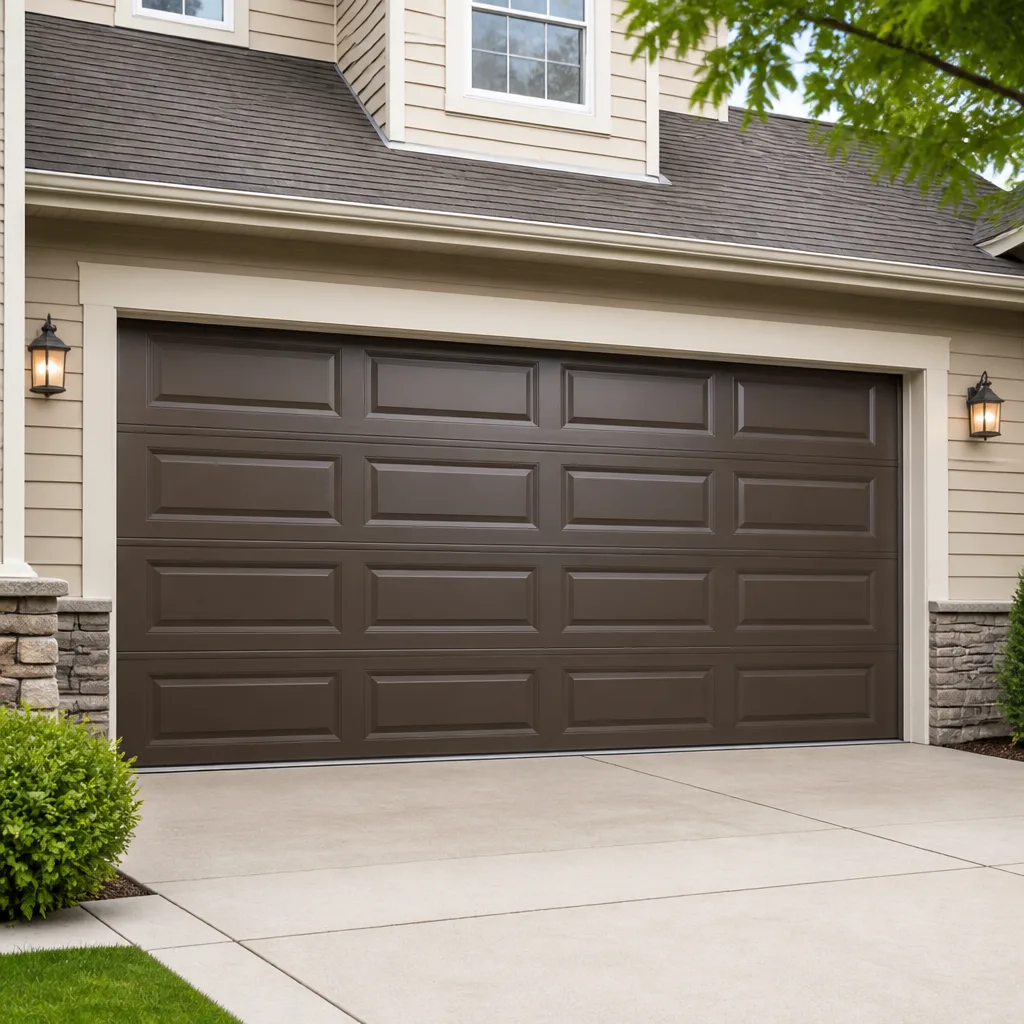 Raised-panel steel
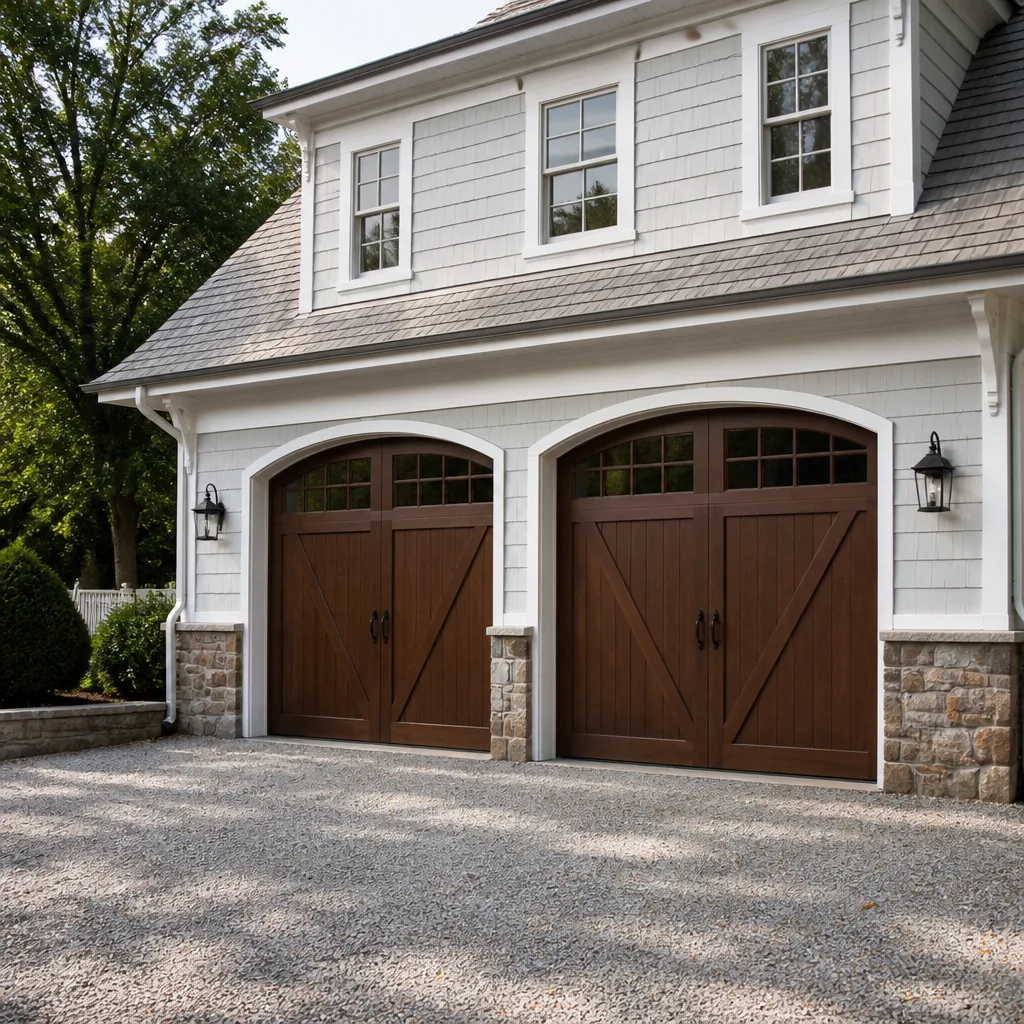 Carriage house
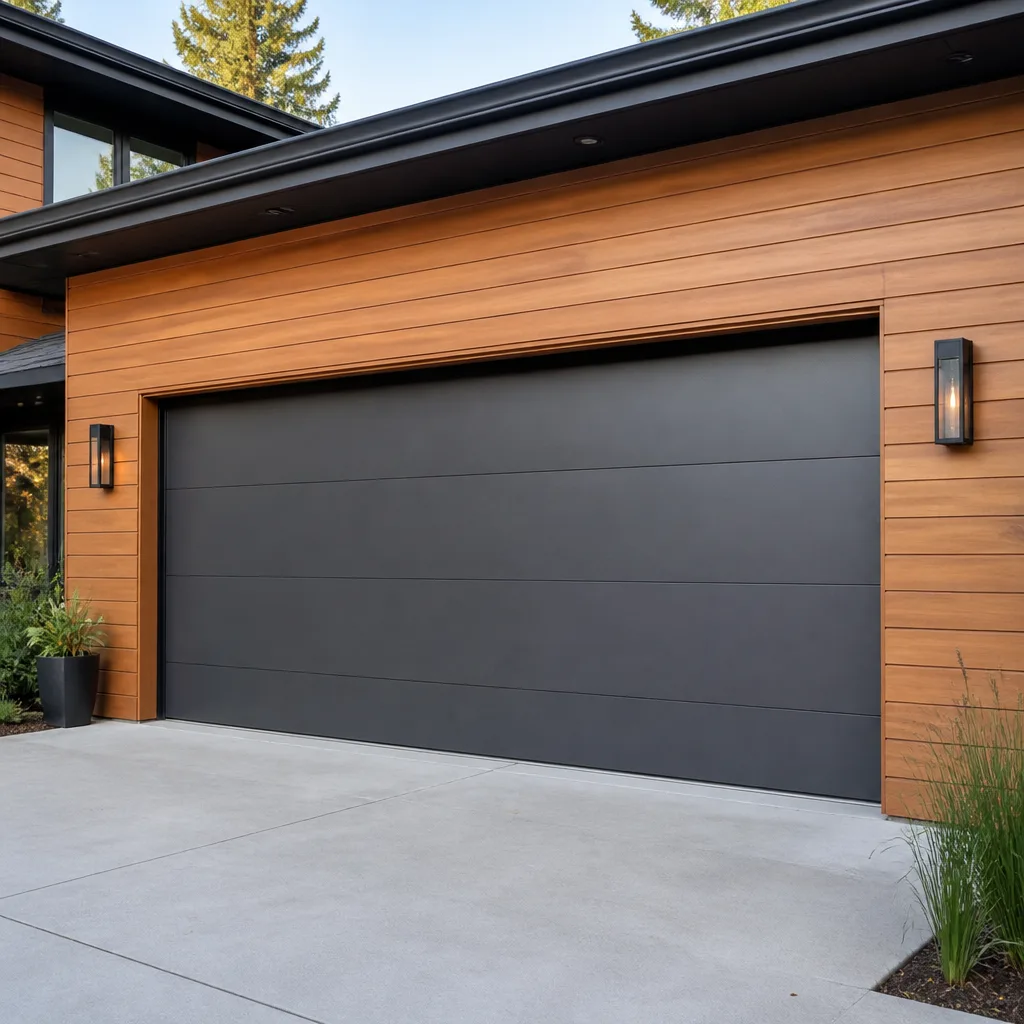 Modern flush
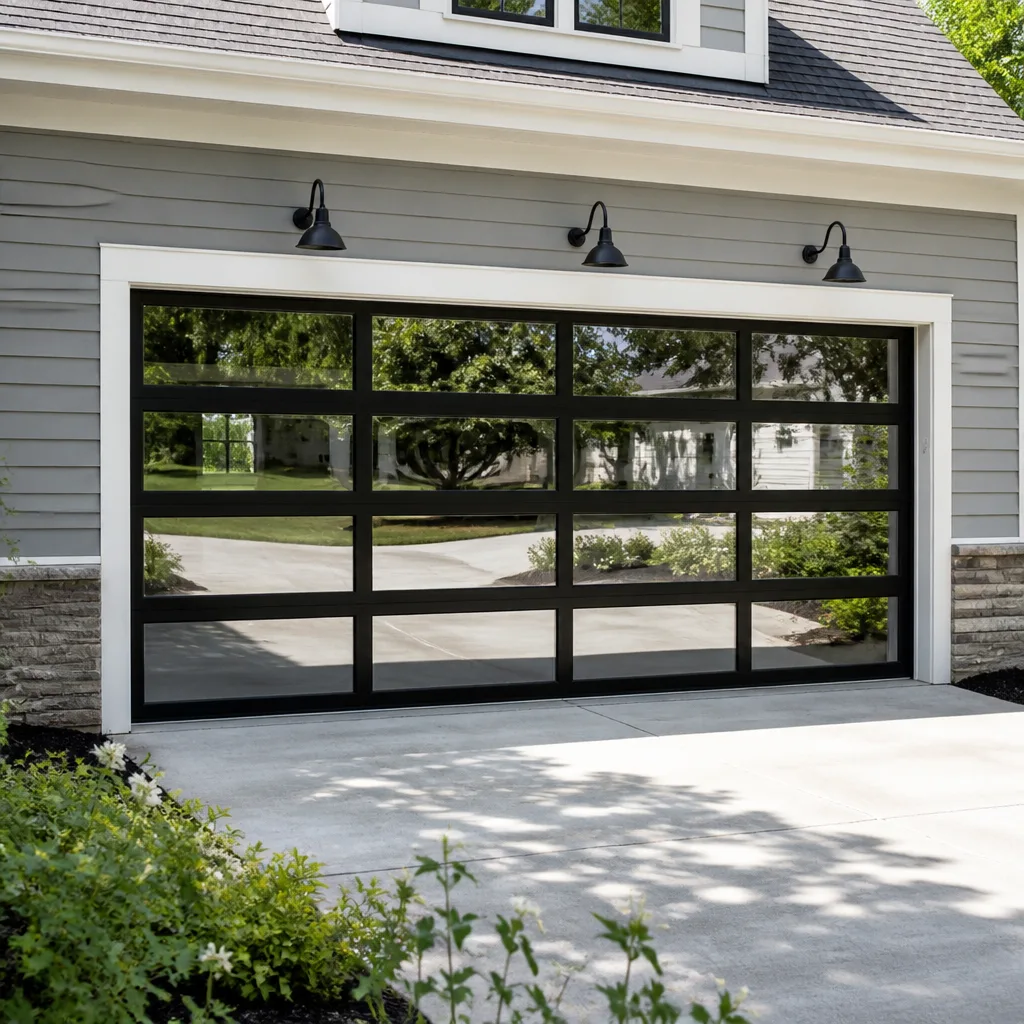 Full-view glass
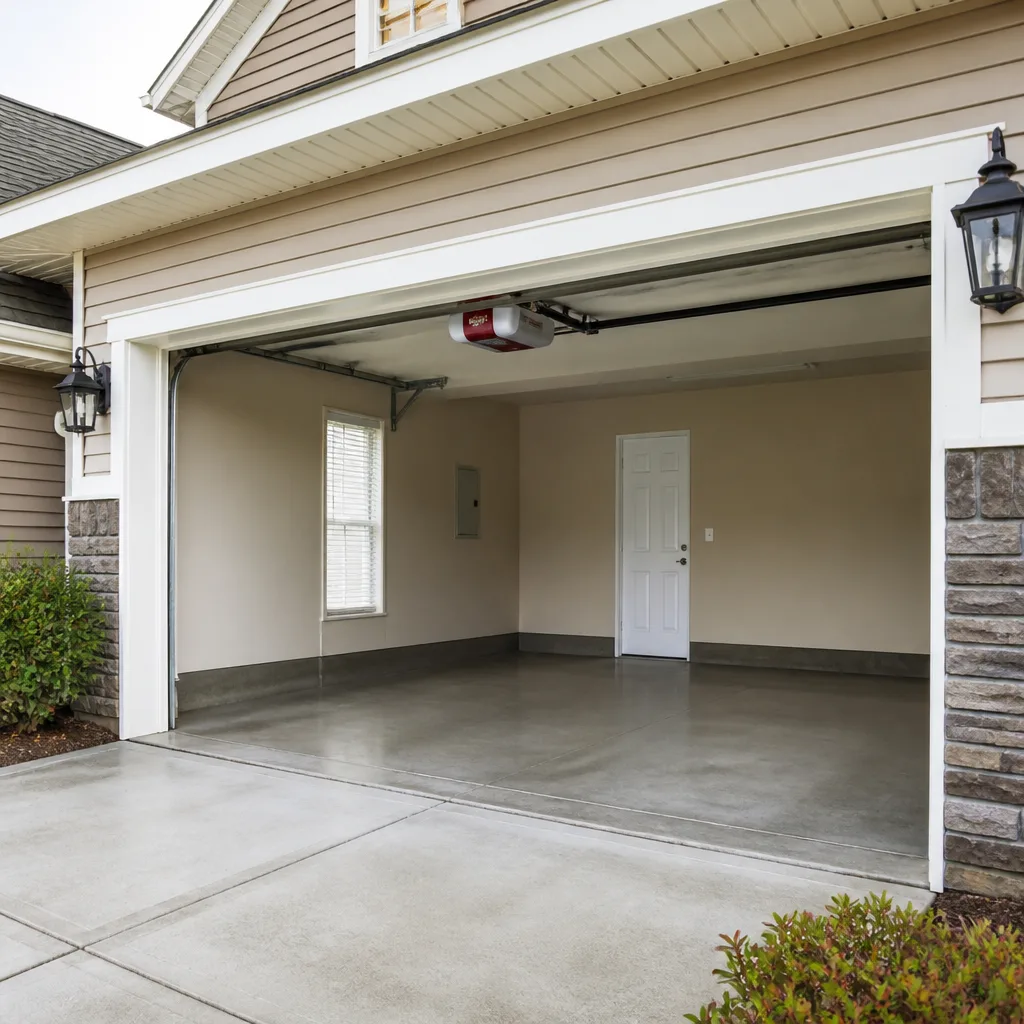 LiftMaster openers
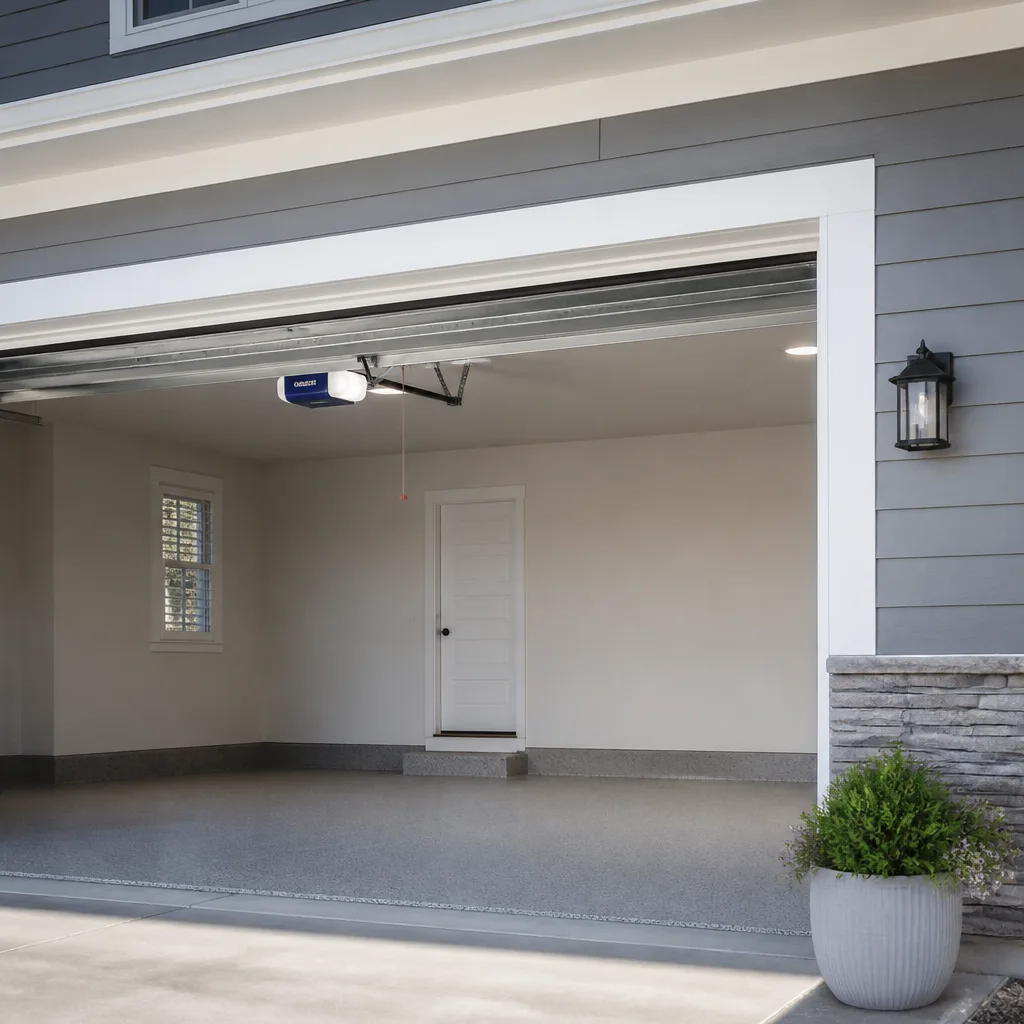 Chamberlain openers
Full 25-point door and opener safety check with every visit - springs, cables, rollers, tracks, and your LiftMaster or Chamberlain opener included
You get a price before we start. It does not change when the pro arrives.
Get your free estimateGarage Door Emergency Preparedness Guide for Dearborn Homes
Most garage door emergencies don’t come out of nowhere. They follow patterns: a cold snap after rain, a power outage during an ice storm, a torsion spring that’s been carrying the same load for years without anyone looking at it. The homeowners who get through a failure calmly aren’t luckier than the rest; they did their homework before anything broke. That’s what this guide is for. We’ll walk through the failures southeast Michigan weather tends to trigger in Dearborn, how to open and secure a door when the opener is dead, what to collect now so you’re not searching for a model number at the worst possible moment, and how to read a quote under pressure so a bad night doesn’t turn into an expensive one.
Quick Answer
A garage door emergency in Dearborn is manageable if you know three things in advance: how to use the manual release safely, how to secure an open door with something that actually holds, and which repair company you’ll call. Most emergencies trace back to predictable causes – storm-related power loss, cold-weather spring failure, or deferred maintenance on the opener – so the preparation you do on a calm afternoon prevents most of them and shortens the rest. When the door does fail, a written estimate agreed before work begins keeps you in control of the price.
Styles & brands we work with
- Raised-panel steel
- Carriage house
- Modern flush
- Full-view glass
- LiftMaster openers
- Chamberlain openers
Table of Contents
- Why Garage Door Emergencies Follow Predictable Patterns
- The Weather Events That Cause Most Dearborn Door Failures
- How to Use the Manual Release Cord Correctly
- How to Secure a Door That’s Stuck Open
- What to Gather Before You Ever Need It
- What to Do During a Power Outage
- How to Evaluate an Emergency Repair Quote
- Preventive Checks That Eliminate Most Emergencies
Why Garage Door Emergencies Follow Predictable Patterns
Garage doors fail in ways that repeat across every Dearborn neighborhood, from east-side blocks near Schaefer to the streets around Ford Road and west toward Telegraph. A torsion spring has a finite number of cycles. An opener’s plastic gears wear at a known rate. Weather seals crack on a schedule set by temperature swings, not by bad luck. When you understand which parts wear and roughly when, you stop treating every failure as a surprise.
The pattern matters because it changes how you spend your money. A homeowner who knows their springs are aging doesn’t wait for a snap on a freezing night – they get an inspection and replace on their own schedule. Someone who knows their opener is old doesn’t assume the whole door needs replacing when it groans. Here’s the general breakdown:
- Springs: the highest-stress component on the door, and the one most likely to fail after a run of cold nights.
- Openers: motors rarely die suddenly; gears, capacitors, and logic boards fail first, often after voltage irregularity from a storm.
- Cables and rollers: wear slowly and announce themselves with noise and vibration before they fail.
- Seals and weatherstripping: degrade fast in southeast Michigan’s freeze-thaw cycle, then let water and cold air in.
None of this requires technical skill to track. It requires a little attention on a mild day, and it’s the difference between a repair you plan and an emergency you survive. If you’d rather have someone look at the whole system, garage door repair covers the inspection and the fix in one visit.
The Weather Events That Cause Most Dearborn Door Failures
Southeast Michigan doesn’t get dramatic weather as often as other regions, but the events it does get hit garage doors hard, and each one tends to trigger a specific kind of failure. Knowing the pattern helps you act before the damage compounds.
Ice storms and freezing rain
A glaze of ice on the door panel adds weight the opener wasn’t designed to lift, and frozen weather seals can bond the door to the frame. Forcing the opener against a frozen door overloads the motor and can strip its gears. The result is an opener that runs but doesn’t lift, or a door that hangs partway with a strained mechanism.
Cold snaps
The first hard freeze after a wet fall is the classic trigger for torsion spring failure. Cold makes steel more brittle, and a spring already near the end of its cycle is more likely to snap on a subzero morning than in July. This is the single most common cold-weather emergency in Dearborn.
High wind
Straight-line gusts and thunderstorm downdrafts can bend panels, pop rollers out of their tracks, and twist a door enough to jam it. A door that’s been knocked off track looks dramatic but is often repairable if you stop using it immediately and don’t try to force it closed.
Power outages
Ice and wind knock out power, and a modern opener won’t lift without it. The door itself is fine; the problem is access. This is where the manual release matters, and where knowing the technique in advance saves you from damaging the door or hurting yourself.
The common thread: each event stresses a specific component, and each one rewards a homeowner who has already checked that component, replaced the worn parts, and knows what to do when the power drops.
How to Use the Manual Release Cord Correctly
The manual release lets you operate the door by hand when the opener fails or the power is out. Used correctly, it’s simple and safe. Used wrong, it can drop the door hard or leave the safety reverse system out of sync. The cord hangs from the opener’s trolley, usually with a red handle. Here’s the right sequence:
- Make sure no one is under the door. Clear the area before you touch anything.
- Stand clear and pull straight down and slightly toward the door to disengage the trolley from the opener. Don’t yank at an angle; the mechanism is designed for a straight pull.
- Lift the door slowly by hand. A well-balanced door should feel manageable. If it’s extremely heavy or won’t stay up, a spring is likely broken – stop and don’t force it.
- Prop or support the door if you need it open for more than a moment. A door with a broken spring won’t hold itself up, and a falling door is a real injury risk.
- To re-engage, close the door fully first, then pull the cord again or cycle the opener so the trolley reconnects. Never re-engage while the door is open.
A safety caution: springs and cables are under extreme tension and can cause serious injury if you try to adjust or replace them yourself. If the door feels unbalanced, won’t stay up, or a cable looks slack or frayed, leave it alone and call a trained technician. The manual release is for opening and closing the door by hand – not for servicing the tension system.
How to Secure a Door That’s Stuck Open
A door stuck open is a security problem, and the solutions people reach for first are often the least effective. The goal is to block the opening in a way that resists a real attempt to get in, not just a visual deterrent.
What actually works
- Heavy furniture or stored items braced across the opening – solid, visible, and hard to move from outside.
- A vehicle parked tight against the opening on the inside if the layout allows it.
- Cut-to-fit plywood or a board across the opening, screwed into the frame – not leaned against it.
- Motion-activated light or a temporary alarm if you have one on hand, to make the opening less attractive to someone testing it.
What creates a false sense of security
- A chair wedged under the door – it shifts, and anyone pushing from outside moves it.
- A rope or bungee across the opening – looks like a barrier, stops nobody.
- Leaving it and hoping – an open garage is the easiest entry point on most properties.
If the door is stuck open because of a track or cable problem, don’t force it closed – forcing a jammed door can bend panels and turn a repair into a replacement. Secure the opening with something solid, then call for service. A same-day repair visit is often the fastest way to get the door functioning and the garage locked again.
What to Gather Before You Ever Need It
The worst time to research repair companies is when your door is stuck open and it’s late. A little information gathered on a calm day removes the panic from the moment and keeps you in control of the price. Here’s what to collect and keep in one place, either a note on your phone or a folder in the garage:
- Your door’s make and model. Look on the inside of the door panel or the frame for a manufacturer’s label. Brands like Amarr, Wayne Dalton, Craftsman, and Raynor put identification there, and it tells a technician exactly what parts they’re working with.
- Your opener’s make and model. The label is on the back or side of the motor unit. This matters for opener repairs, since parts vary widely between LiftMaster, Chamberlain, and Genie units.
- Rough ages of the major components. Note the year the door, opener, and any springs you know about were installed, if you have that history. Age tells a technician what to inspect first.
- A repair company’s number you’ve already vetted. Save it in your phone under “garage door” so you’re not searching in a crisis.
- Photos of the door and opener labels. A phone photo means you have the model number even if the label fades or gets covered.
Fifteen minutes of collecting this information now is the difference between a quick call and a stressful search in the dark. It also means the technician who arrives already knows what they’re dealing with, which usually shortens the visit.
What to Do During a Power Outage
When the power goes out, the door isn’t broken – the opener just has no electricity. In Dearborn, ice storms and high wind are the usual causes, and outages can last for hours. Here’s the sequence that keeps the door and the safety system intact:
- Check that the outage is building-wide before assuming the opener failed. If lights and clocks are out too, it’s the power, not the door.
- Use the manual release to disengage the opener (see the section above), then lift the door by hand if you need access.
- Close and re-engage the door before power returns so the opener resets to its normal position. Running the opener against a disengaged trolley can cause it to lose its travel limits.
- After power comes back, test the safety reverse. Put a small object under the door’s path and confirm it reverses on contact; if it doesn’t, the door needs attention before regular use.
One more thing worth knowing: a surge when power returns can damage an opener’s logic board, especially on older units. If the opener behaves oddly after an outage – lights flashing, door stopping partway – that’s a sign the board took a hit, and garage door opener repair is the fix. Don’t keep cycling a malfunctioning opener hoping it corrects itself; repeated bad cycles can damage the door’s mechanism too.
How to Evaluate an Emergency Repair Quote
When a door fails, the pressure to say yes to the first number you hear is real. The one question that cuts through panic pricing is simple: “What exactly is being replaced, and what’s the price for each part and the labor, in writing?” A straight answer to that question tells you whether you’re dealing with a company that diagnoses before it quotes, or one that quotes before it looks.
Here’s what a fair emergency repair quote looks like:
- A diagnosis first. The technician identifies the actual failed component and explains why it failed, not just what to replace.
- Line items, not a single lump sum. Parts and labor should be broken out so you can see what you’re paying for.
- A clear statement of the final price, agreed before work starts. No surprises when the invoice appears.
- A repair-first recommendation. If the door can be fixed, it should be offered as an option before a replacement is suggested.
An estimate should be written and free. If a company won’t put the price in writing, or adds items after the work is done, that’s the pattern to walk away from – even on a bad night. A company that’s forthright will tell you what’s wrong before it tells you what it costs, and the price on the phone should be the price on the invoice. Pricing varies with the part and the job, so the written estimate, not a phone guess, is what sets the final number. For an exact quote, call (833) 454-5390 – estimates are free.
Preventive Checks That Eliminate Most Emergencies
The most effective emergency prep is the fifteen minutes you spend on the door before anything is wrong. These checks don’t require tools or training, and they catch the failures that turn into emergencies:
- Open and close the door once a month and listen. Grinding, squealing, or a door that shudders tells you a roller or spring is worn.
- Watch the balance. Disengage the opener and lift the door halfway by hand. It should stay there easily. If it won’t, the springs are losing tension.
- Check the safety reverse. Lay a small board or roll of paper under the door’s path and confirm it reverses on contact. If it doesn’t, that’s a safety component failing, not a minor glitch.
- Inspect the weather seal at the bottom each fall. A cracked or torn seal lets water and cold in, and in Dearborn’s freeze-thaw cycles that water can freeze the door to the frame.
- Look at the cables on each side. Fraying or slack means a problem is developing; don’t touch a tensioned cable, call a technician.
- Keep the tracks clear of debris and confirm the rollers that ride in them turn freely and aren’t worn flat.
If a check turns up something you’re unsure about, an inspection on a mild day is far cheaper than a repair at midnight. In our experience, a door that’s looked at twice a year rarely produces a true emergency.
Common Mistakes to Avoid
- Forcing a stuck door. If the door is jammed or off track, forcing it bends panels and can turn a track repair into a full replacement. Stop using it and call for service.
- Assuming a dead opener means a dead door. Often the door is fine and the opener or the power is the problem. Diagnose before replacing anything.
- Doing spring or cable work yourself. These parts are under extreme tension and can cause serious injury. Leave them to a trained technician; the manual release is as far as a homeowner should go.
- Patching a cracked bottom seal and forgetting it. A spot fix holds for a season at best, and in Dearborn’s freeze-thaw winters the water gets back in fast. Replace worn seals before the cold arrives.
- Saying yes to the first emergency quote without asking what’s being replaced. Ask for the parts and labor in writing before anyone starts. A forthright company won’t hesitate to give it.
- Keeping an old opener cycling after a power surge. A malfunctioning opener can damage the door itself. If it misbehaves after an outage, get it checked rather than run it repeatedly.
- Not knowing your models. Without a door and opener model number, a technician may not have the right part on the first visit, which turns one trip into two. Collect that information now, while everything works.
See the difference
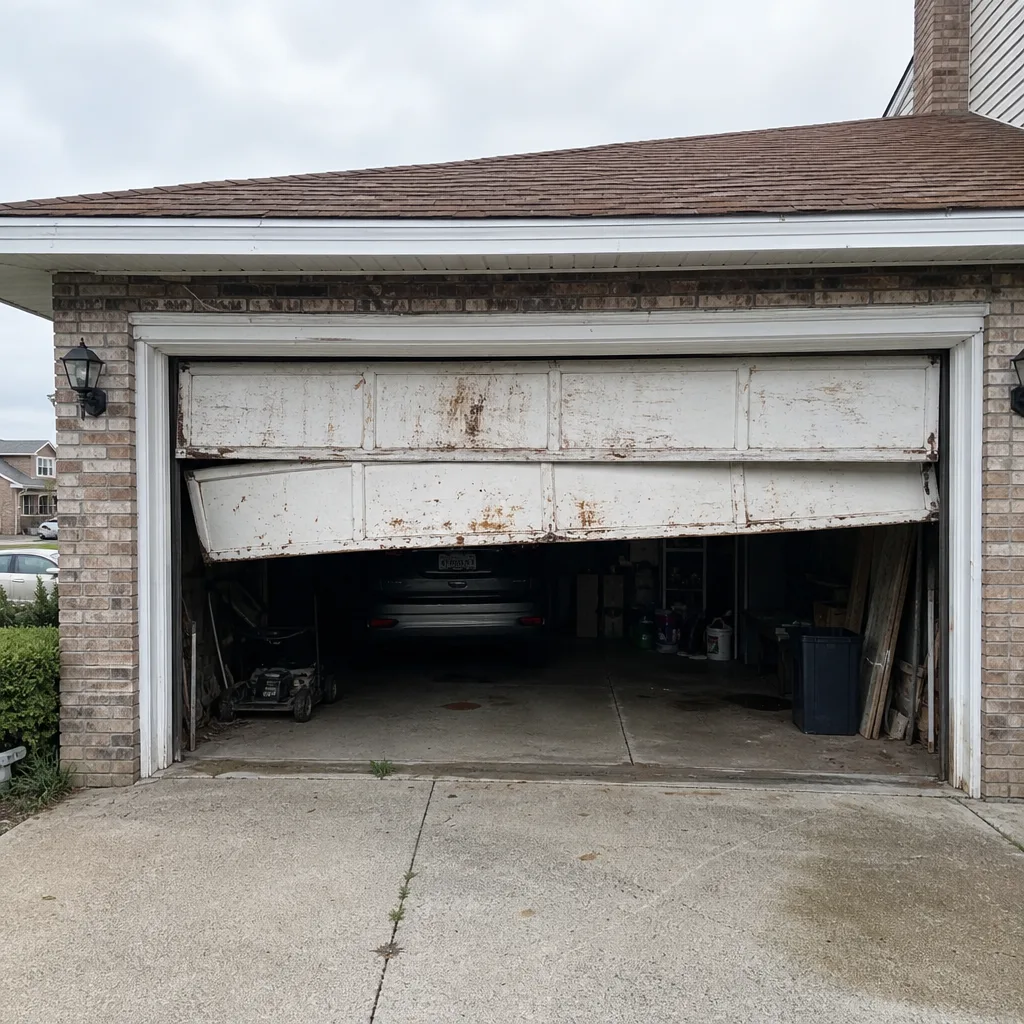 Before
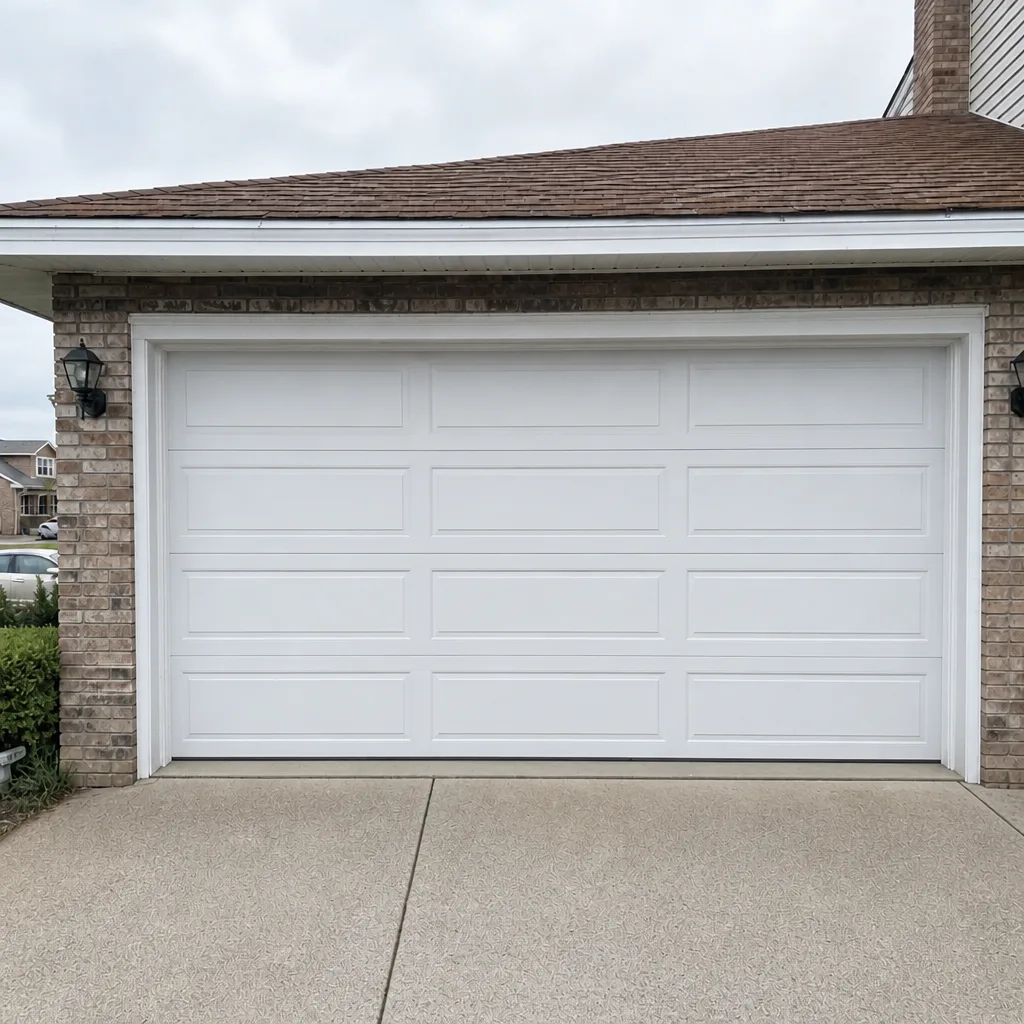 After
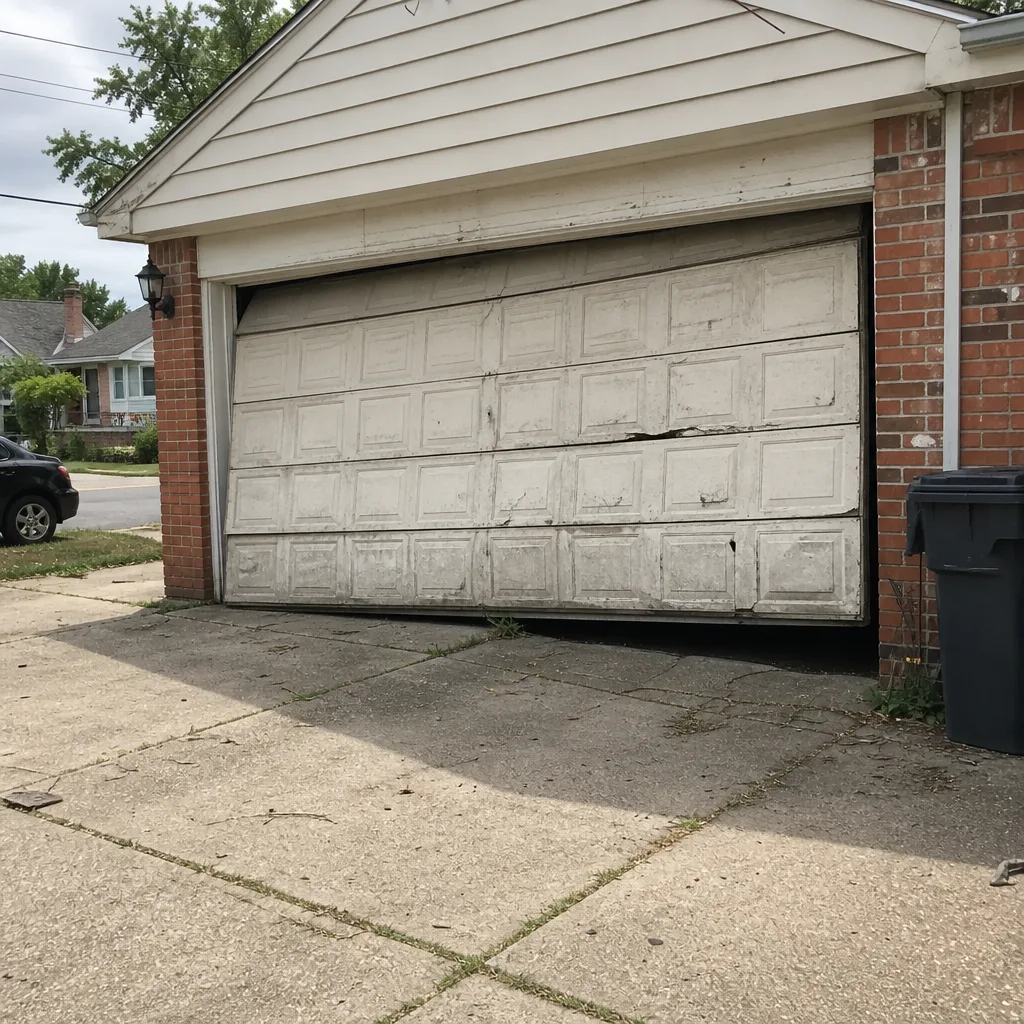 Before
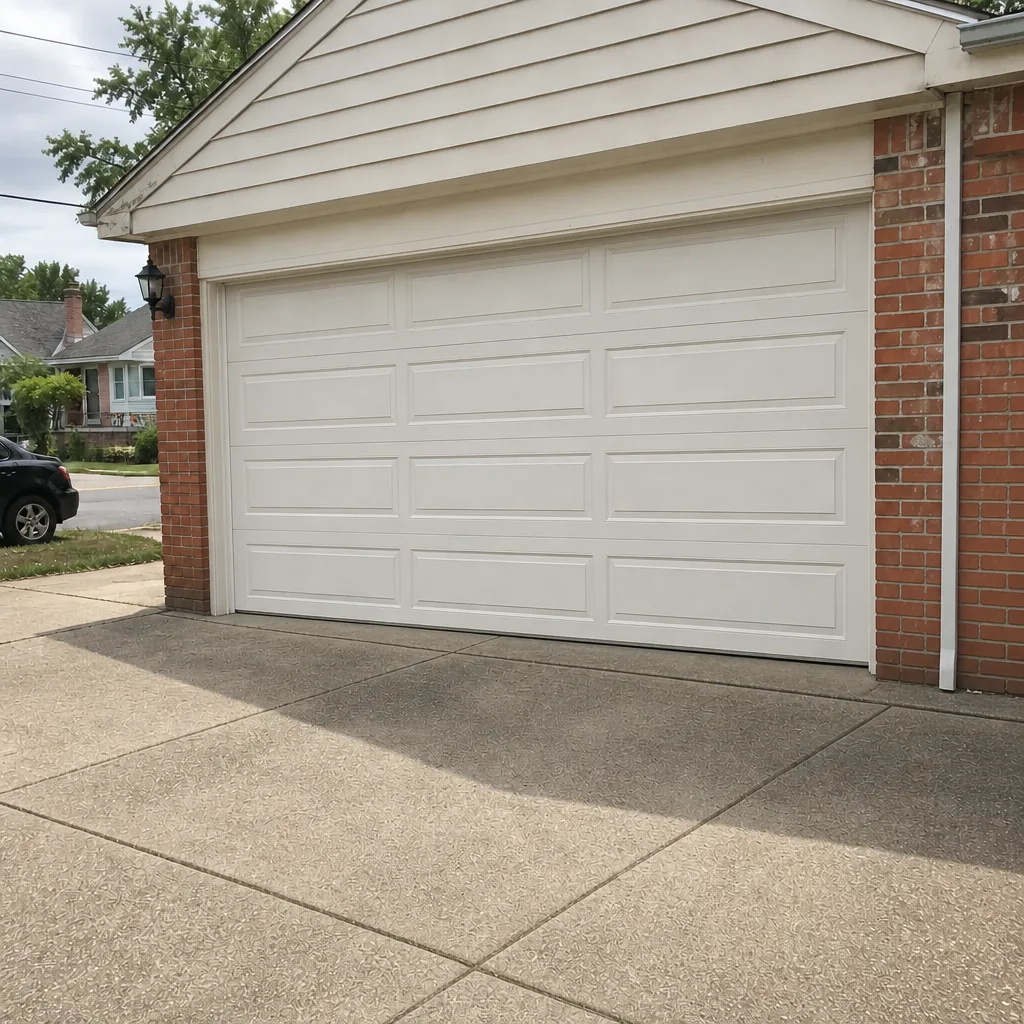 After
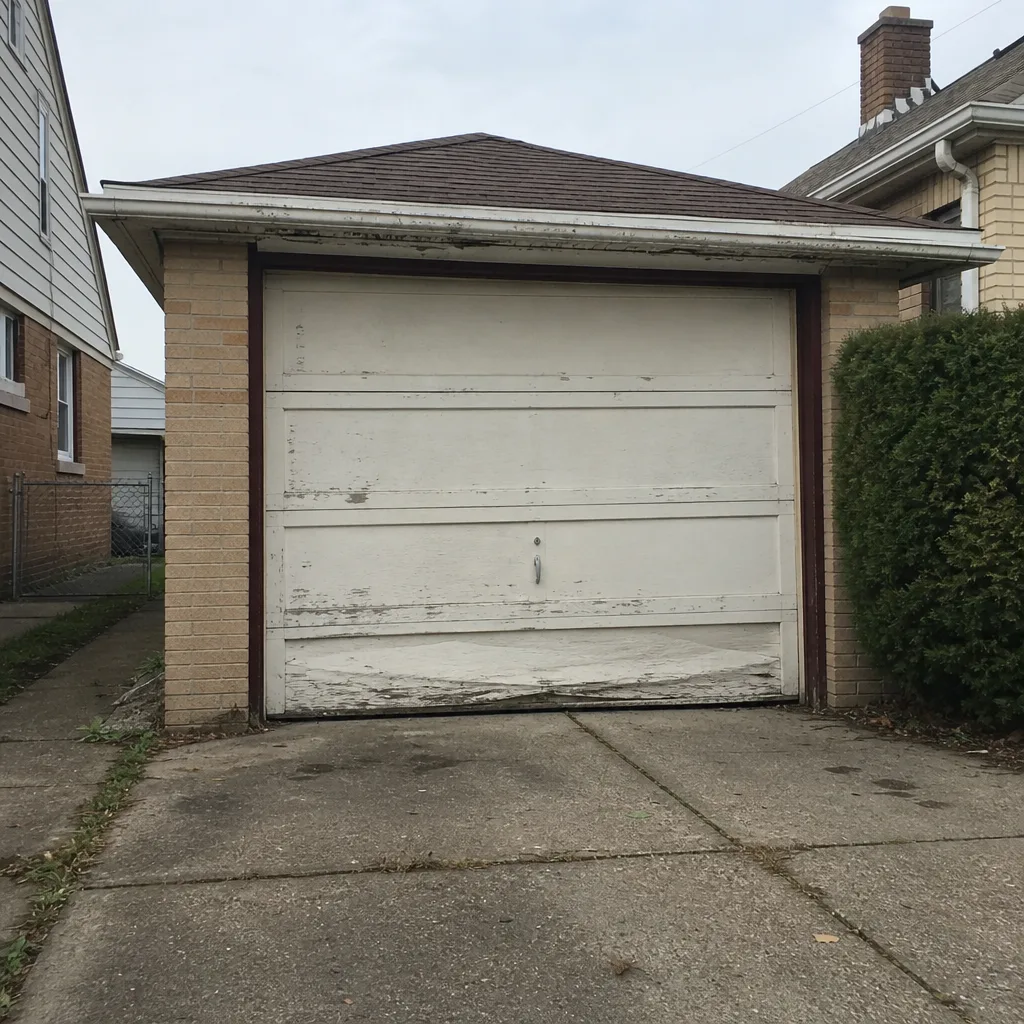 Before
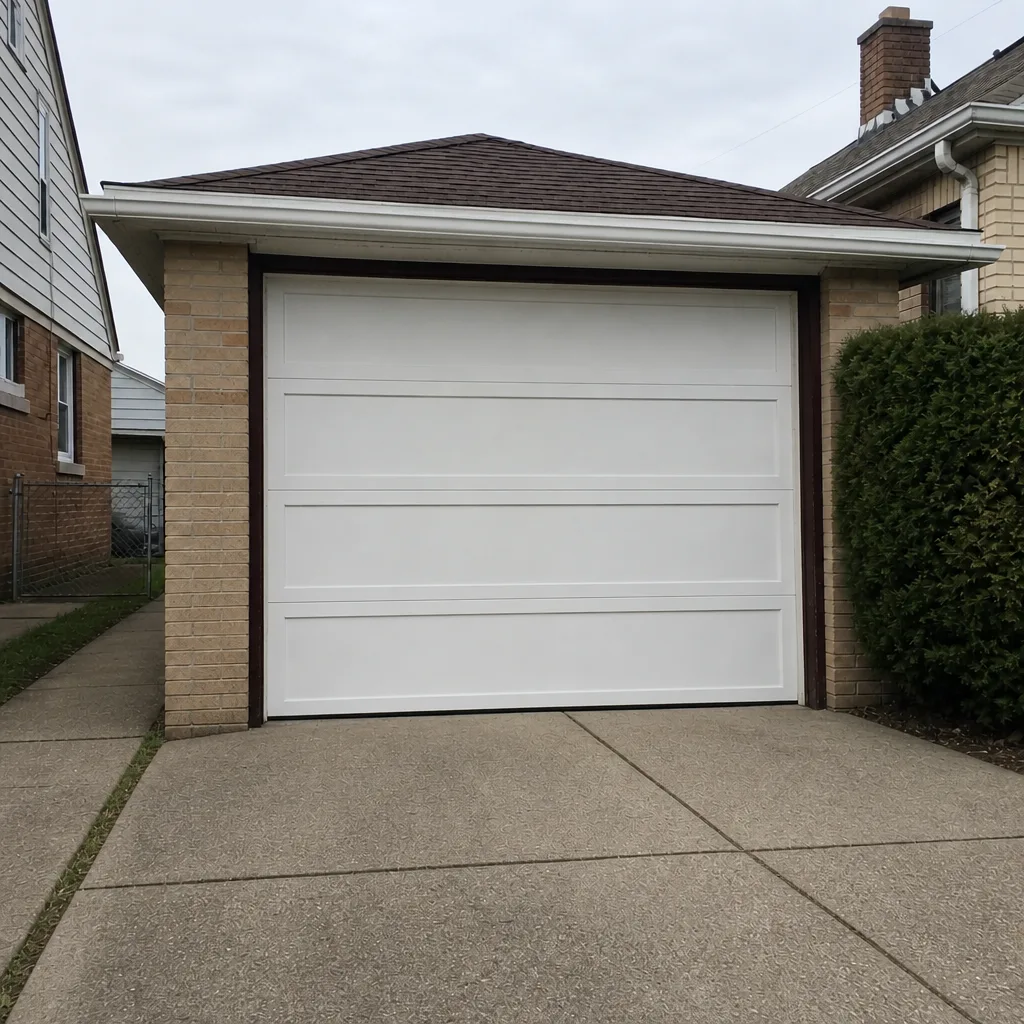 After
When to Call a Professional
Some problems are worth a phone call, and some get expensive if ignored. Call a professional if a spring has snapped – the door is very heavy and won’t stay up safely. Call if the door is off track, a cable looks frayed, or the opener runs without lifting the door. Call if the safety reverse doesn’t work, since that’s a safety system failure, not a minor inconvenience. Call if the door is stuck open and you can’t secure it, or if it behaves oddly after an outage. And call if you’re unsure whether a noise is normal; an inspection on a mild day is easier and cheaper than a repair at midnight.
Forthright Garage Door Repair offers free estimates in Dearborn – call (833) 454-5390. Every estimate is written and agreed before work starts, and we work on products from the brands you already own, including Amarr, Wayne Dalton, Craftsman, and Raynor. We answer 24/7. Fast dispatch from 7am to 7pm, Sunday through Friday.
Frequently Asked Questions
Pull the manual release cord straight down to disengage the opener, then lift the door by hand. If the door is very heavy or won’t stay up, a spring is likely broken and you shouldn’t force it. Close and re-engage the door before power returns, and test the safety reverse afterward.
Secure the opening with something solid – heavy furniture braced across it, a vehicle parked tight, or plywood screwed into the frame – and don’t force the door closed. Forcing a jammed door can bend panels and turn a repair into a replacement. Then call for service; a same-day repair visit is the fastest way to get the door working and the garage locked.
Yes, most repairs can be handled the same day. We answer 24/7, with fast dispatch from 7am to 7pm, Sunday through Friday. A call outside dispatch hours is booked into the next opening, Sunday through Friday, 7am to 7pm. The estimate is free and written, and the price is agreed before work starts.
No – the written estimate sets the price before work begins. If the technician finds something additional during diagnosis, you’ll be told what it is and what it costs before any extra work is done. A forthright estimate is one you can rely on, and there’s no surprise on the invoice.
Cold makes steel more brittle, and a torsion spring already near the end of its cycle is more likely to snap on a subzero morning than in warm weather. The freeze-thaw cycle also stresses the door and its seals. A spring inspection in the fall catches the wear before the first hard freeze.
Yes – our technicians are state-licensed and insured and bonded, and our technicians have up to 11 years of experience. They work on products from eight major brands, including LiftMaster, Chamberlain, Genie, Clopay, Amarr, Wayne Dalton, Craftsman, and Raynor, and repair first rather than push a replacement. Call (833) 454-5390 for a free estimate.
The Bottom Line
Garage door emergencies in Dearborn follow patterns, and that’s good news: patterns can be prepared for. Know your door and opener models. Use the manual release correctly and keep clear of spring and cable tension. Secure a stuck door with something solid, not a chair or a rope. When the power drops or a spring snaps, the quote you hear should be written, itemized, and agreed before work starts – that’s the standard to hold any company to. Do the fifteen-minute checks twice a year, and most of the emergencies in this guide never happen. When one does, you’ll already know who to call and what to expect.
Written by the team at Forthright Garage Door Repair.