
Last updated November 15, 2026
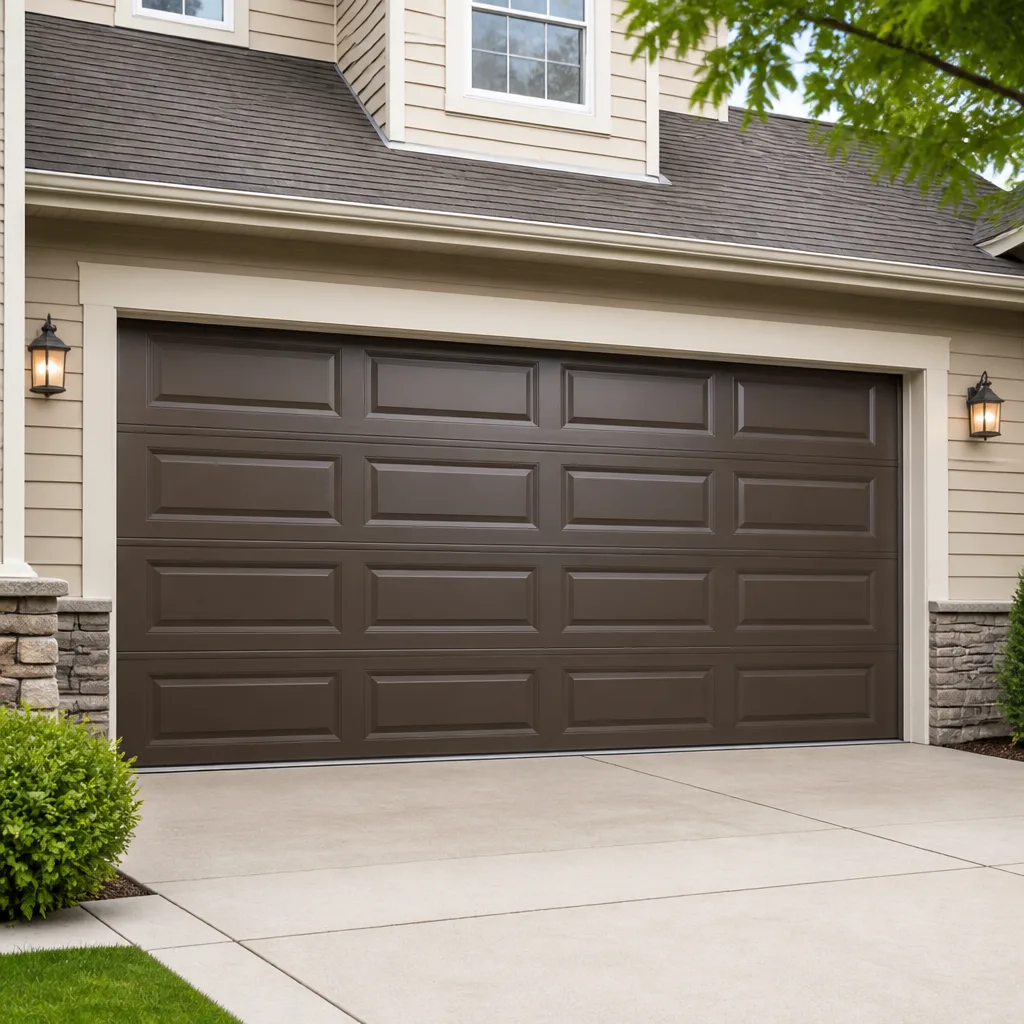 Raised-panel steel
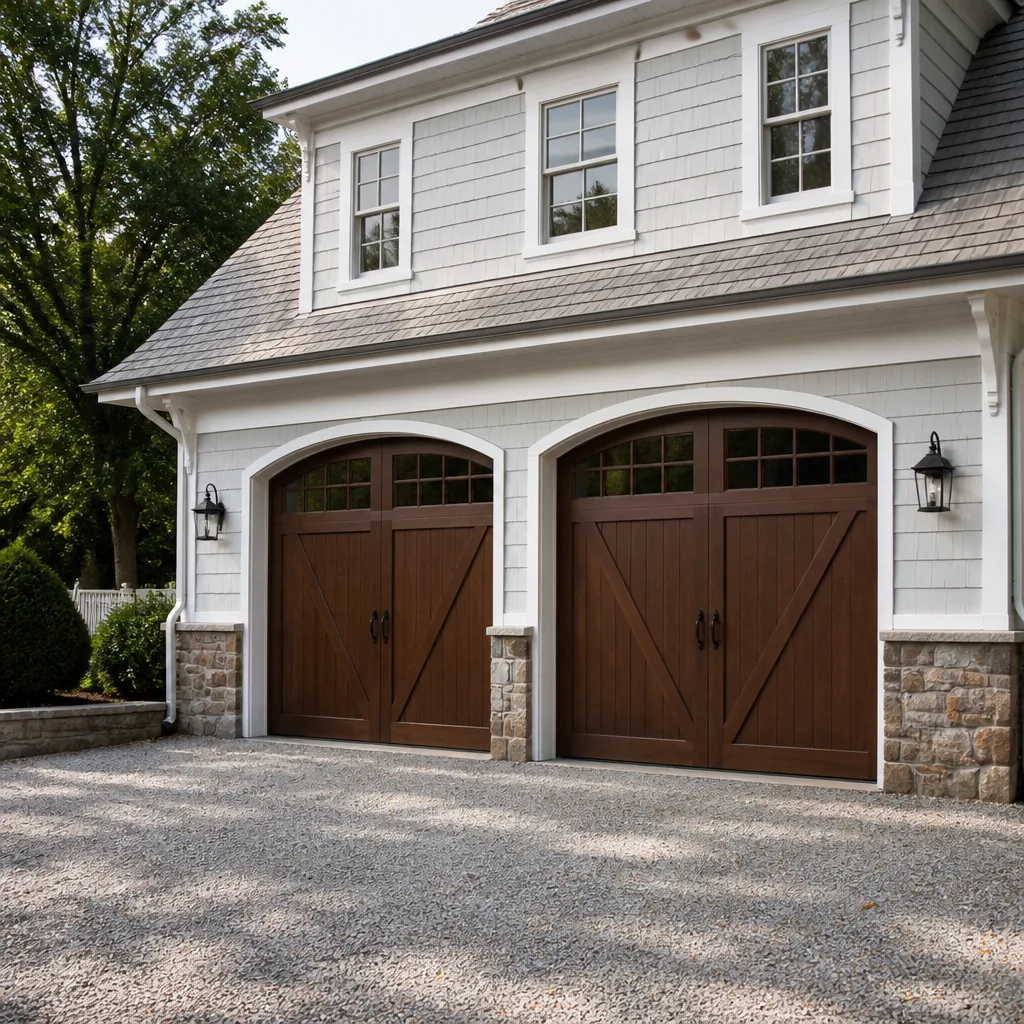 Carriage house
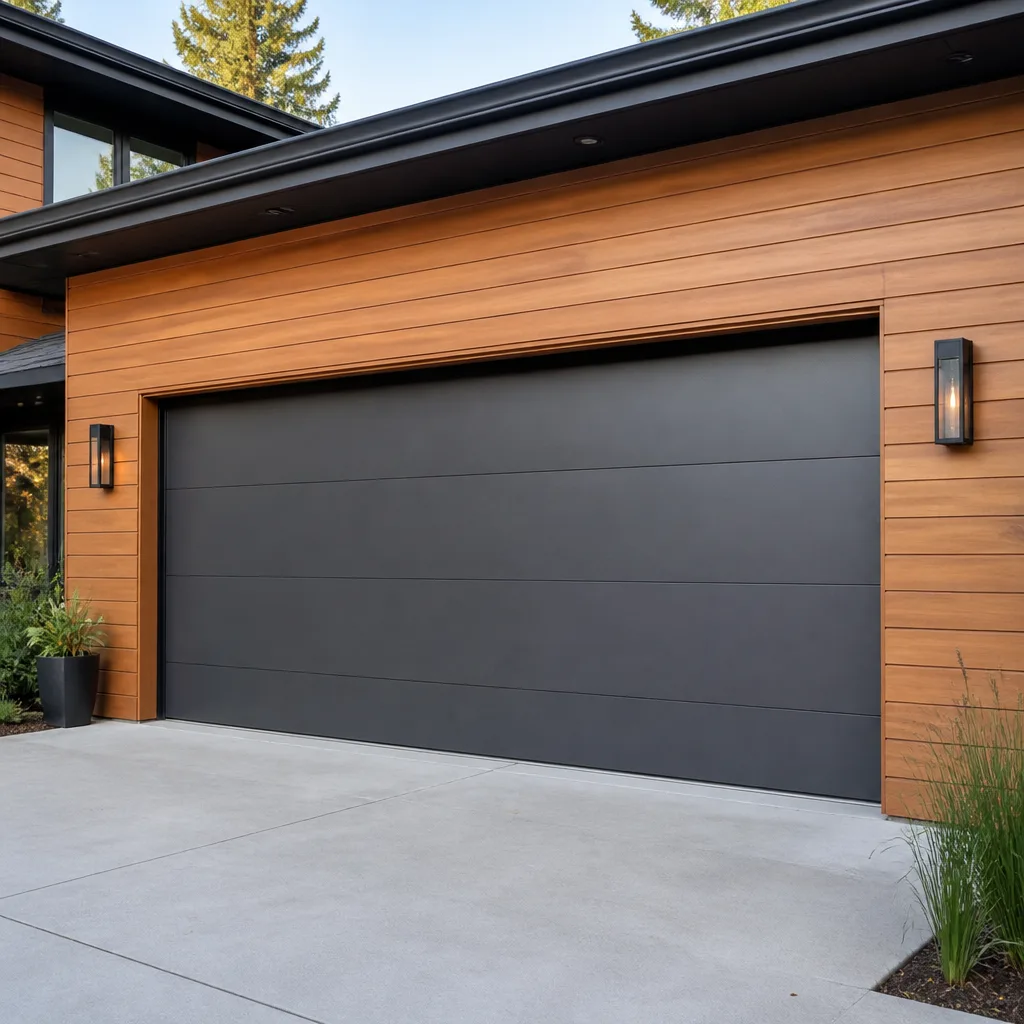 Modern flush
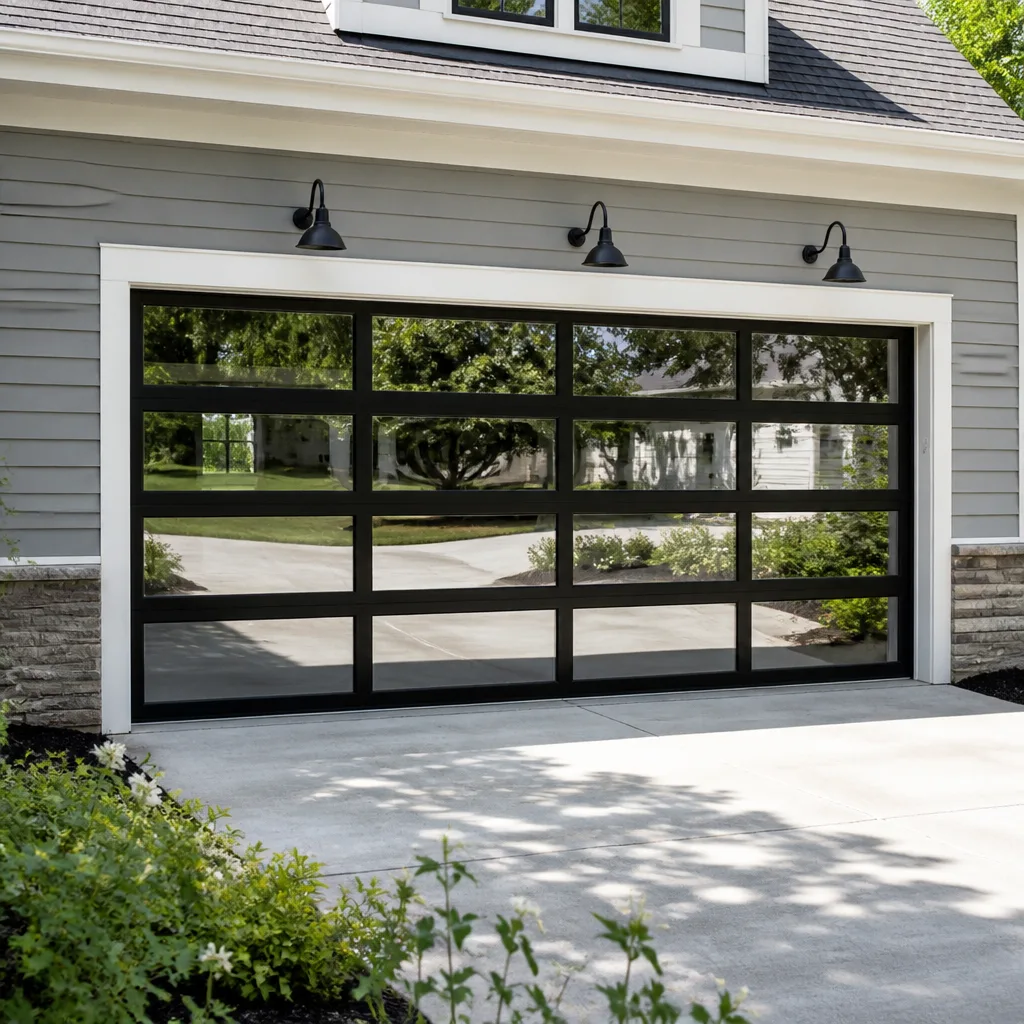 Full-view glass
 LiftMaster openers
 Chamberlain openers
Full 25-point door and opener safety check with every visit - springs, cables, rollers, tracks, and your LiftMaster or Chamberlain opener included
You get a price before we start. It does not change when the pro arrives.
Get your free estimateDIY vs Professional Garage Door: The Dearborn Homeowner’s Decision Guide
Torsion spring replacement injures homeowners every year, and not because those homeowners lack ability. It’s because the danger isn’t a skill question at all. A wound torsion spring holds hundreds of pounds of stored mechanical energy, and that energy can release in an instant if it’s handled without the right winding bars, the right technique, and the right understanding of what’s under load. That’s a different reason than “leave it to the professionals.” It’s a reason built on physics, not on marketing. The same logic applies to some garage door jobs in Dearborn and not to others, and this guide sorts every common task into honest categories: genuinely safe to do yourself, possible with the right tools and research, and risky enough that the math changes. You’ll learn where the break-even point actually sits, what Michigan insurance and Wayne County disclosure rules mean for DIY work, and where to buy parts around Dearborn.
Quick Answer
Some garage door tasks are safe for a careful homeowner; others are not worth the risk at any skill level. Replacing weather seals, lubricating hinges and rollers, tightening loose brackets, and adjusting photo-eye alignment on an opener are reasonable DIY jobs. Springs, cables, and any work with the door under tension belong to a trained technician because the injury risk comes from stored energy, not from a lack of ability. For everything in between, the honest test is whether a mistake could hurt you or damage the door beyond the cost of a professional repair.
Styles & brands we work with
- Raised-panel steel
- Carriage house
- Modern flush
- Full-view glass
- LiftMaster openers
- Chamberlain openers
Table of Contents
- Sorting Garage Door Tasks: Three Honest Categories
- What’s Genuinely DIY-Safe in Dearborn
- The High-Risk Tasks and Why Skill Isn’t the Issue
- The Real Cost of a DIY Mistake
- Where to Buy Parts Around Dearborn
- How Michigan Insurance Treats Self-Performed Work
- What to Document Before You Sell in Wayne County
- Dearborn Climate and Your Door
Sorting Garage Door Tasks: Three Honest Categories
The garage door industry has a habit of telling homeowners everything is a pro job. That’s not true, and saying so doesn’t help anyone trust the actual advice. In our experience, the useful split is three categories, not two.
Category one: safe DIY. These tasks involve no stored tension, no electrical circuit live at the moment of work, and no component that can fail catastrophically. Weather seals, lubrication, tightening nuts and bolts, and cleaning and aligning safety sensors all fit here.
Category two: DIY-possible with research. These jobs need a specific tool, a step-by-step guide, and some patience, but a careful homeowner with the right preparation can usually manage. Replacing a wall-mounted opener button, swapping a remote’s battery and programming a new one to a LiftMaster or Chamberlain unit, and replacing a bent bottom bracket on a door with no tension are in this group, depending on the door’s configuration.
Category three: not worth the risk. Torsion springs, extension springs, and the cables that run alongside them carry stored energy that releases without warning. Electrical panel wiring inside the opener is another, and so is anything that requires standing on a ladder to reach the door’s top section while it’s open. These belong with a trained technician in Dearborn just as they do anywhere else.
Sorting a job into the right category first is what saves money and time. Misclassifying a Category 3 task as Category 2 is where the injuries and the expensive mistakes come from.
What’s Genuinely DIY-Safe in Dearborn
The tasks below are the ones we’d tell a friend they can handle. None of them involve springs, cables under tension, or a live electrical circuit, and each can be undone if you make a mistake.
- Weather seal replacement. The rubber or vinyl strip along the bottom of the door slides out of an aluminum retainer and pushes back in. Buy the correct width, cut it with a utility knife, and feed it through. This matters more in Dearborn than in many places because cold winters make a brittle seal crack faster.
- Lubrication. A garage-door-specific lubricant on hinges, rollers, and the torsion bar bearings (not the springs themselves) quiets a noisy door. Lithium grease or a silicone spray made for garage doors works; general WD-40 is not the right product for hinges.
- Tightening hardware. Loose hinge bolts and bracket screws create rattle and can misalign the door. A socket wrench and a few minutes of tightening on the hinges is fine. Stop and call us if you find a bracket that’s torn from the door panel; that’s structural.
- Safety sensor alignment. The two photo-eye sensors near the floor should face each other and light steadily. If one is bumped or dusty, cleaning the lens and nudging the bracket straight often solves it. This is safe and quick.
- Remote programming. Many LiftMaster and Chamberlain remotes can be paired from the wall button by pressing the learn button and following the manual. It’s a two-minute job with no risk.
Anything beyond this list should be checked against the risk category before you start. If you’re not sure which category a Dearborn job falls into, that’s a good moment to call and ask. We tell people what’s wrong before we tell them what it costs, and that includes saying “you can do that one yourself.”
The High-Risk Tasks and Why Skill Isn’t the Issue
This is the section where we’re blunt. Torsion springs and the cables that hold them are not a skill problem. They are a stored-energy problem. A wound torsion spring on a standard residential door in Dearborn holds the weight of the door in tension. The winding bars that hold it in place are the only thing keeping that energy contained during the job, and if one slips or a spring snaps while you’re working, the release is violent and immediate.
Homeowners get hurt every year on this exact task, and most of them were capable people. They watched a video, bought the parts, and discovered too late that the video left out how fast a spring moves when it fails.
The high-risk tasks we won’t recommend as DIY, at any skill level:
- Torsion spring replacement or adjustment. Requires proper winding bars, correct spring sizing, and a controlled wind-down procedure.
- Extension spring replacement. Less technical than torsion but still stores significant energy, and older extension springs without a safety containment cable are a real hazard.
- Cable replacement. Cables are under tension whenever the door is down. A cable that slips can whip and injure.
- Track straightening or replacement. Bent track can let the door’s rollers escape, and a door that comes off track under tension can drop.
- Panel replacement on a door with broken springs. A door with a compromised spring can be unstable, and lifting panels on an unbalanced door is dangerous.
Our technicians have up to 11 years of experience with exactly these jobs. When one of them walks you through what’s involved, the point isn’t to scare you. It’s to make the break-even honest. A torsion spring repair is a scheduled, measured job, not a same-day emergency, and the written estimate you get before work starts is the price you pay. That’s what garage door repair means in practice for a high-risk task.
The Real Cost of a DIY Mistake
The honest way to compare DIY with professional work isn’t the price of the part against the price of the repair. It’s the part plus the cost of a mistake against the repair. When a mistake on a high-risk garage door task goes wrong, the second cost often dwarfs the first.
A few of the things a DIY mistake on a spring or cable can cost, beyond the injury risk:
- Bent or broken door panels. A door that drops or comes off track can damage panels, which cost far more to replace than the spring you set out to fix.
- Damaged opener. An opener that lifts a door with an unbalanced or broken spring can burn out the gear or strip the trolley. What was a spring job becomes a spring job plus opener repair.
- Repeat work. A spring that fails early because it was the wrong size or wound incorrectly means the job gets done twice, and the second time includes the first.
Compare that to a written estimate from a professional, agreed before any work starts, with no surprises at the invoice. For most high-risk Dearborn jobs, the calculation comes out clearly on the professional side once you price in even one common mistake. For a low-risk task like a weather seal, the DIY savings are real and we’ll say so. The point is to make the break-even visible, not to pretend it’s the same for every job.
Where to Buy Parts Around Dearborn
If you’re doing Category 1 or Category 2 DIY work, the part has to be right or the job fails. Dearborn homeowners have a few practical routes to residential parts.
Big-box home improvement stores carry weather seal kits, roller sets, and universal remote controls. They’re convenient, but the seal kits come in limited widths and the roller sets are one-size-fits-some. Check the retainer width on your door before you buy; a seal that’s too narrow leaves a gap, and one that’s too wide won’t seat.
Specialty garage door suppliers and local hardware stores in the greater Dearborn area stock a wider selection of hinges, rollers, and seal profiles, and the staff can usually match a part if you bring the old one in. This is where research pays off. For opener parts, note the brand and model number first. A part for a Craftsman opener won’t necessarily fit a Chamberlain unit even if they look similar, so match the model exactly.
For brand-specific opener components, the manufacturer’s own parts channel is often the surest source. If you’ve got a Raynor door, the door’s original spec matters for spring and seal replacement, and a supplier can look it up with the serial number.
When a part is out of production or you’re not sure what you need, calling us is faster than trial and error. We work on Craftsman, Raynor, LiftMaster, Chamberlain, and four other major brands, so we can usually tell you what part the door actually needs before you buy the wrong one.
How Michigan Insurance Treats Self-Performed Work
This is a question homeowners ask us less often than they should. If you do your own garage door work and a later failure causes property damage, how your Michigan homeowner’s policy responds depends on a few things, and the answer isn’t always what people expect.
Standard homeowner’s policies generally cover sudden accidental damage to the dwelling, but they also contain exclusions. Faulty workmanship is a common exclusion, and self-performed work that leads to damage can fall into that category. A door that fails because a spring was wound incorrectly and damages the door or something below it may be scrutinized. A door that fails because a professional’s work was defective is a different question, and your policy or the professional’s insurance comes into play.
We’re not insurance advisors and we won’t guess at your specific policy. The practical step is to call your insurer before you start DIY work on anything beyond the safe category, and ask two questions: does my policy cover damage caused by my own work, and does it cover a subsequent failure? If you do the work anyway, photograph every step and keep the part receipts. Documentation is what a claim hinges on.
For high-risk tasks, the professional route removes this entire question. Repair first is our default, and when a repair involves a spring or cable, it’s a job with the right equipment and a written estimate. That estimate is the price, and it’s set before work begins – no surprise at the invoice stage.
What to Document Before You Sell in Wayne County
If you do DIY garage door work and later sell your Dearborn home, the paperwork you kept will matter. Wayne County real estate transactions ask sellers to disclose known defects and any work done to the property, and a garage door repair is one of the items that can come up.
Here’s what to keep if you do the work yourself:
- Receipts for every part. A spring, a seal, or a hinge set, with the date purchased.
- Before and after photos. Wide shots of the door and close-ups of the hardware, showing the work you did.
- A dated note describing the job. What was replaced, why, and whether the door was tested and balanced afterward.
- The manual or guide you followed. If a future buyer or inspector asks how the work was done, a reference helps.
- Proof of a permit if one was required. Most cities require a permit for structural changes to a garage door or its supports, so check with the City of Dearborn’s building department before you start anything structural.
If you’re not sure whether your work needs a permit, ask the city. A quick call to the building department settles it, and the answer is on record if a buyer ever asks. Professional repairs come with an invoice and a record of the work, which is part of what you’re paying for when you hire one.
Dearborn Climate and Your Door
Dearborn’s weather is a factor in the DIY decision because it stresses the parts that fail. Cold winters contract metal and stiffen seals, which is why a bottom weather seal that’s marginal in fall often tears by January. Summer heat and humidity work the other way, expanding wood panels and loosening seals, and both seasons put a cycle of load on springs and cables.
That cycle is why the safe-category tasks matter. A seal replaced before winter keeps snow and slush out of the garage and takes load off the door’s bottom section. Regular lubrication on hinges and rollers keeps the door moving smoothly through seasonal contraction and expansion, and that reduces wear on the opener. These are the DIY jobs worth doing around Dearborn.
The high-risk parts of the door take the same seasonal cycle, and that’s part of why springs eventually break. When a spring does break, it’s a scheduled repair, not a same-day emergency, and the written estimate is set before work starts. If your opener is the part that’s failing, that’s a separate job, and our garage door opener repair team can look at it. Either way, the honest answer is the same: do the low-risk maintenance yourself, and leave the tension to a trained technician.
Common Mistakes to Avoid
- Winding a torsion spring without proper winding bars. A screwdriver or a piece of pipe isn’t a substitute, and the slip is what causes injury. Use the right tool or call a professional.
- Buying a weather seal by length only. Match the width to your door’s retainer and the profile to the door style, or the seal won’t sit flat and will fail in a Dearborn winter.
- Ignoring the door’s balance before replacing the opener. A door that’s heavy or binds is usually a spring or track issue, not an opener issue. Replacing the opener without checking the door wastes money.
- Skipping the permit on structural work. Track brackets, door framing, and header modifications often need a permit in Dearborn. Check with the building department before you start.
- Doing high-risk work without telling your insurer. A call to your insurer before the work settles whether DIY damage is covered and saves a dispute later.
- Not documenting a DIY repair before selling. Missing receipts and photos turn a small disclosure into a negotiation in a Wayne County closing.
- Forgetting to lubricate the hinges and rollers. This is the cheapest, easiest DIY job and the one most often skipped. It quiets the door and reduces wear on the opener.
See the difference
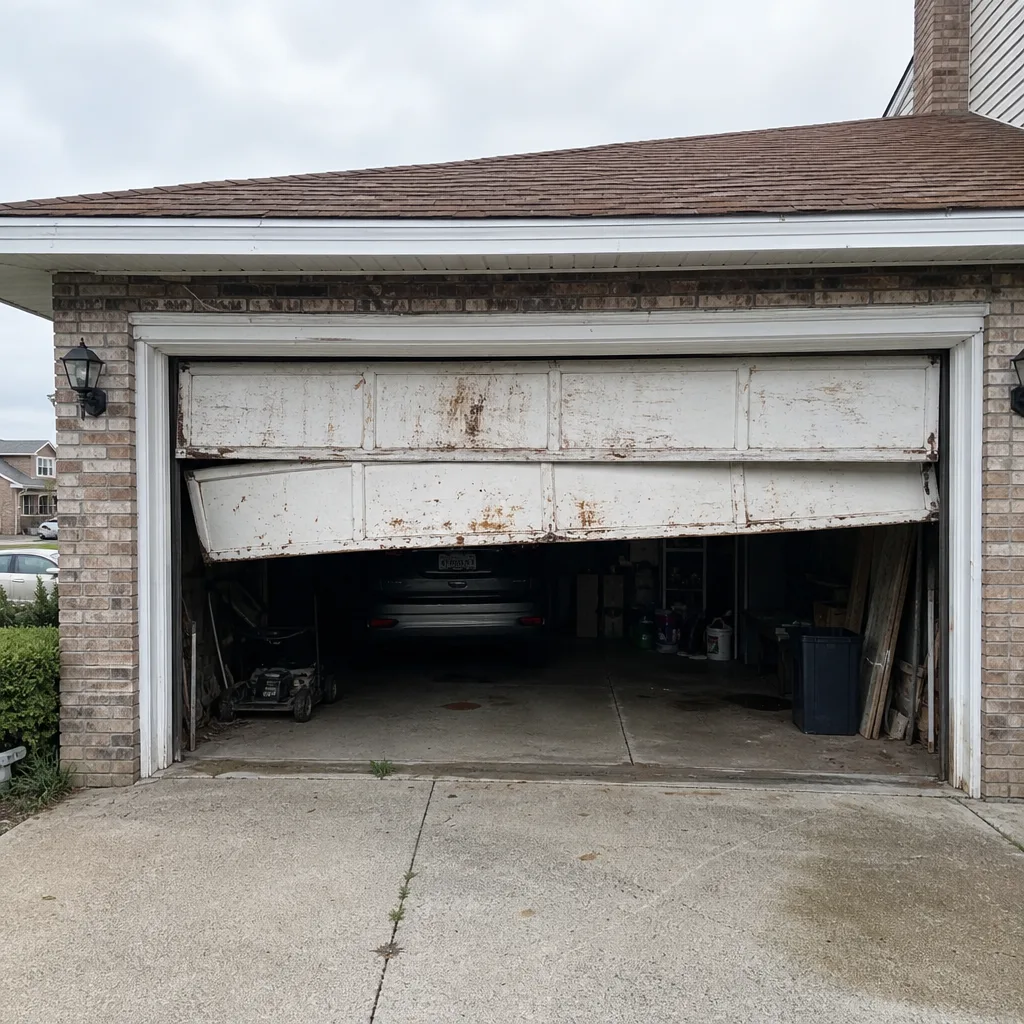 Before
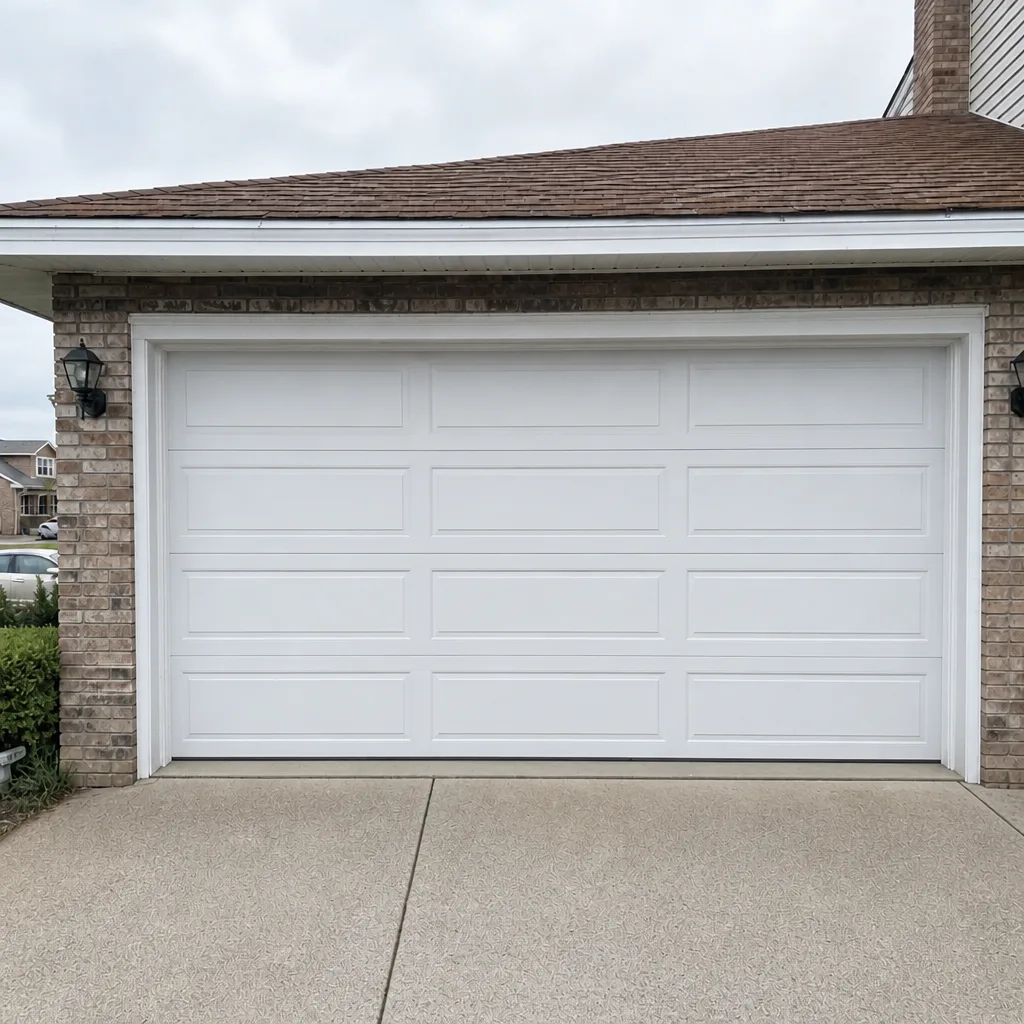 After
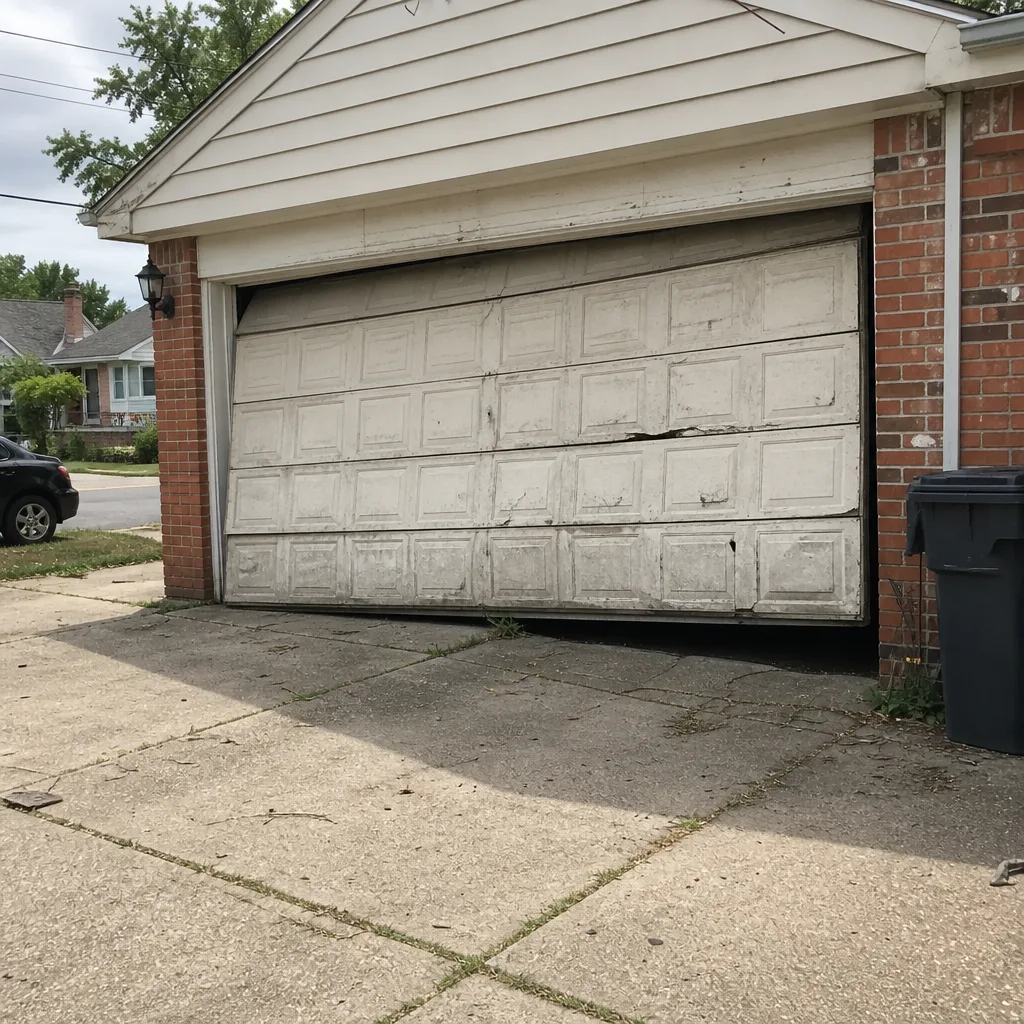 Before
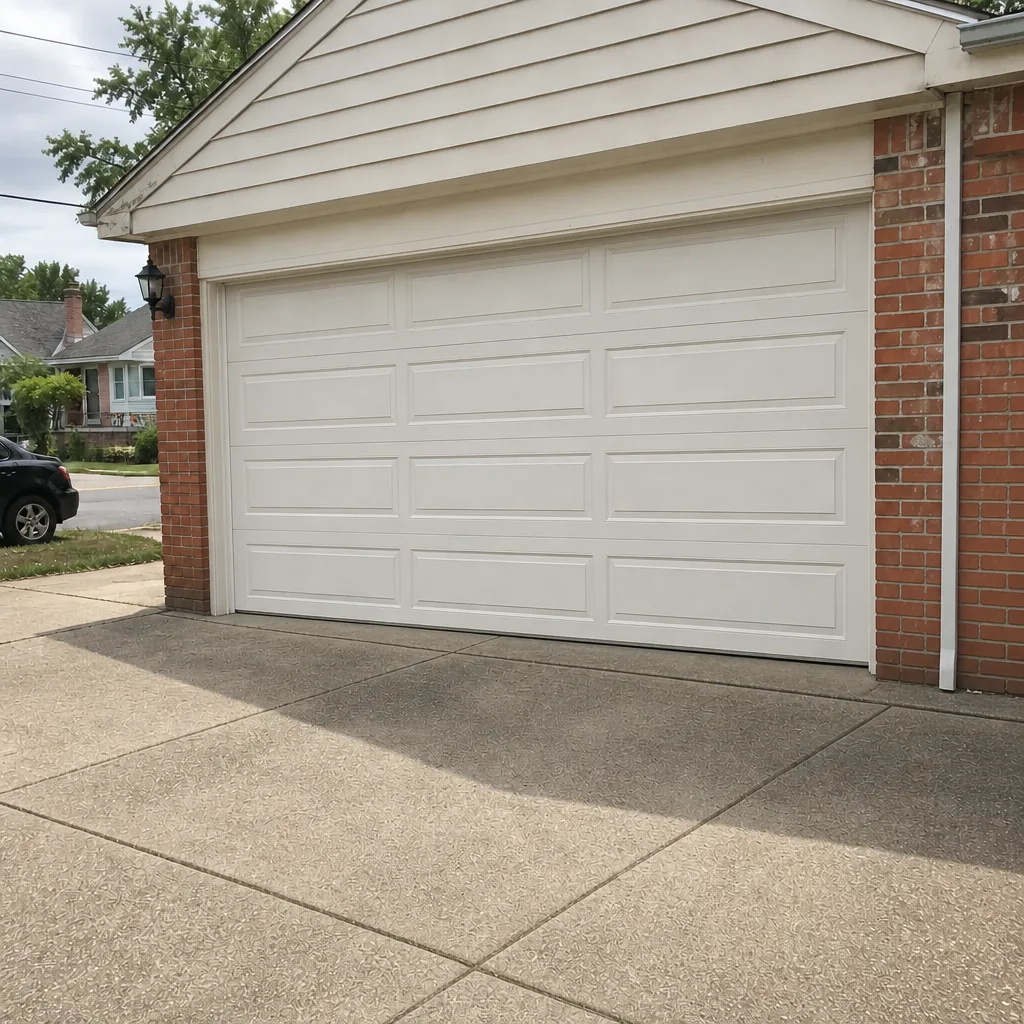 After
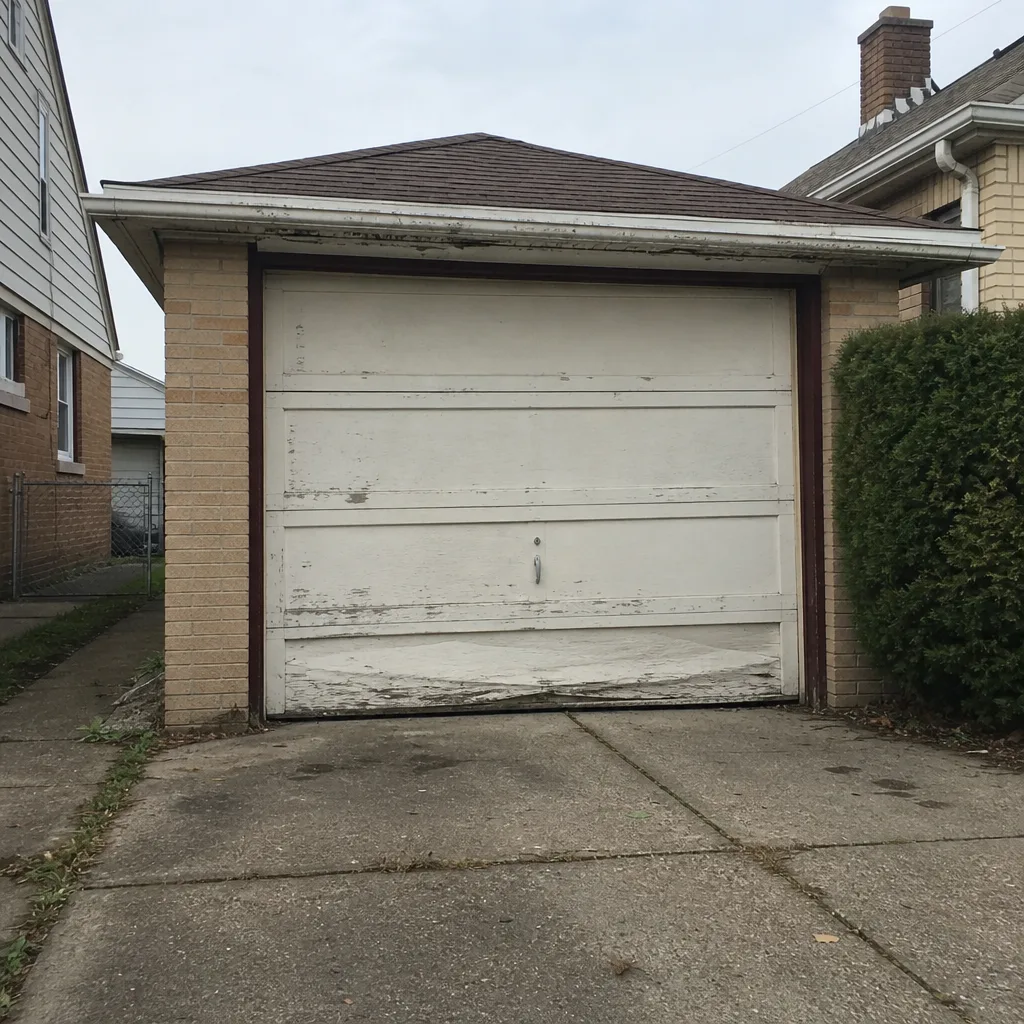 Before
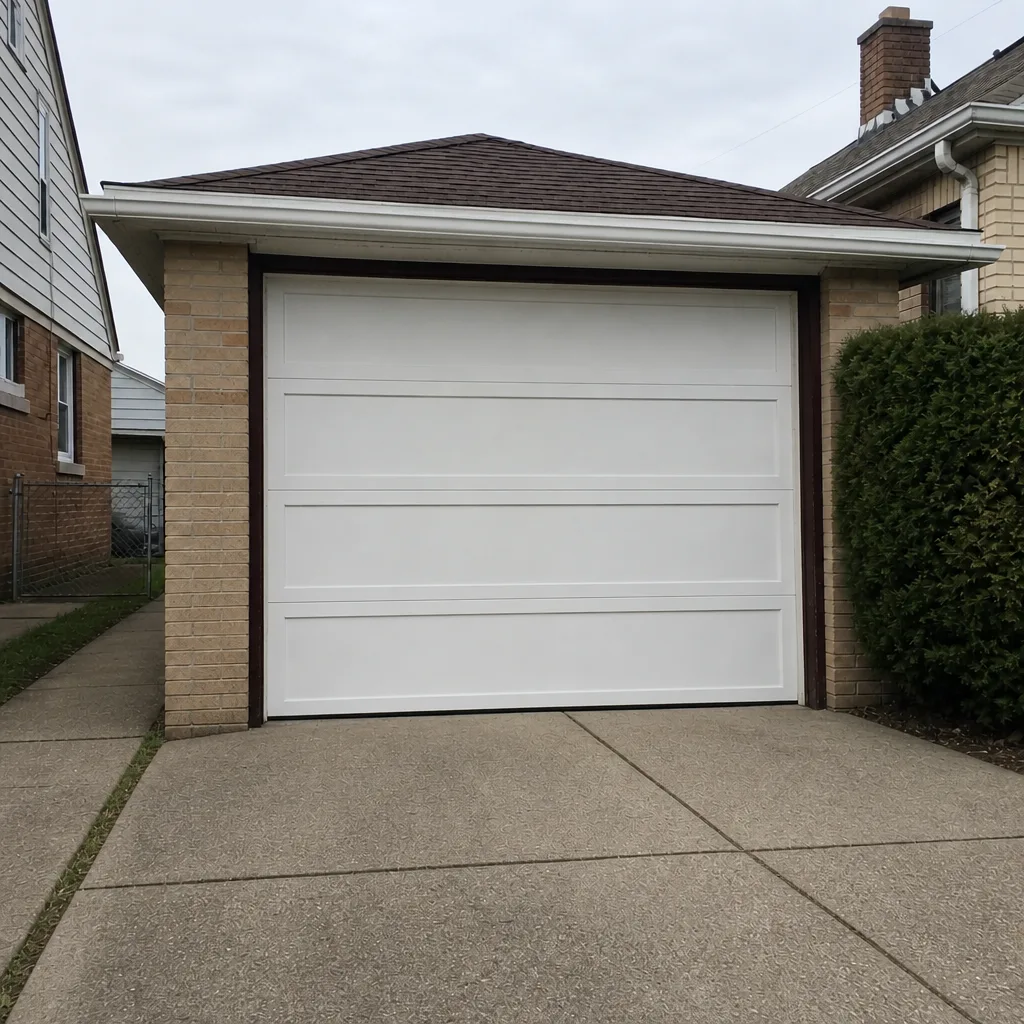 After
When to Call a Professional
Call a professional when the job involves a spring, a cable, a track that’s bent, or a door that’s come off its track. Call us if the door is heavy to lift by hand, if it slams or binds on the way down, if the opener runs but the door doesn’t move, or if you’re not sure which category a task falls into. These are the jobs where the risk changes the math. If you’re in Dearborn, Forthright Garage Door Repair offers free estimates across the city and the surrounding area. Our technicians work on eight major brands, including Craftsman, Raynor, LiftMaster, Chamberlain, Clopay, Amarr, Genie, and Wayne Dalton, so whatever door you already have, we can work on it. We answer (833) 454-5390 and offer fast dispatch from 7am to 7pm, Sunday through Friday. Call for a free estimate and a written price before any work starts. You can read more about Dearborn and how we work here.
Frequently Asked Questions
No. Replacing a torsion spring is not a safe DIY task at any skill level because the danger comes from stored mechanical energy, not from a lack of ability. A wound spring holds the weight of the door in tension, and the release during a slip or break is violent. Call a trained technician for spring work in Dearborn. Call (833) 454-5390 – estimates are free.
Weather seal replacement, lubrication of hinges and rollers, tightening loose hardware, safety sensor alignment, and remote programming are all reasonable DIY tasks with no stored-tension risk. A weather seal replaced before winter is the most valuable of these in Dearborn’s climate. If you’re not sure about a task, call and ask – we’ll tell you straight.
The price is set per job by the written estimate, and the estimate is free. A spring repair, a cable replacement, and a track straightening all involve different work and a different price. We quote the job before we start, and the written estimate is the price you pay. Call (833) 454-5390 for an exact quote – estimates are free.
It may, but policies commonly exclude faulty workmanship, and self-performed work can fall into that excluded category. The answer depends on your specific policy. Call your insurer before you do DIY work on anything beyond the safe category and ask whether your own work and a subsequent failure are covered. For high-risk tasks, a professional repair removes the question.
Most structural changes to a garage door or its supports require a permit, and the exact rule is set by the City of Dearborn’s building department. Call the department before you start anything structural and confirm. Cosmetic work like a weather seal or lubrication doesn’t need a permit.
For repair work, same-day service is often possible, and we offer fast dispatch from 7am to 7pm, Sunday through Friday. We answer 24/7, so a call outside dispatch hours is booked into the next opening. When you call, we’ll tell you what’s involved and what the written estimate is before any work starts.
The Bottom Line
The DIY vs professional question isn’t about whether you’re capable. It’s about which tasks carry stored energy, electrical risk, or the chance of a mistake that costs more than the repair. Weather seals, lubrication, sensor alignment, and hardware tightening are yours to handle, and we’ll say so. Springs, cables, tracks, and any door under tension belong with a trained technician, and that’s a physics answer, not a sales one. Document any DIY work you do before the next Wayne County sale, and call your insurer before the risky jobs. For the rest, Forthright Garage Door Repair offers free estimates in Dearborn. Call (833) 454-5390. We answer 24/7. Fast dispatch from 7am to 7pm, Sunday through Friday.
Written by the team at Forthright Garage Door Repair.